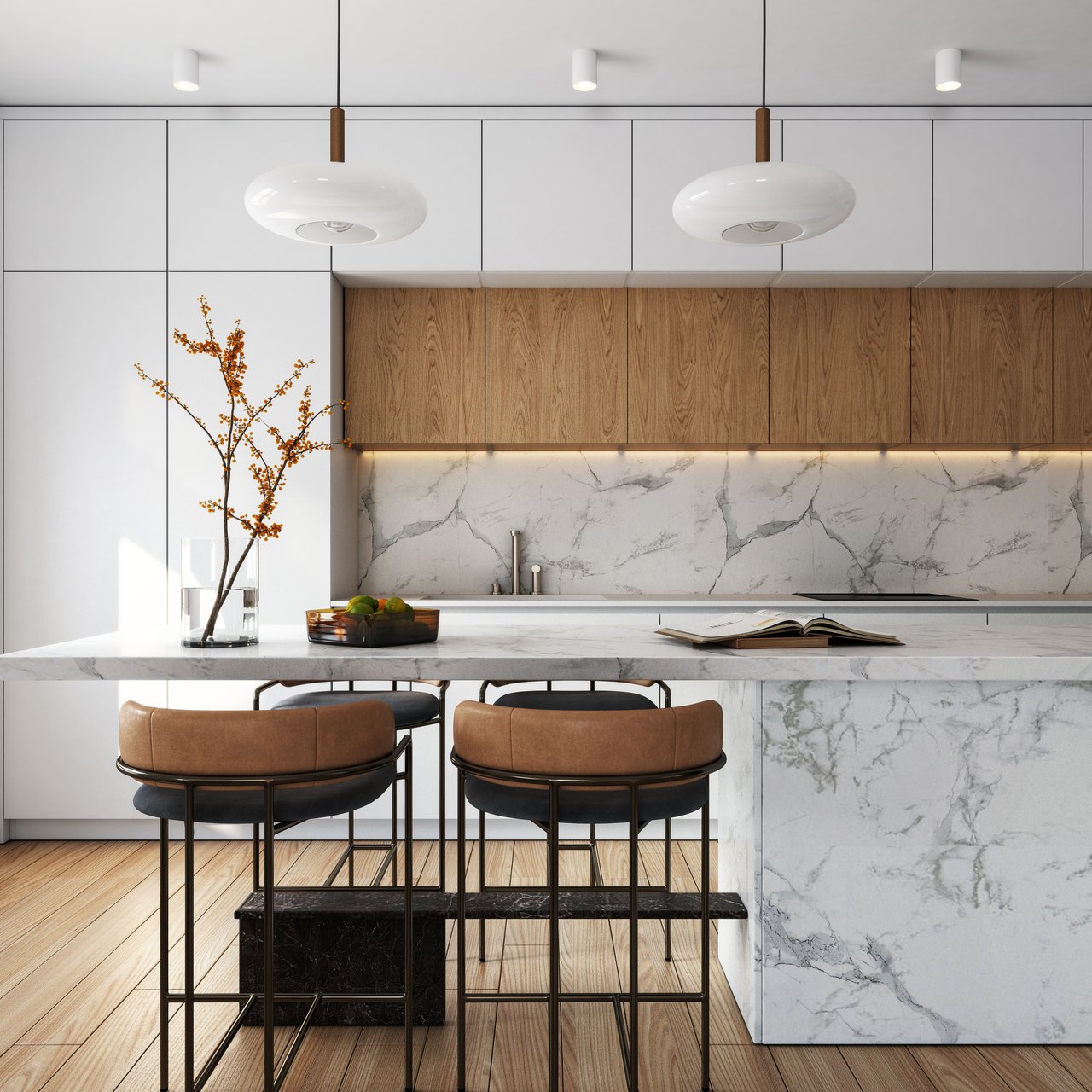

Should I renovate before selling?
It is one of the most important questions homeowners ask before listing.
At first, the answer may seem obvious. A more updated home should sell for more, right?
Sometimes, yes.
But not always.
In luxury real estate, renovation decisions are more nuanced. A thoughtful refresh can help a property photograph beautifully, attract stronger buyer interest, and reduce objections during showings. A poorly planned renovation, however, can waste money, delay the listing, and make the home feel less authentic to the buyers most likely to value it.
For luxury sellers in Greater Milwaukee, the right answer depends on the home, the neighborhood, the likely buyer, the timeline, and the current market.
A Mequon estate with dated finishes may need a different strategy than a Whitefish Bay historic home, a Fox Point lake-area property, a River Hills estate, an Elm Grove residence, or a downtown Milwaukee luxury condo.
The smartest approach is rarely “renovate everything.”
It is:
Prepare strategically. Invest selectively. Avoid over-improving.
Let’s look at when renovating before selling makes sense, when it does not, and how luxury sellers can make the strongest decision before going to market.
The Real Question Is Not Renovation. It Is Market Positioning.

Many sellers ask, “Should I renovate before selling?”
A better question is:
What needs to change for buyers to understand the value of this home?
That distinction matters.
A renovation is not automatically valuable just because it is expensive. Luxury buyers are highly selective, but they are not all looking for the same finishes, layouts, or design choices.
Some buyers want a move-in ready home.
Some want a property they can customize.
Some value historic detail more than modern finishes.
Some care more about land, privacy, or lake proximity than a newly renovated bathroom.
Some may replace the kitchen no matter how recently it was updated because they want their own design.
That is why pre-sale preparation should begin with buyer psychology, not contractor estimates.
Before spending heavily, sellers should ask:
Who is the likely buyer?
What will that buyer notice first?
What will make the home feel dated?
What could create buyer hesitation?
What repairs could affect inspection or financing?
What improvements will photograph well?
What updates will support pricing?
What work could delay the listing unnecessarily?
What changes are unlikely to return their cost?
Luxury buyers often pay premiums for homes that feel cared for, current, and easy to occupy. That does not mean every home needs a full renovation.
It means every home needs a clear strategy.
Renovation vs. Preparation: Know the Difference
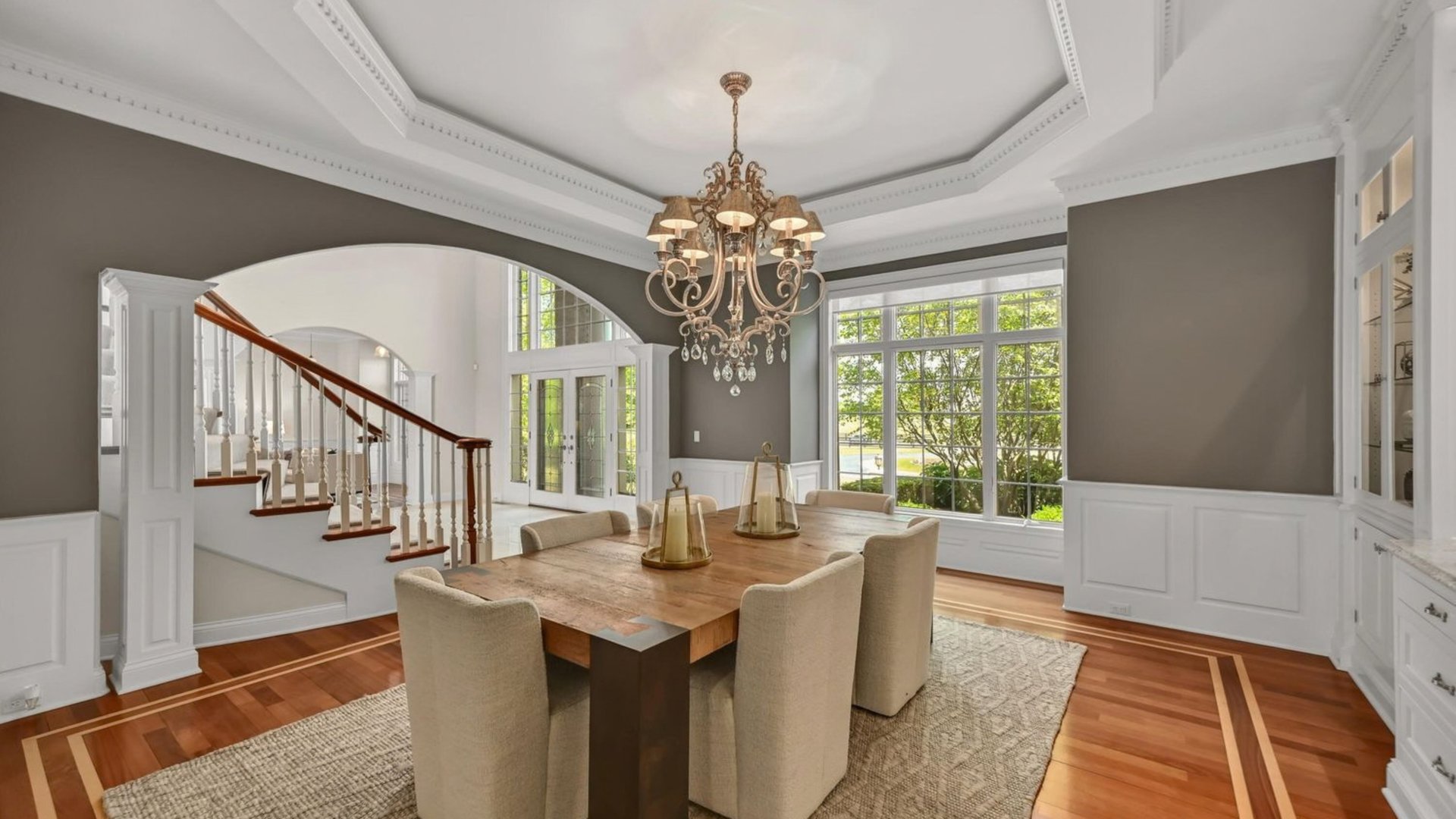
One of the biggest mistakes sellers make is confusing renovation with preparation.
They are not the same.
Renovation usually means larger improvements, such as remodeling a kitchen, redesigning bathrooms, replacing flooring, updating systems, or changing layouts.
Preparation usually means improving presentation and marketability without dramatically changing the home.
Preparation may include:
Decluttering
Deep cleaning
Fresh paint
Minor repairs
Landscape cleanup
Lighting updates
Hardware updates
Professional staging
Window cleaning
Carpet cleaning
Exterior touchups
Pre-listing inspections
Organizing closets and storage
Removing overly personal decor
For many luxury sellers, preparation creates a stronger return than major renovation.
NAR’s article on remodeling before selling explains that smaller, market-focused updates can often make a meaningful difference in buyer response without requiring a full remodel.
This is especially true if the home already has strong fundamentals.
A great location, strong architecture, quality construction, privacy, natural light, and good layout may only need polishing.
Not rebuilding.
Quick Guide: Renovate, Refresh, or Sell As-Is?
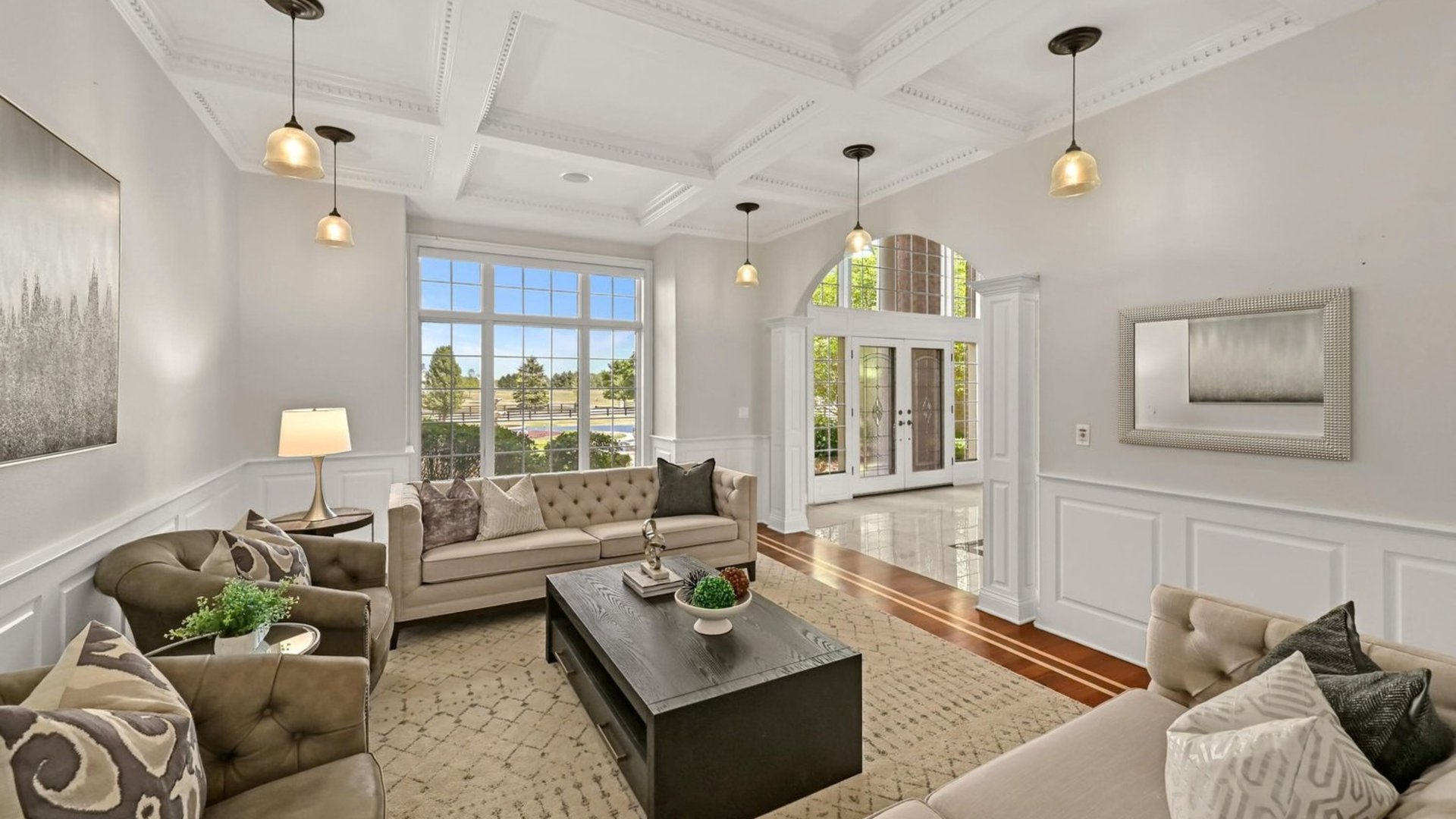
This table is not a rulebook.
It is a starting point.
The best decision depends on the property and the buyer pool.
When Renovating Before Selling Makes Sense
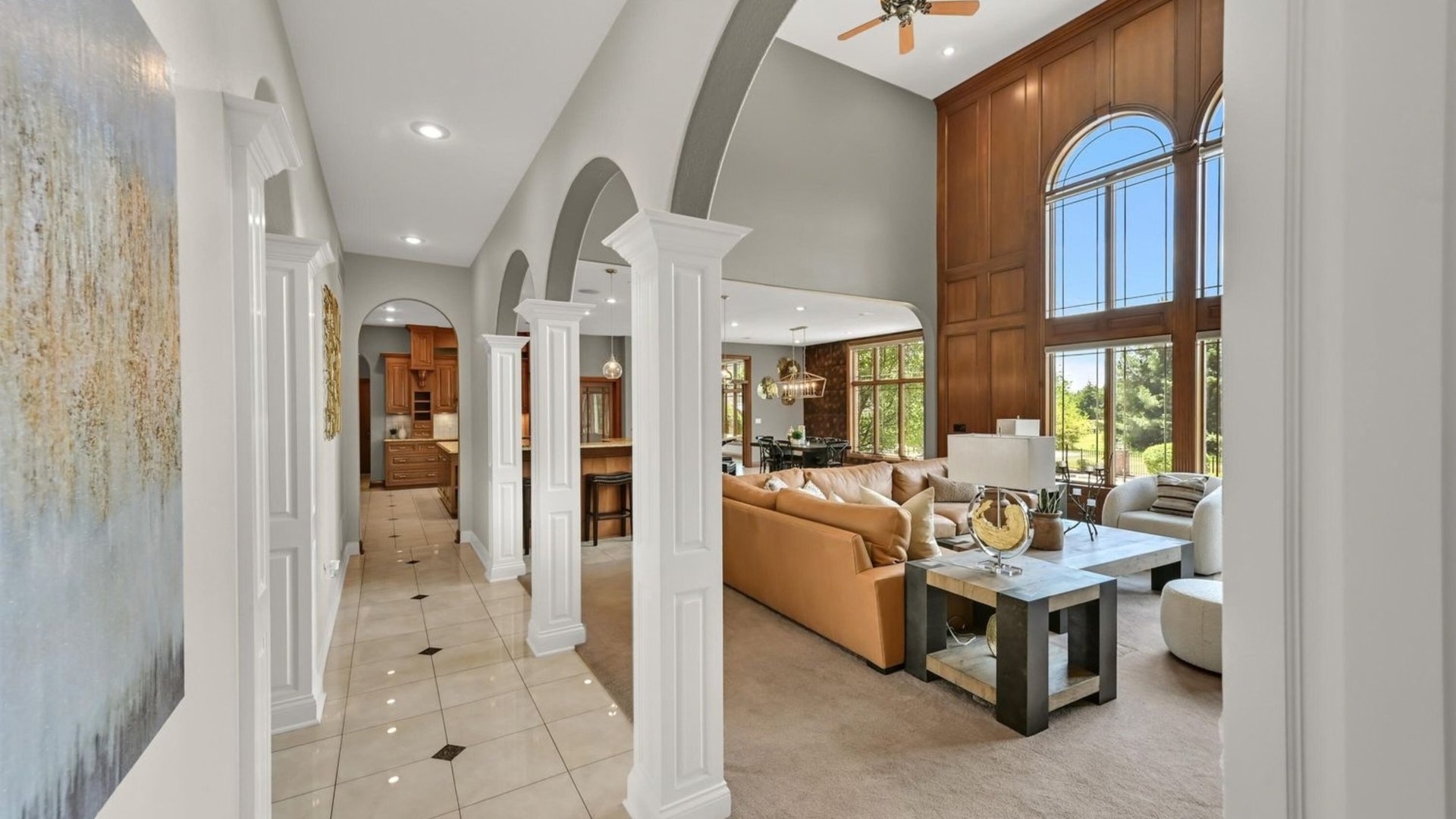
Renovation can make sense when the work directly removes buyer objections or helps the home compete with similar luxury properties.
This is especially true when a home is in a desirable neighborhood but feels meaningfully behind buyer expectations.
A renovation may be worth considering if:
The kitchen is severely dated
Bathrooms feel worn or neglected
Flooring is damaged or inconsistent
The roof or mechanical systems need attention
Exterior maintenance affects curb appeal
Lighting makes the home feel dark
The layout feels confusing but can be improved simply
Paint colors are highly personalized
Outdoor spaces feel neglected
The home will compete against turnkey luxury listings
In neighborhoods where buyers expect a certain standard, condition matters.
For example, sellers in Mequon, Whitefish Bay, Fox Point, River Hills, Bayside, Elm Grove, Shorewood, and the East Side often compete for buyers who are comparing not only location, but readiness.
The Sewart Group’s Mequon Luxury Market Update notes that pricing, presentation, and understanding local supply and demand dynamics are especially important in high-end markets.
That same principle applies across Greater Milwaukee.
If the home’s condition weakens its position against comparable listings, selective renovation may help.
When Renovating Before Selling Does Not Make Sense
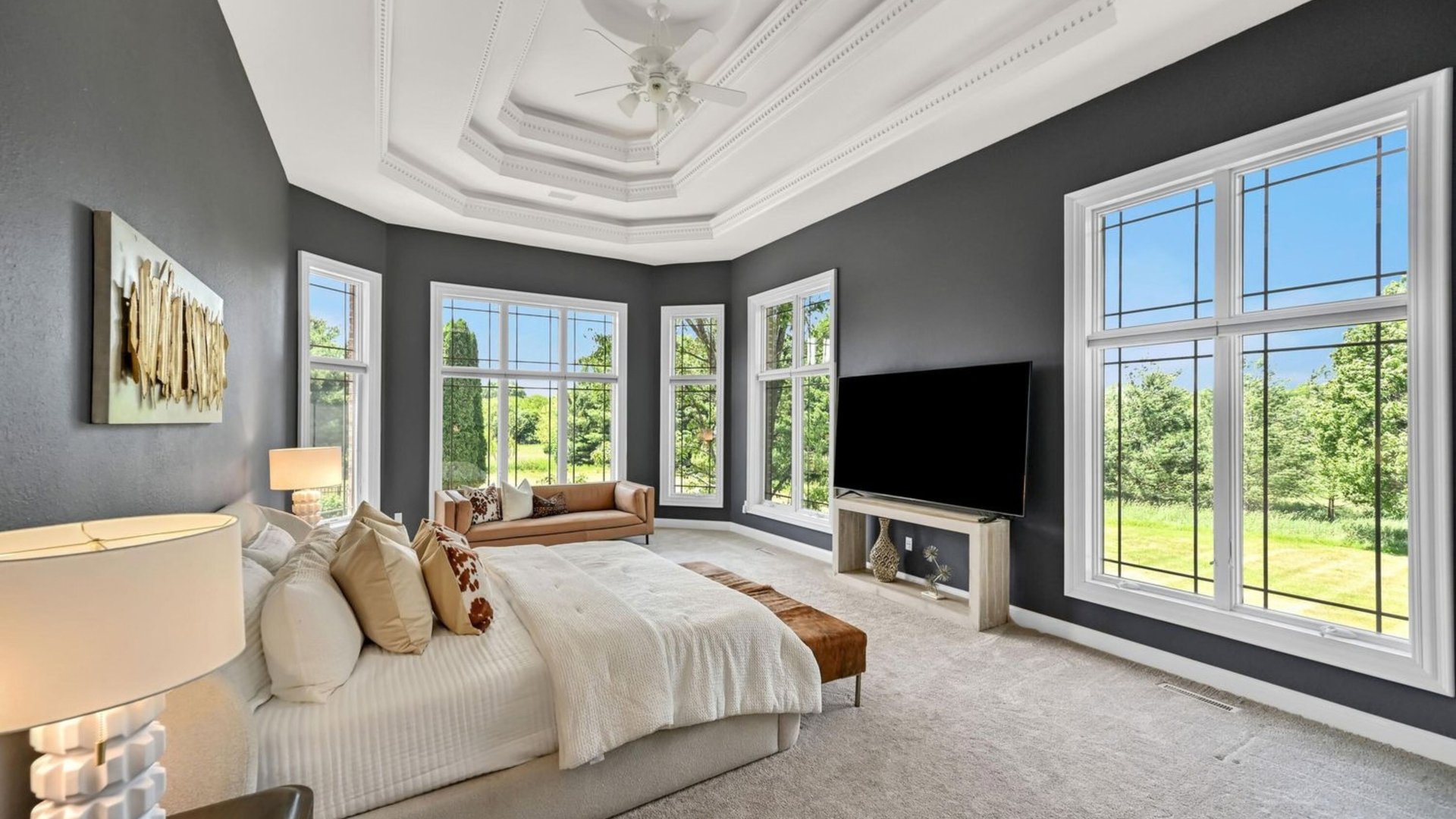
Renovation does not make sense when the work is too expensive, too personal, too slow, or unlikely to influence the final sale price enough to justify the investment.
This is where luxury sellers need discipline.
It can be tempting to think, “If we just redo the kitchen, the house will sell for much more.”
Maybe.
But maybe not.
A major kitchen renovation may take months, cost significantly more than expected, and still not match the next buyer’s taste.
A buyer may prefer a warmer traditional design.
Another may want sleek modern minimalism.
Another may plan to reconfigure the home entirely.
Sellers should be careful with:
Full kitchen gut renovations
Major bathroom redesigns
Luxury finishes chosen by personal taste
Removing historic details
Adding highly specific amenities
Large additions
Pool installation
Major landscape redesigns
Structural changes
Expensive smart home systems that may become outdated
Trend-heavy design choices
The 2026 Cost vs. Value remodeling data is useful because it reminds sellers that project cost and resale value are not always the same thing. Some improvements may improve enjoyment, but not fully recover their cost at sale.
Before starting any major work, sellers should ask:
Will this improvement help the next buyer pay more, or will it simply reflect my own preferences?
That question can save a lot of money.
The Highest-Impact Pre-Sale Improvements

For many luxury homes, the best improvements are not the largest.
They are the ones that improve first impressions.
High-impact pre-sale updates often include:
Fresh neutral paint
Updated lighting
Refinished hardwood floors
Professional deep cleaning
Landscape cleanup
Mulch and seasonal planting
Minor exterior repairs
Roof or gutter repairs
Window cleaning
Updated cabinet hardware
Updated faucets
Carpet replacement where needed
Power washing
Fireplace cleaning
Closet organization
Garage cleanup
Staging key rooms
These updates help buyers feel the home has been well maintained.
They also improve photography and showing experience.
NAR’s report on 12 remodeling projects that offer the best value at resale notes that painting, roofing when needed, and smaller market-focused projects are often among the improvements agents recommend before listing.
Luxury buyers may be willing to customize a home after closing, but they still want confidence.
Visible neglect creates doubt.
A clean, polished, well-presented home creates trust.
Kitchens: Update Carefully, Do Not Overdo It
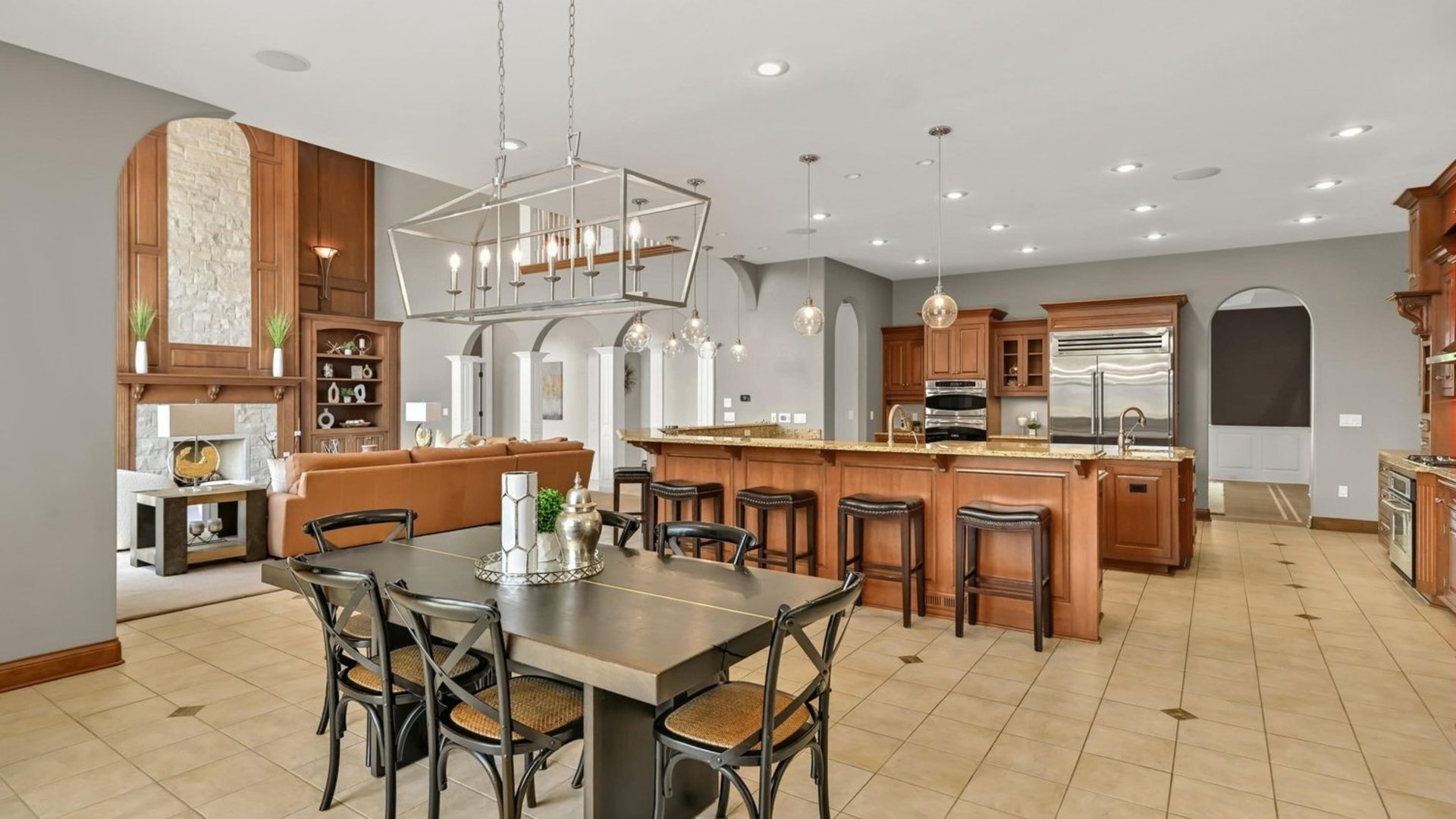
Kitchens matter.
There is no question about that.
A dated kitchen can hold back a luxury listing, especially if competing homes have bright, open, functional kitchens with quality appliances and strong storage.
But a full kitchen renovation before selling is not always the right move.
Instead, sellers should evaluate the kitchen honestly.
Does it need a full remodel?
Or does it need better presentation?
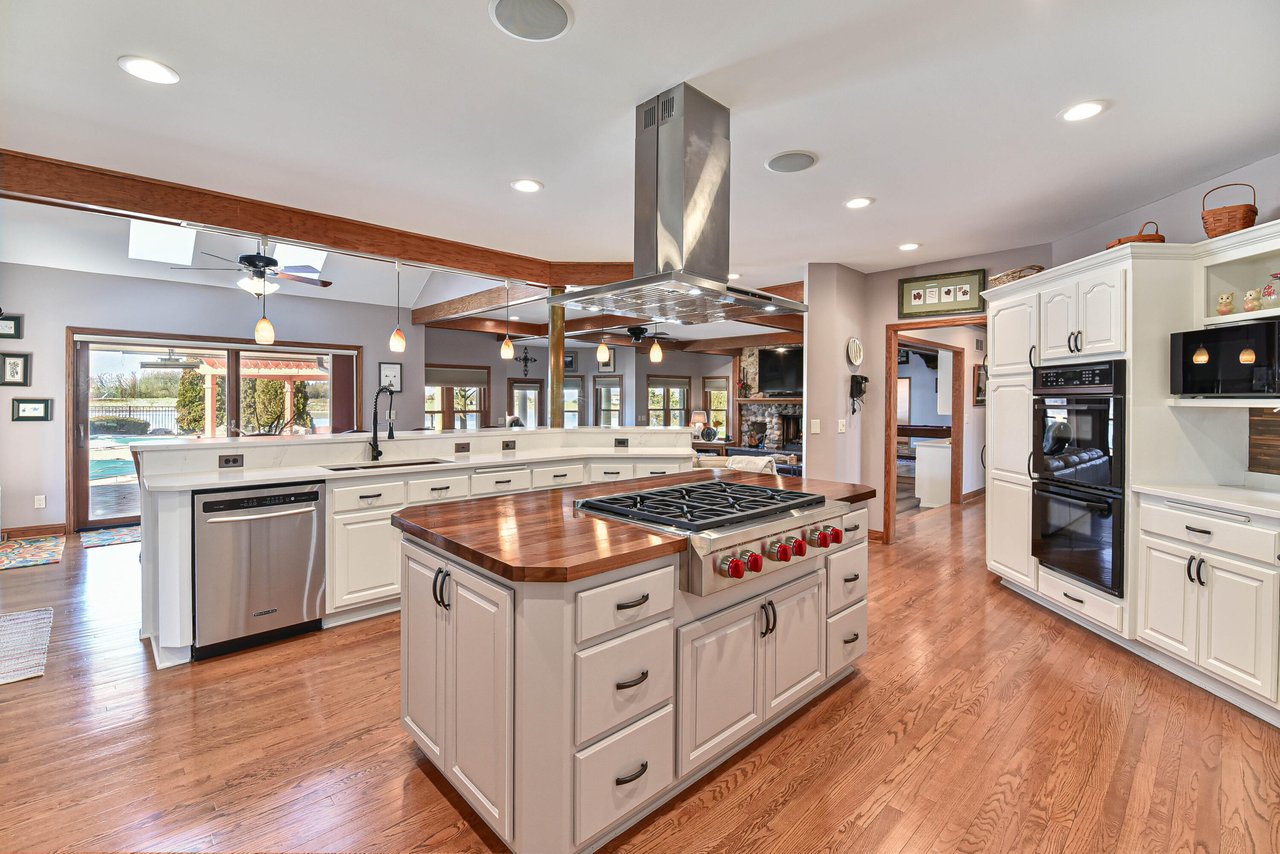
A kitchen may benefit from:
Cabinet painting
Updated hardware
New lighting
Fresh backsplash
Countertop replacement
Appliance servicing
Faucet replacement
Pantry organization
Paint touchups
Professional cleaning
Styling for photography
If the kitchen layout is strong and the cabinetry is quality, a targeted refresh may be enough.
If the kitchen is deeply outdated, poorly laid out, or inconsistent with the home’s price point, a larger update may be worth discussing.
Recent real estate commentary from House Beautiful also reinforces how strongly kitchens influence buyer perception, while noting that sellers do not always need a full gut renovation before listing.
For luxury sellers, the goal is not to create your dream kitchen.
It is to make buyers feel confident that the home is worth serious consideration.
Bathrooms: Clean, Current, and Calm Usually Wins
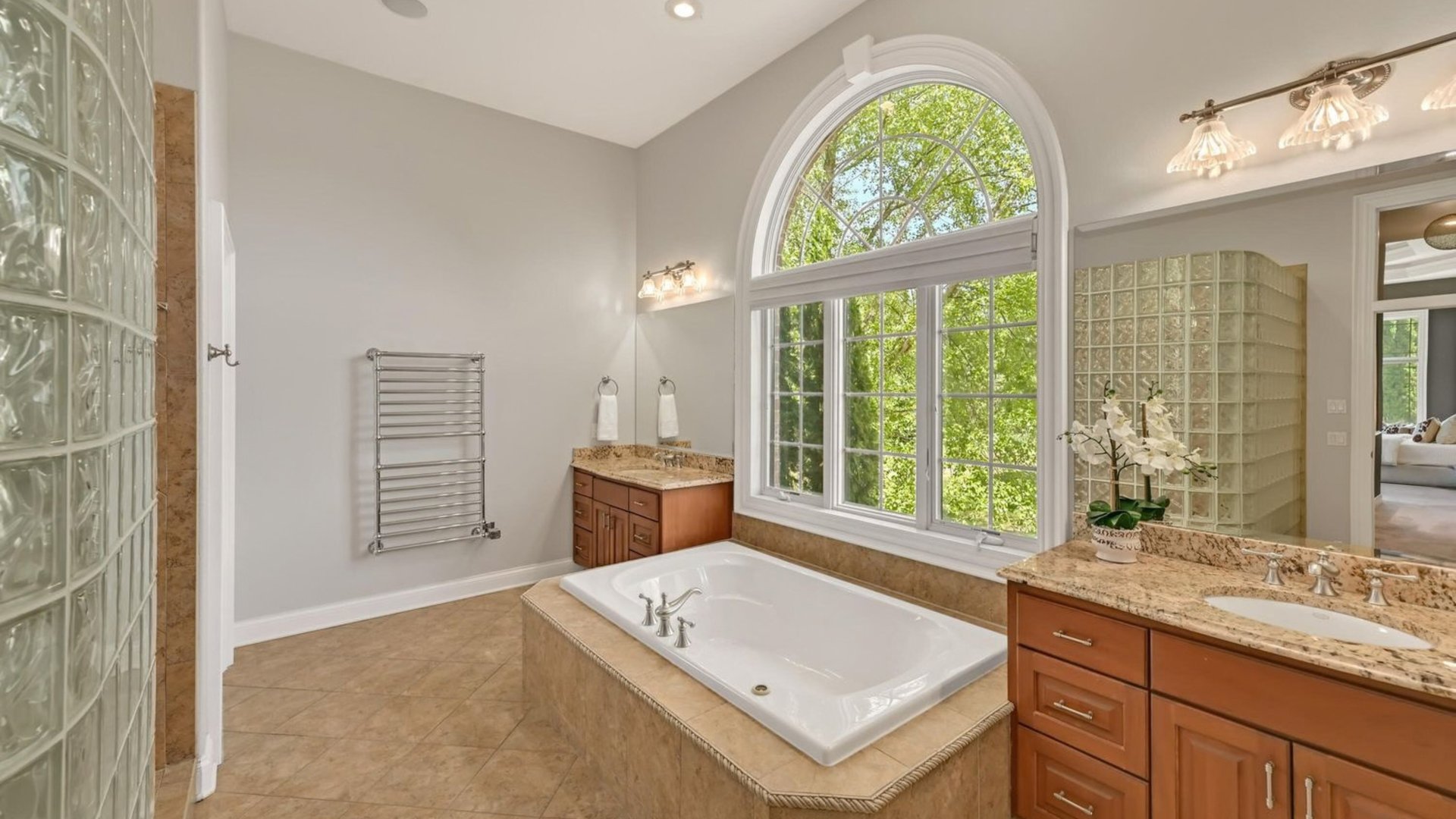
Bathrooms are another area where sellers often wonder how much to spend.
Luxury buyers notice bathrooms quickly.
They notice old tile.
They notice worn grout.
They notice dated vanities.
They notice poor lighting.
They notice tired fixtures.
But again, full renovation is not always necessary.
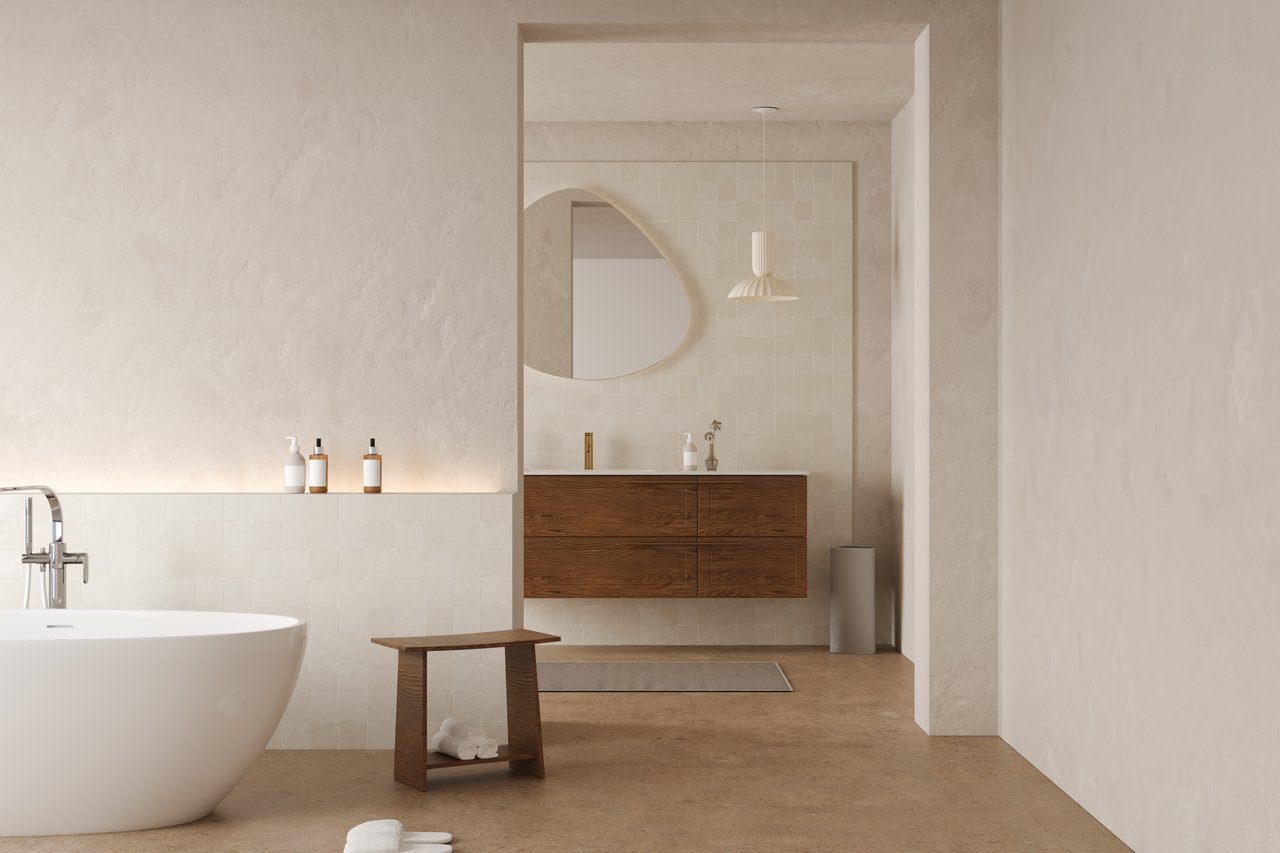
A bathroom may be improved with:
New mirrors
Updated lighting
Fresh paint
Grout cleaning
Caulk replacement
New faucets
Vanity hardware
Updated towel bars
Professional cleaning
New shower glass
Better styling
Neutral accessories
These smaller changes can make a bathroom feel cleaner and more current without requiring a complete remodel.
A full bathroom renovation may make sense if the space is damaged, highly dated, or far below the expectations of the home’s likely buyer.
But if the bathroom is functional and neutral, polishing may be better than rebuilding.
The goal is to reduce objections.
Not create unnecessary delay.
Outdoor Living Can Strongly Influence Luxury Buyers

Outdoor living matters in Milwaukee’s luxury market.
Buyers often value patios, gardens, terraces, pools, screened porches, fire pits, outdoor kitchens, lake views, wooded privacy, and well-designed entertaining spaces.
This does not mean sellers should install a major outdoor kitchen before listing.
It does mean outdoor spaces should feel intentional, clean, and usable.
Before listing, sellers may consider:
Trimming trees and shrubs
Refreshing mulch
Repairing patios or walkways
Cleaning outdoor furniture
Power washing decks and terraces
Adding seasonal planters
Improving exterior lighting
Cleaning pool areas
Staging outdoor seating
Removing clutter
Repairing fencing or gates
In luxury real estate, outdoor areas are part of the living experience.
A neglected patio can make the home feel less valuable.
A beautifully prepared outdoor space can help buyers imagine family dinners, summer evenings, entertaining, and quiet mornings.
For lake-area, golf-course, and estate properties, this can be especially powerful.
Historic Homes Need a Lighter Touch
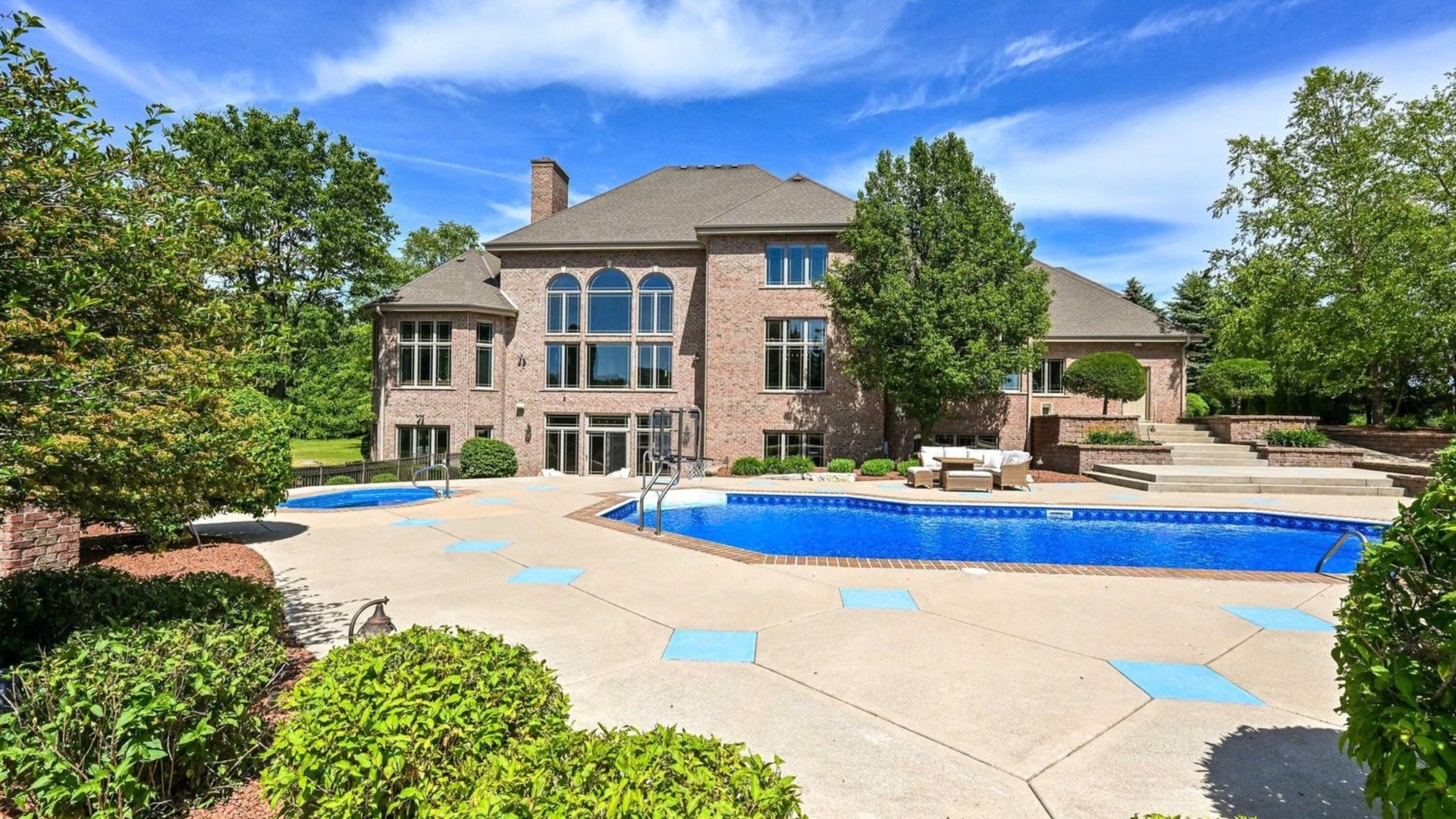
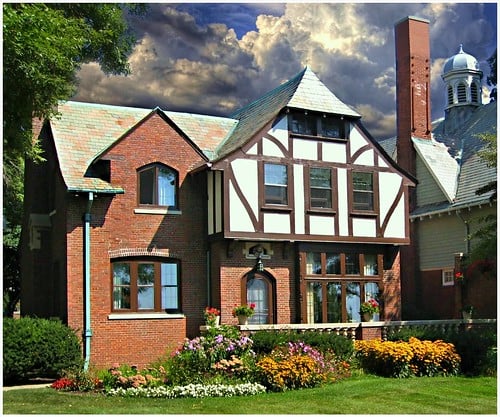
Many luxury homes around Milwaukee have architectural character.
Whitefish Bay, Shorewood, the East Side, Lake Drive, Wauwatosa, and parts of Fox Point include homes where history is part of the value.
Sellers should be careful not to strip away charm in an attempt to modernize.
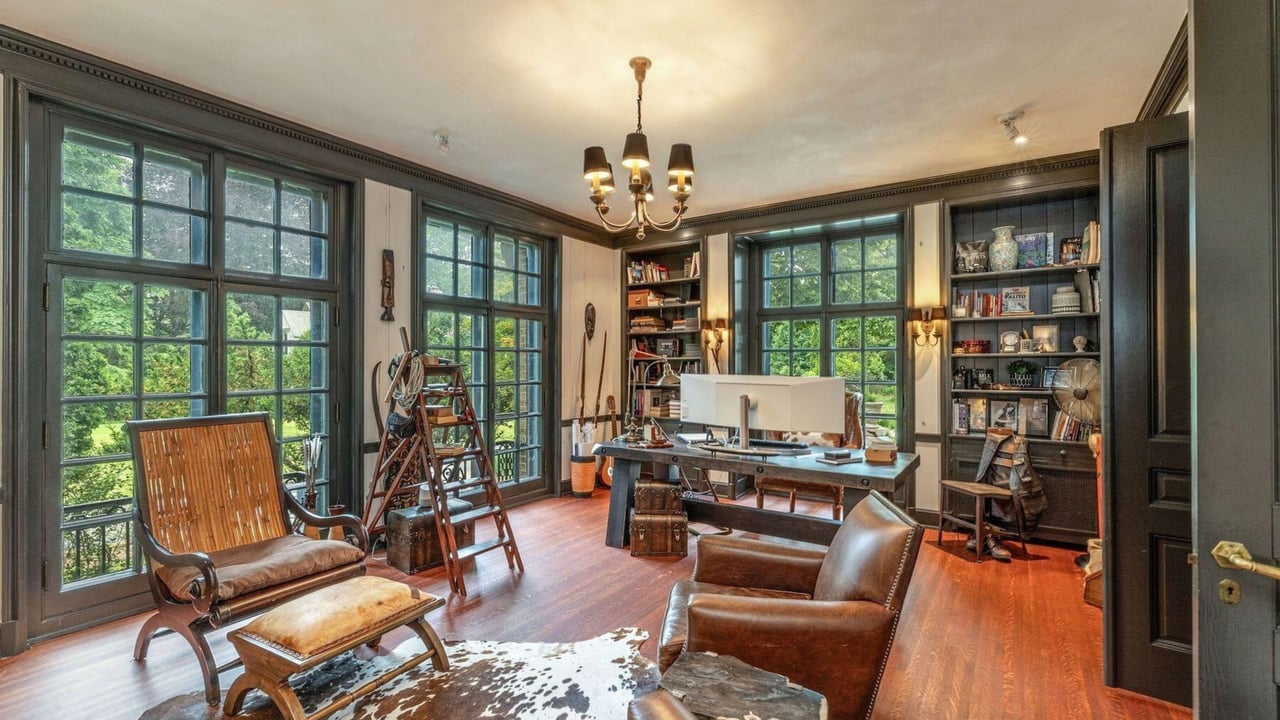
Luxury buyers may value:
Original millwork
Stone fireplaces
Leaded glass
Historic staircases
Arched doorways
Built-ins
Mature landscaping
Classic facades
Period details
Traditional floor plans with thoughtful updates
In these homes, renovation should respect the property’s identity.
A careless modern update can weaken the very thing that makes the home special.
A better strategy may be to improve function while preserving character.
That could mean updated lighting, refreshed paint, better staging, repaired flooring, improved landscaping, and professional photography that highlights architectural details.
The question should be:
How do we make this home feel current without erasing what makes it distinctive?
Luxury Sellers Should Avoid Trend-Driven Renovations
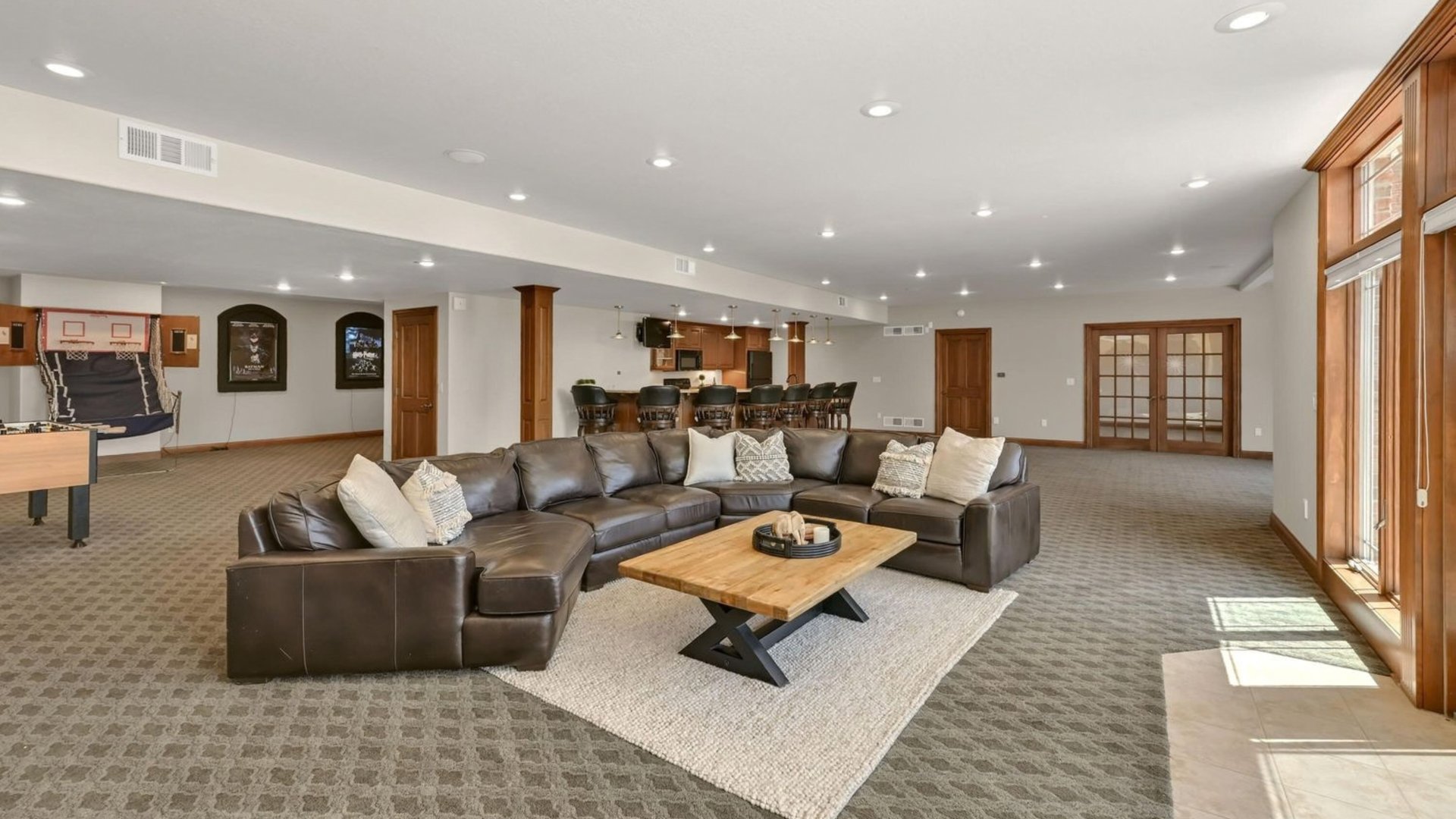
Trends can be risky before selling.
A seller may love a certain tile, cabinet color, wallpaper, lighting style, or dramatic finish.
But the next buyer may not.
The more expensive and permanent the trend, the more cautious sellers should be.
Avoid over-investing in:
Bold cabinet colors
Highly patterned tile
Statement wallpaper throughout the home
Ultra-specific lighting fixtures
Unusual flooring
Themed rooms
Highly personalized built-ins
Custom wine walls that dominate the space
Overly modern finishes in traditional homes
Overly traditional finishes in modern homes
This does not mean every home should be plain.
Luxury buyers still respond to character.
But pre-sale updates should have broad appeal.
They should make the home feel elevated, not polarizing.
When in doubt, choose quality, restraint, and consistency.
Repairs Usually Matter More Than Cosmetic Upgrades

Some sellers want to spend money on visible upgrades while ignoring less exciting repairs.
That can be a mistake.
Buyers may admire the new lighting, but inspection issues can still create hesitation.
Before investing in cosmetic improvements, sellers should review:
Roof condition
Foundation concerns
Water intrusion
HVAC systems
Plumbing
Electrical systems
Windows
Chimneys
Drainage
Gutters
Exterior wood rot
Pool systems
Septic or well systems, if applicable
Radon mitigation, if needed
Luxury buyers may be willing to pay a premium, but they still expect quality.
A beautiful home with unresolved maintenance concerns can invite renegotiation after inspection.
A well-maintained home gives buyers more confidence.
That confidence can influence both offer strength and closing certainty.
Staging May Be Better Than Renovating
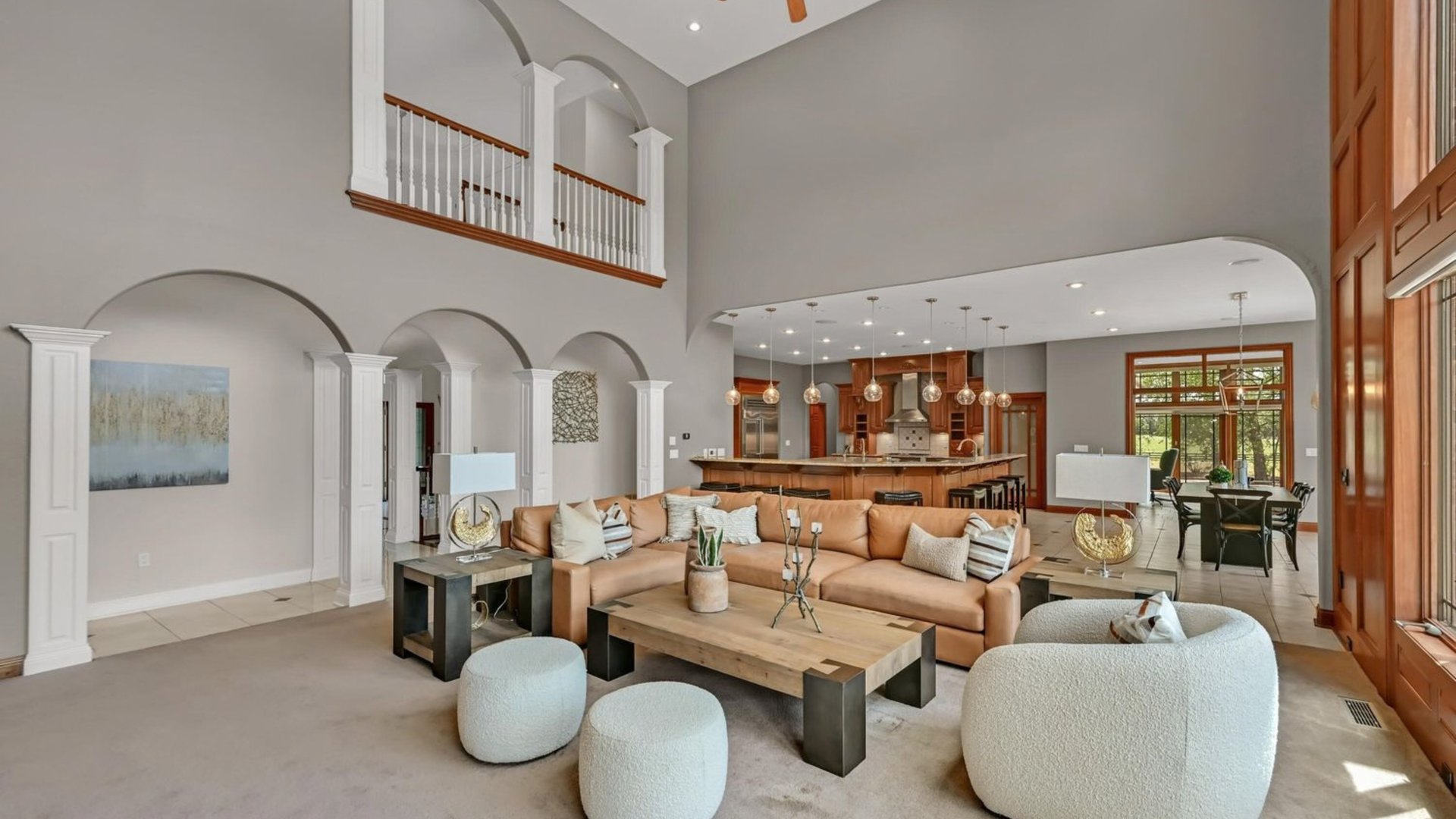
Professional staging can sometimes do what renovation cannot.
It helps buyers understand scale, flow, purpose, and emotional appeal.
This is especially important in luxury homes, where large rooms can feel cold if empty and highly personalized rooms can distract buyers.
Staging can help:
Define awkward spaces
Make rooms feel larger
Highlight natural light
Create emotional connection
Improve photography
Make formal rooms feel useful
Modernize the home visually
Reduce the impact of dated elements
Help buyers imagine living there
The Sewart Group’s article on why a home may take longer to sell points to presentation, staging, pricing, and small upgrades as practical ways to improve market response.
For luxury sellers, this is important.
A home may not need a renovation.
It may need better storytelling.
Staging, lighting, photography, and presentation can dramatically change how buyers perceive the property.
The Role of Pre-Listing Inspections

Pre-listing inspections can be useful for luxury sellers.
They help identify issues before buyers do.
This can be especially important for older homes, estate properties, lake-area homes, homes with pools, or properties with complex systems.
A pre-listing inspection may help sellers:
Discover repair needs early
Decide what to fix before listing
Reduce inspection surprises
Support buyer confidence
Improve negotiation position
Prepare documentation
Avoid last-minute delays
Not every seller needs every inspection.
But some properties may benefit from roof evaluations, chimney inspections, sewer lateral inspections, pool inspections, radon testing, HVAC servicing, or structural reviews.
The decision should be strategic.
The goal is not to create unnecessary work.
It is to control the conversation before the buyer does.
Neighborhood Expectations Matter
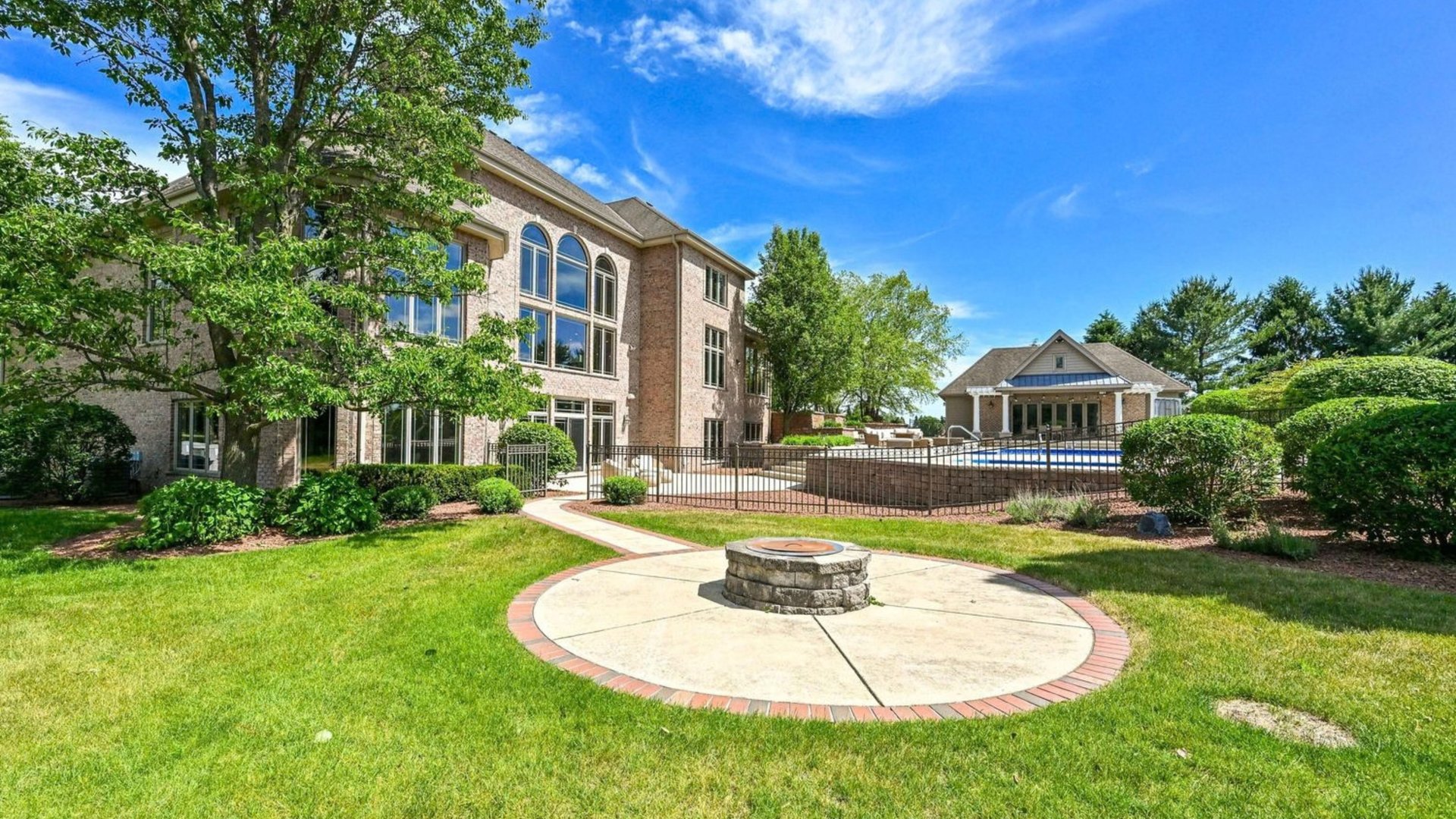
Renovation decisions should be based on the local market.
A buyer in Mequon may value space, privacy, outdoor living, and updated family functionality.
A buyer in Whitefish Bay may value classic architecture with modern kitchen and bath updates.
A buyer in Shorewood may value walkability, charm, and smart use of space.
A buyer in River Hills may value acreage, privacy, and estate-quality maintenance.
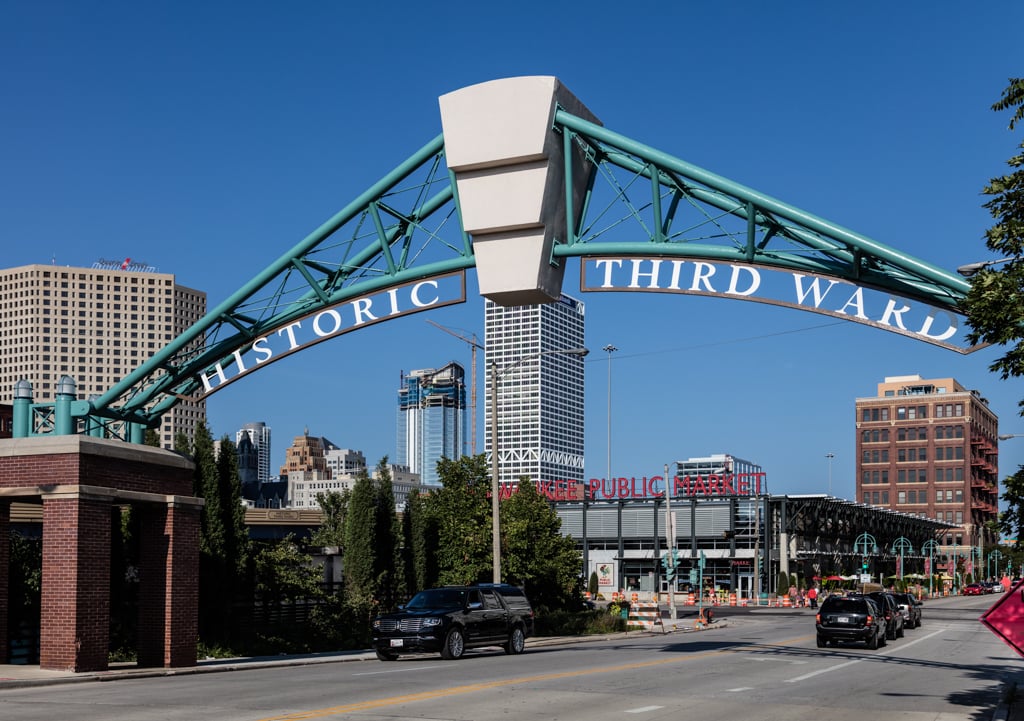
A buyer in the Historic Third Ward may value views, building amenities, finishes, and low-maintenance living.
That means the same improvement may matter differently depending on the neighborhood.
The best renovation plan should fit the likely buyer’s expectations.
Not the seller’s personal wish list.
When Selling As-Is May Be the Better Strategy
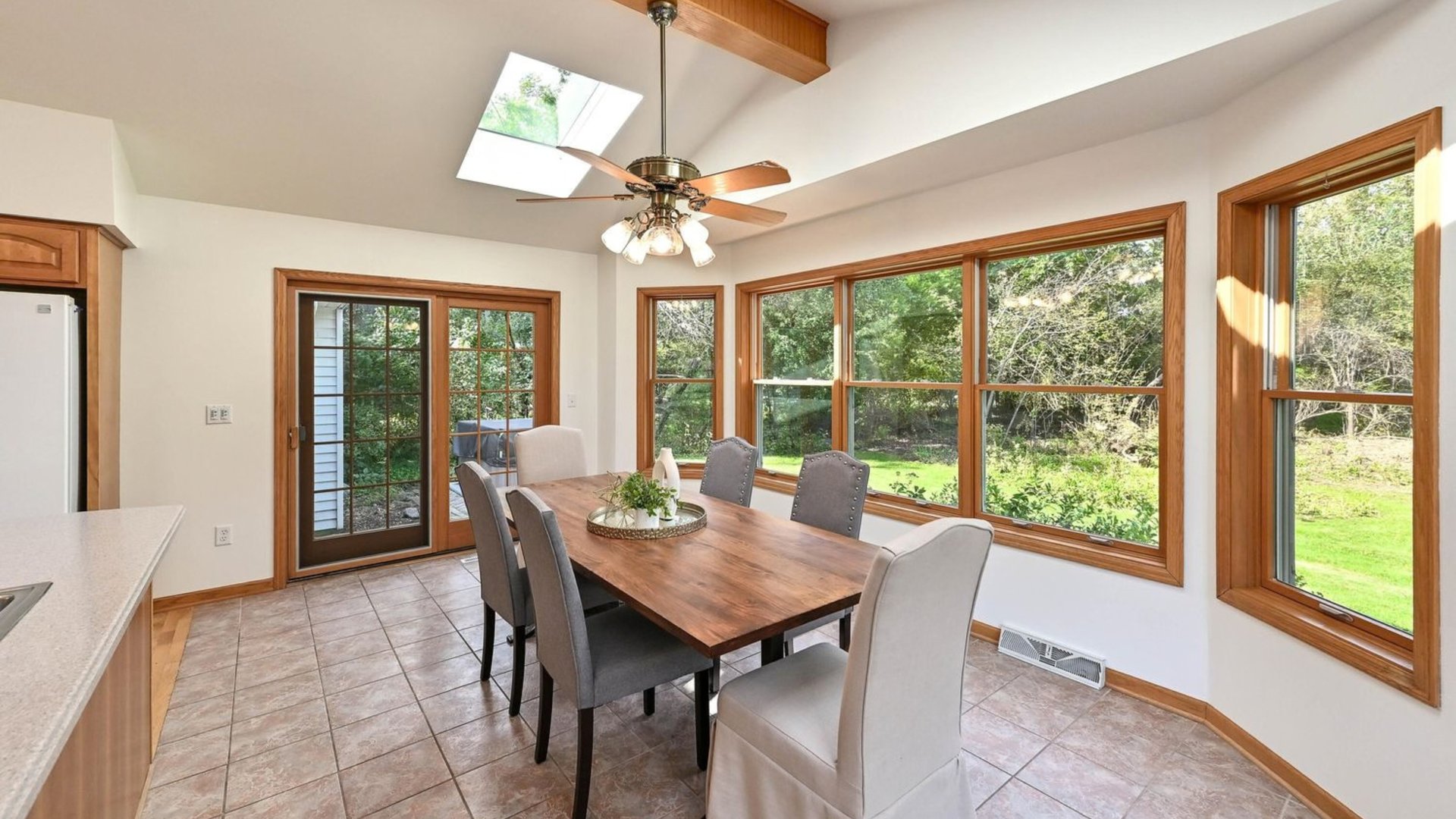
Sometimes selling as-is is the right decision.
This may be true when:
The seller has a tight timeline
The home needs major renovation anyway
The property value is mostly in the land or location
The seller is handling an estate
The home is highly customized
The likely buyer will redesign the home
Renovation costs are too uncertain
Contractor availability is limited
A renovation would delay the sale into a weaker timing window
Selling as-is does not mean presenting the home poorly.
Even an as-is home should usually be cleaned, decluttered, photographed well, and priced correctly.
The difference is that the seller is choosing not to complete major updates before listing.
That can be a smart strategy when buyers will want to make their own changes or when the seller’s investment would not return enough value.
A Practical Decision Framework

Before renovating, luxury sellers should ask:
This framework keeps sellers focused.
The goal is not to make the home perfect.
The goal is to make it market-ready.
What Sellers Should Do First

Before calling a contractor, sellers should start with a strategic walkthrough.
A strong pre-sale walkthrough should evaluate:
First impression
Exterior condition
Landscaping
Entry experience
Natural light
Kitchen condition
Bathroom condition
Flooring
Paint
Lighting
Room flow
Storage
Smells or moisture concerns
Mechanical systems
Outdoor living spaces
Photography angles
Buyer objections
Pricing implications
This should happen before major money is spent.
The Sewart Group’s Preferred Partner Program highlights the value of strategic pre-sale planning, professional staging, photography, and a comprehensive marketing plan for sellers.
For luxury homeowners, this matters because the wrong improvement can cost more than it returns.
The right improvement can make the home feel meaningfully more valuable.
Why Pricing Still Matters More Than Renovation

Even the best renovation cannot fix an incorrect price.
Luxury buyers are selective.
They are often comparing multiple communities, property types, and lifestyle options.
If a home is overpriced, renovation alone may not overcome buyer resistance.
Pricing strategy should reflect:
Location
Condition
Recent comparable sales
Buyer demand
Inventory
Updates
Lot quality
Architecture
Privacy
View or setting
Market timing
Competing listings
A beautifully prepared home still needs a thoughtful price.
A dated home can still sell well if priced correctly.
The strongest results usually come from aligning price, condition, presentation, and marketing.
That alignment is what creates buyer urgency.
Frequently Asked Questions
Should I renovate before selling?
It depends on your home’s condition, location, buyer expectations, timeline, and likely return on investment. Many sellers do better with targeted preparation, repairs, painting, staging, and selective updates rather than a full renovation.
What renovations add the most value before selling?
High-impact improvements often include fresh paint, updated lighting, refinished floors, landscaping, minor kitchen updates, bathroom refreshes, exterior repairs, and roofing or mechanical repairs when needed.
Should I remodel my kitchen before selling?
Not always. A full kitchen remodel can be expensive and may not match the next buyer’s taste. If the layout and cabinetry are strong, a targeted refresh may be smarter than a complete renovation.
Is staging better than renovating?
In many cases, yes. Staging can improve buyer perception, photography, flow, and emotional connection without the cost or delay of major renovation.
When should I sell as-is?
Selling as-is may make sense if the home needs major renovation, the seller has limited time, the property value is driven by land or location, or the likely buyer will want to redesign the home anyway.
Final Thoughts
Should I renovate before selling?
For luxury homeowners, the answer is rarely a simple yes or no.
The better answer is:
Renovate only when the improvement supports market value, buyer confidence, and the home’s positioning.
Refresh when presentation is the real issue.
Repair when condition could create objections.
Stage when buyers need help seeing the lifestyle.
Price strategically when the home is best sold as-is.
A luxury home does not need to be perfect before it goes to market.
It needs to be positioned correctly.
In Greater Milwaukee, buyers value quality, privacy, architecture, location, lifestyle, and confidence. The right pre-sale strategy helps them recognize those qualities quickly.
The wrong renovation can waste time and money.
The right preparation can strengthen buyer response and protect value.
The Sewart Group helps luxury sellers evaluate whether to renovate, refresh, stage, repair, or sell as-is with a strategy tailored to the home, neighborhood, and likely buyer. Before spending heavily on updates, a thoughtful pre-sale consultation can help you decide where your money will matter most.
__
Sewart Group
Milwaukee Real Estate (and beyond)
Ranked top 1.5% of agents nationwide
☎️ 414-526-0754
📩 [email protected]
🌐 sewartgroup.com