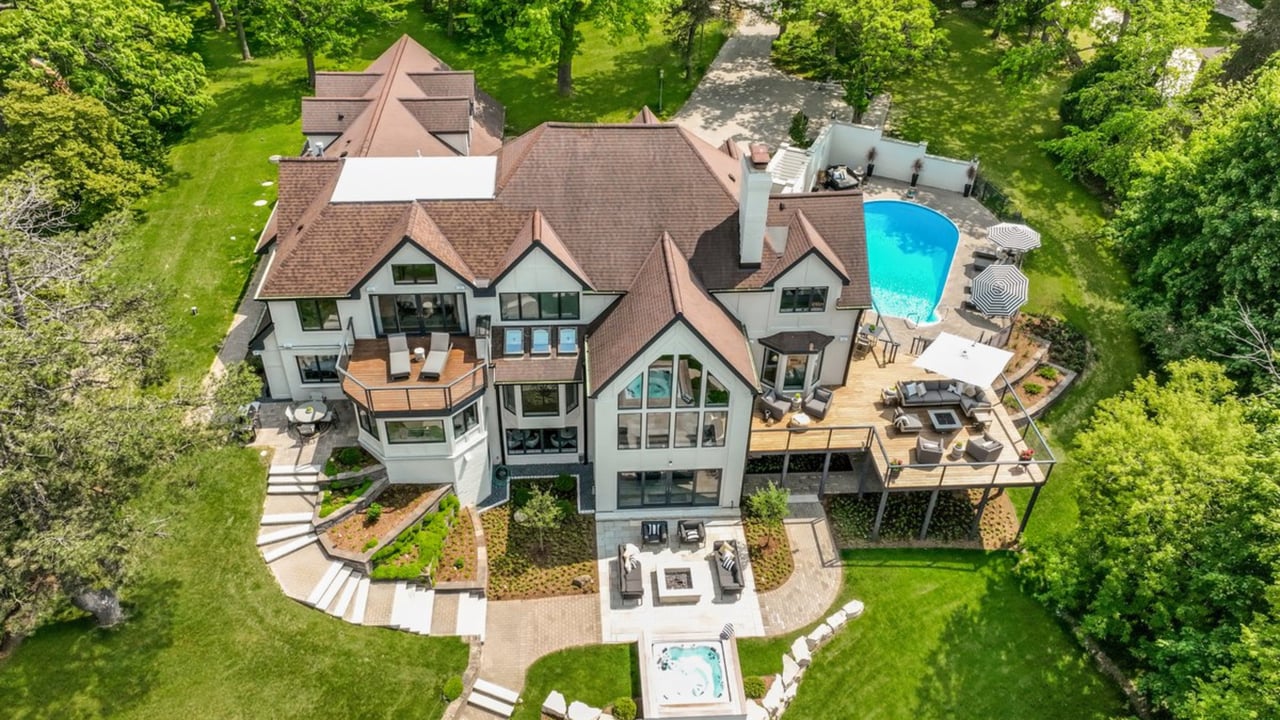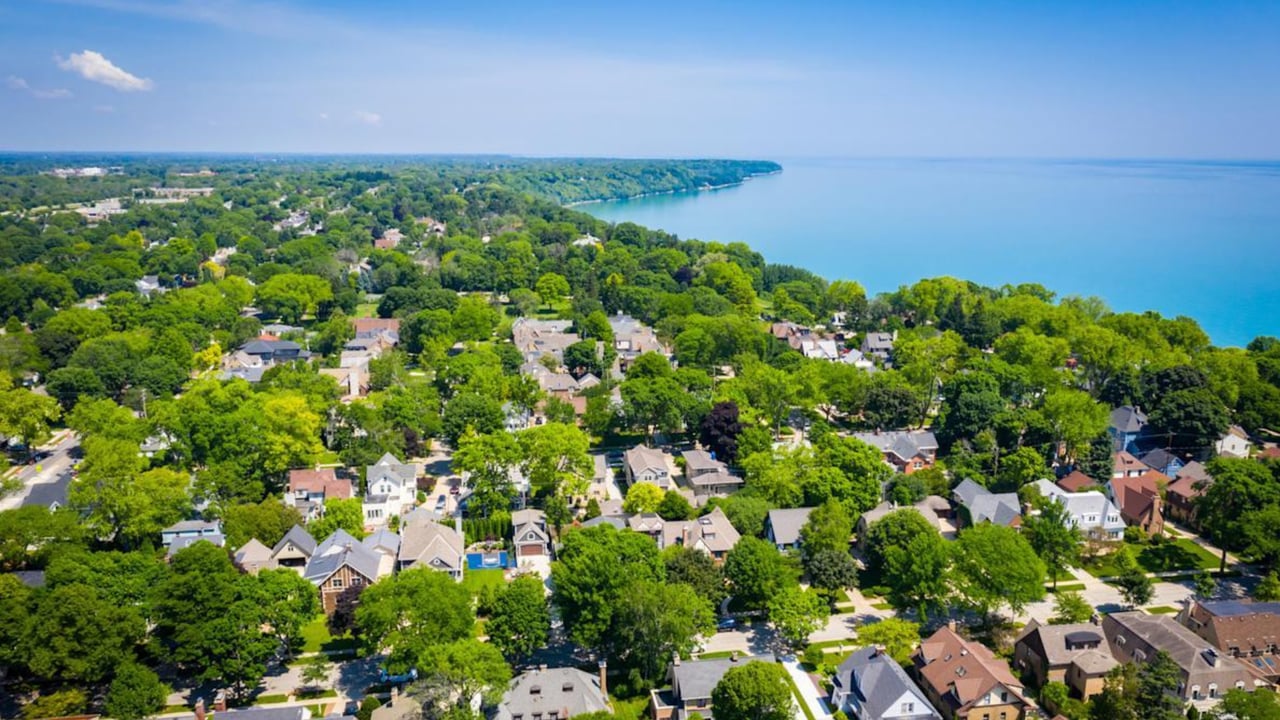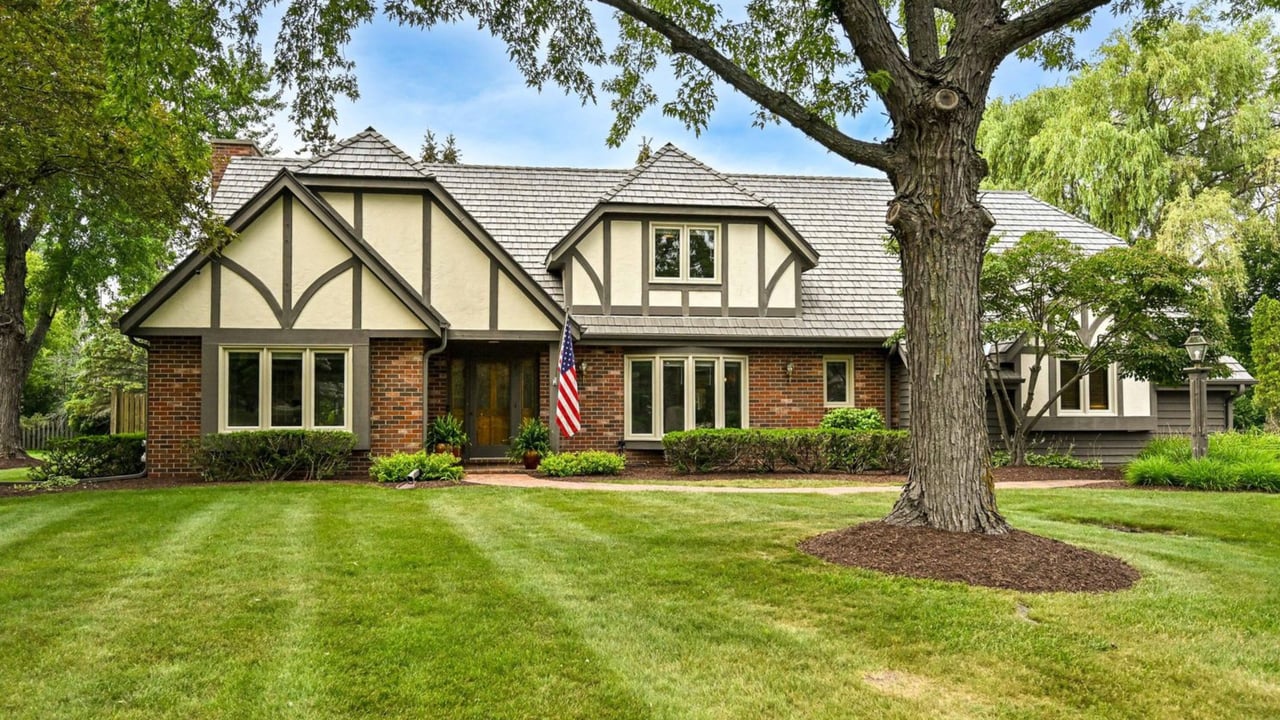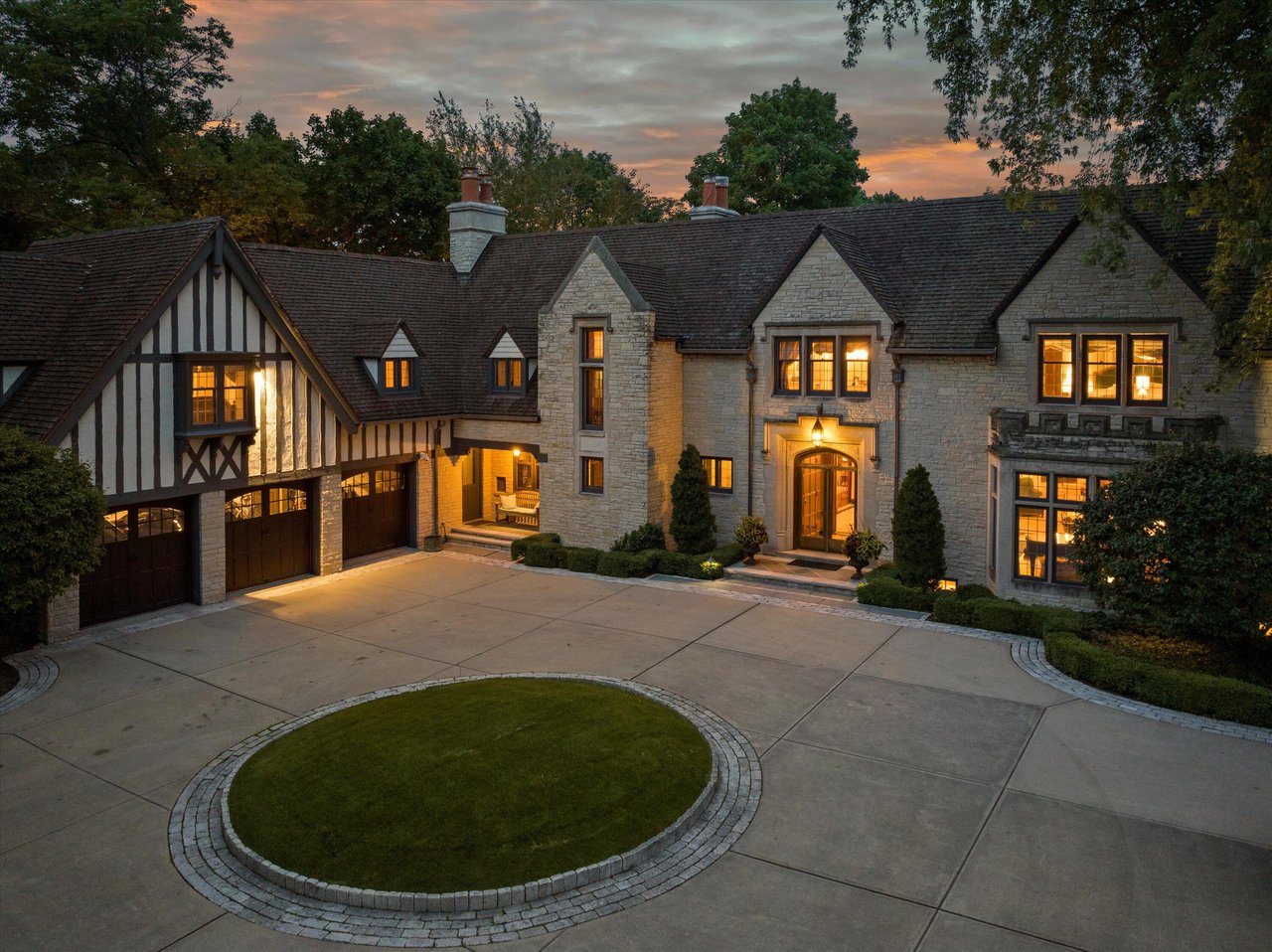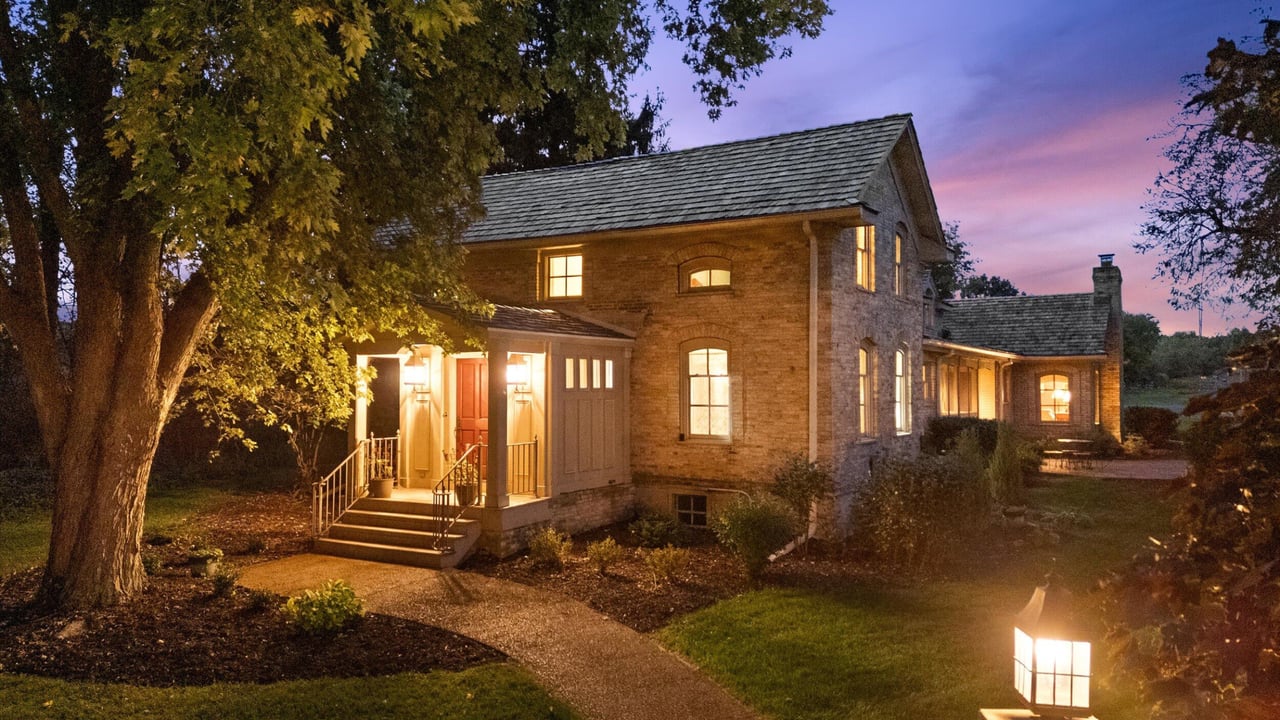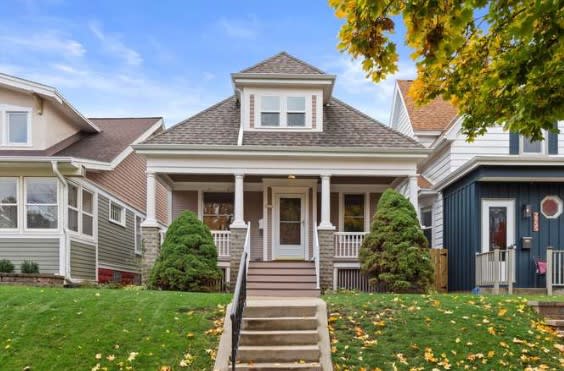

Wisconsin luxury property taxes are one of the most important financial considerations when purchasing a high-end home.
For buyers exploring a $2 million estate in Mequon, a historic residence in Whitefish Bay, a private property in River Hills, or a Lake Michigan waterfront home, the purchase price is only the beginning.
Property taxes represent an ongoing ownership expense that can influence affordability, long-term investment returns, retirement planning, and the total cost of maintaining a luxury lifestyle.
Two homes with similar market values may have different annual property tax bills.
Two properties in neighboring communities may also face different tax rates, assessments, and local charges.
For affluent buyers, those differences can become meaningful over time.
A few thousand dollars annually may seem modest compared with a multimillion-dollar purchase, but across ten or twenty years, property taxes can represent a substantial financial commitment.
That raises an important question:
How much will Wisconsin property taxes really affect the cost of owning a luxury home?
The answer depends on assessed value, location, local government levies, school districts, exemptions, and how a property changes over time.
Let's explore how property taxes work in Wisconsin and what luxury buyers should consider before purchasing.
Why Property Taxes Matter More at the Luxury Level

Luxury homeowners typically face larger tax obligations because their properties have higher taxable values.
A $2 million home can generate a significantly larger annual property tax bill than a property worth $400,000, even when both are located within the same municipality.
This matters because property taxes continue regardless of whether the home has a mortgage.
A cash buyer still pays property taxes.
A retired homeowner still pays property taxes.
A second-home owner still pays property taxes.
An estate held for future generations may continue generating tax obligations long after the original purchase.
According to the Wisconsin Department of Revenue's 2026 Guide for Property Owners, property taxes are based on assessed value and the applicable local tax rate, with certain credits and charges affecting the final bill.
For luxury buyers, reviewing those factors is an essential part of financial planning.
Property taxes should be evaluated alongside:
Homeowners insurance
Maintenance and repairs
Landscaping
Utilities
Association fees, where applicable
Capital improvements
Financing costs
Long-term appreciation potential
A property may have outstanding architecture, privacy, or lakefront access, but buyers should understand the full annual ownership expense before making a commitment.
How Wisconsin Property Taxes Are Calculated
Wisconsin property taxes are generally calculated using the property's assessed value and the applicable local tax rate.
The basic calculation is straightforward.
Property Tax Before Applicable Credits and Additional Charges = Taxable Assessed Value × Tax Rate
Tax rates are often expressed in mills, representing dollars of tax per $1,000 of assessed value.
For example, a property assessed at $2 million with an illustrative net tax rate of $15 per $1,000 would generate an annual property tax amount of approximately $30,000 before additional applicable charges or credits not reflected in that rate.
This is only a hypothetical example, not a current tax estimate for any particular Wisconsin municipality.
The actual bill depends on the tax district, assessment, credits, and special charges.
Wisconsin property tax rates can include levies associated with local governments, school districts, technical colleges, and other applicable taxing jurisdictions.
Understanding Assessed Value

Assessed value is the amount assigned to a property for taxation purposes.
It may differ from the home's recent sale price or estimated current market value.
Wisconsin assessments generally reflect property conditions and market valuation as of January 1 of the assessment year.
The Wisconsin Department of Revenue's 2026 Property Assessment Manual explains the valuation framework used in property assessments.
For luxury homes, assessment can be especially complex because properties may include unique features.
These can include:
Custom construction
Large parcels
Lakefront positioning
Historic architecture
Guest houses
Indoor pools
Outdoor recreational amenities
Specialty garages
Significant renovations
Unique design features
Not every feature contributes the same amount to assessed value.
The assessor evaluates the property under applicable assessment standards rather than simply adding up the cost of its amenities.
How Much Property Tax Might You Pay on a Luxury Home?
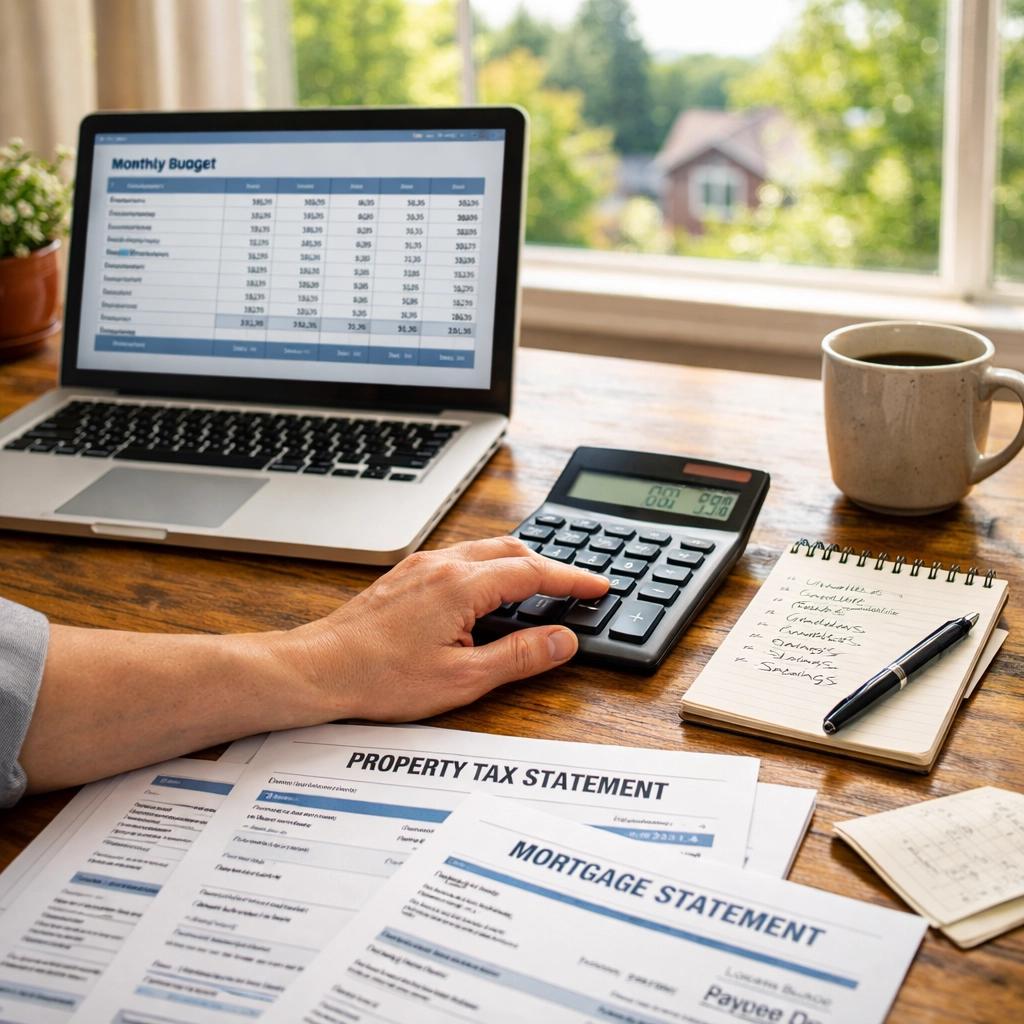
Luxury buyers often want to know what annual taxes could look like at different price points.
Because municipal rates and assessment ratios vary, there is no single Wisconsin luxury property tax percentage that applies to every home.
However, illustrative calculations can help buyers understand how rates influence ownership costs.
These are illustrative rates and assessments, not verified local tax bills or municipal rate quotes.
The difference becomes significant over time.
For example, a $2 million assessed property taxed at $12 per $1,000 would generate approximately $24,000 annually.
At $18 per $1,000, the same assessed value would generate approximately $36,000.
That is a difference of $12,000 each year.
Over ten years, assuming unchanged rates and assessments, the difference would total $120,000.
For investment-minded luxury buyers, that is a substantial ownership consideration.
Why Similar Luxury Homes Can Have Different Tax Bills
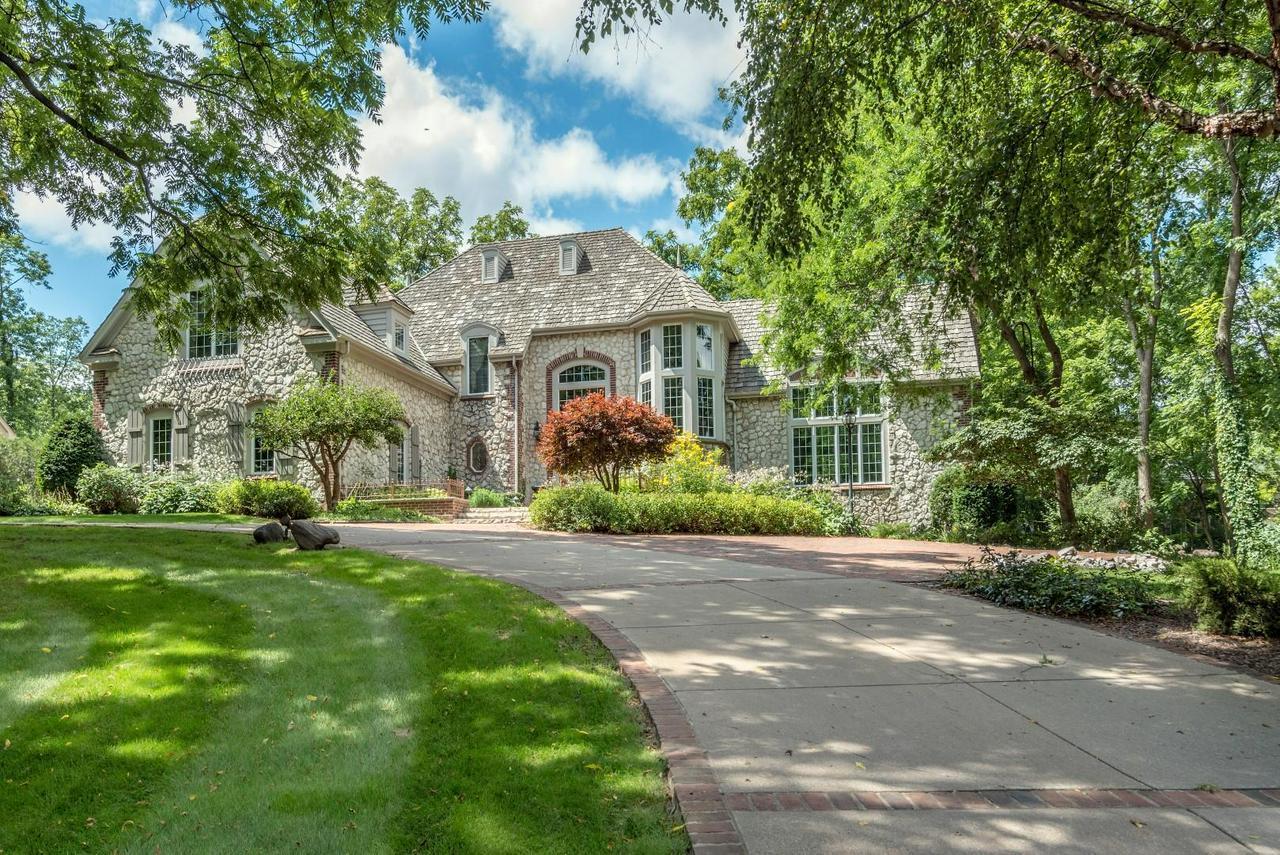
One of the biggest misconceptions about Wisconsin luxury property taxes is that similarly priced homes should have similar annual taxes.
That is not always true.
Consider two properties.
One is a custom estate in Mequon.
The other is a historic residence in Whitefish Bay.
Both may sell for approximately $2 million.
However, their tax bills may differ because of:
Municipality
School district
Assessment level
Applicable tax rate
Special assessments
Tax credits
Property classification
Individual valuation history
Even homes within the same community may have different taxable assessments because they differ in lot size, construction, improvements, or valuation history.
Luxury buyers should therefore avoid estimating their future property taxes solely from the listing price.
The better approach is to review the property's actual tax bill and assessment record, then discuss potential future changes with the local assessor.
Property Taxes in Mequon, Whitefish Bay, River Hills, and Other Luxury Communities
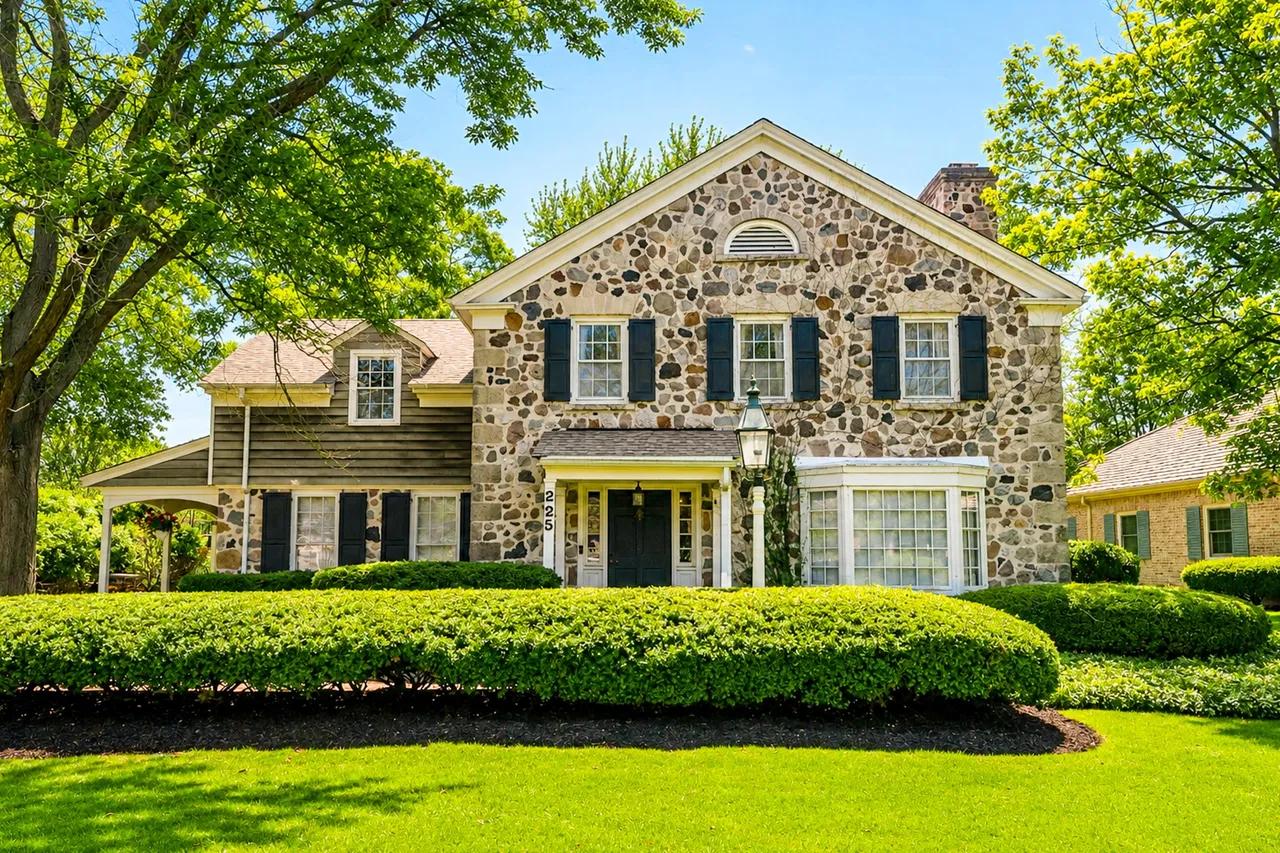
Greater Milwaukee's luxury market includes several distinct municipalities.
Each community offers different lifestyle advantages, and each has its own local tax environment.
The table is intended to highlight factors buyers should investigate, not to rank communities by tax burden.
A community with a lower published tax rate does not necessarily produce a lower bill for every luxury property.
Assessed values and local charges still matter.
For buyers comparing locations, tax information should be reviewed alongside the lifestyle, lot quality, neighborhood demand, and long-term resale potential.
Does Buying a $2 Million Home Automatically Increase Its Assessment?

Not necessarily.
A common concern among luxury buyers is whether purchasing a home at a high price will automatically cause the assessment to rise to match the sale price.
Wisconsin assessments are governed by valuation standards and local assessment practices.
A recent arm's-length sale can provide evidence of market value, but the purchase price does not automatically become the assessed value in every situation.
Assessors also consider broader market evidence and property characteristics.
For buyers, this means the current tax bill should not be treated as a permanent guarantee of future taxes.
The property's assessment may change as market conditions evolve or through a municipal reassessment.
The Wisconsin Department of Revenue's 2026 Property Assessment Process Guide provides additional explanation of fair market value, assessed value, and assessment practices.
Before buying, purchasers should ask:
When was the property last reassessed?
How does assessed value compare with estimated market value?
Were major improvements completed recently?
Has the property sold recently?
Are local assessments being updated?
Are future changes anticipated?
A knowledgeable real estate advisor can help buyers identify these questions, while the municipality's assessor can provide guidance on assessment procedures.
How Renovations Can Influence Property Taxes
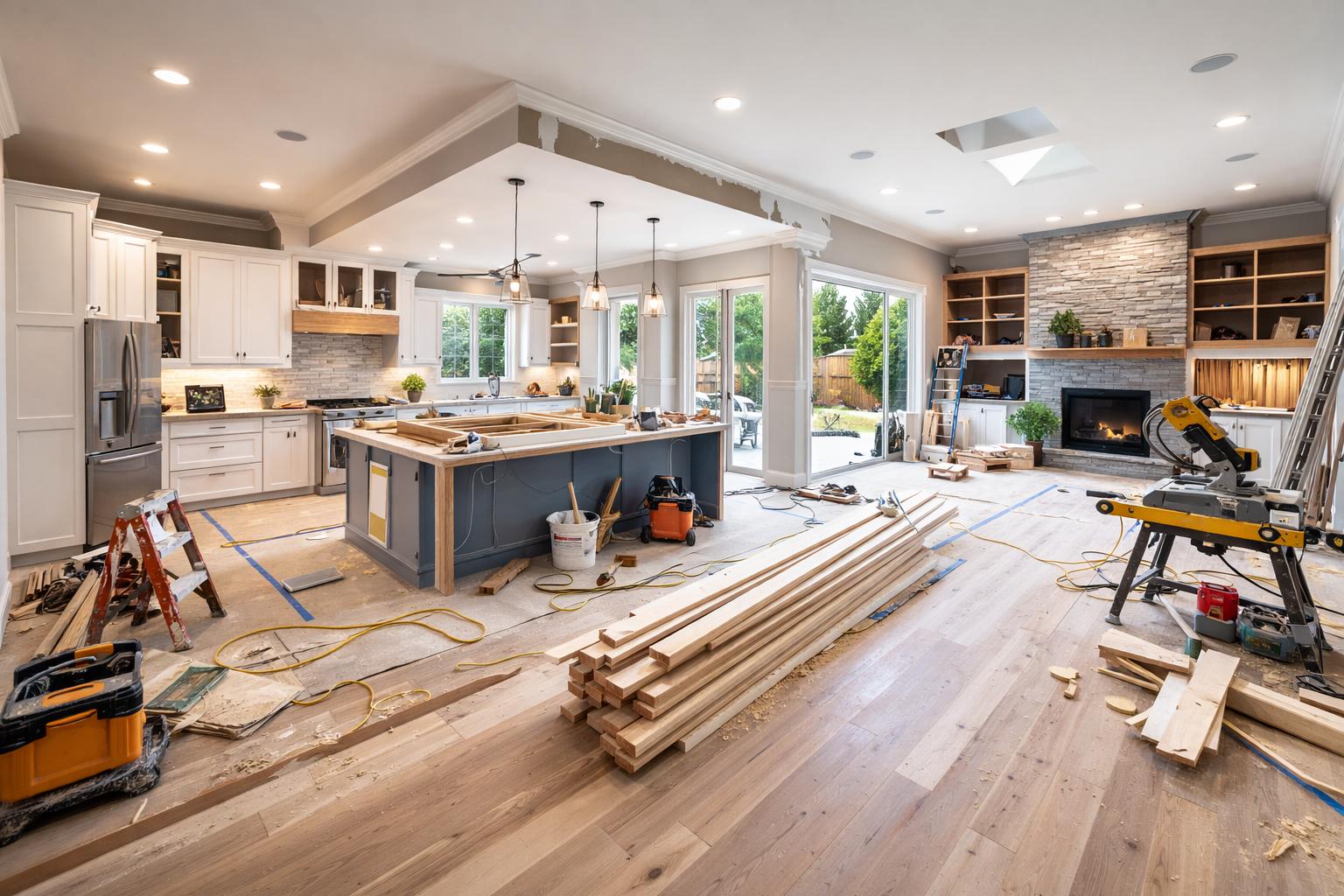
Luxury homeowners frequently invest in improvements.
A buyer may purchase a historic home and renovate the kitchen.
Another may add a guest suite.
An estate owner may build a pool house, expand the residence, or add a detached garage.
These improvements can affect assessed value.
Potential examples include:
Home additions
New construction
Finished living space
Guest houses
Major structural renovations
Permanent accessory buildings
Certain swimming pool installations
Improvements that materially enhance property value
However, the cost of an improvement does not necessarily equal the resulting increase in assessed value.
A $200,000 renovation does not automatically increase the assessment by exactly $200,000.
Ordinary maintenance and repairs may also be treated differently from significant capital improvements.
Before beginning major renovations, homeowners should understand the local permitting and assessment process.
This can be particularly important for historic homes in Whitefish Bay, Shorewood, and Milwaukee's East Side, where projects may involve both preservation and modernization.
The financial impact should be considered alongside the property's long-term marketability.
Property Taxes and Luxury Condominiums
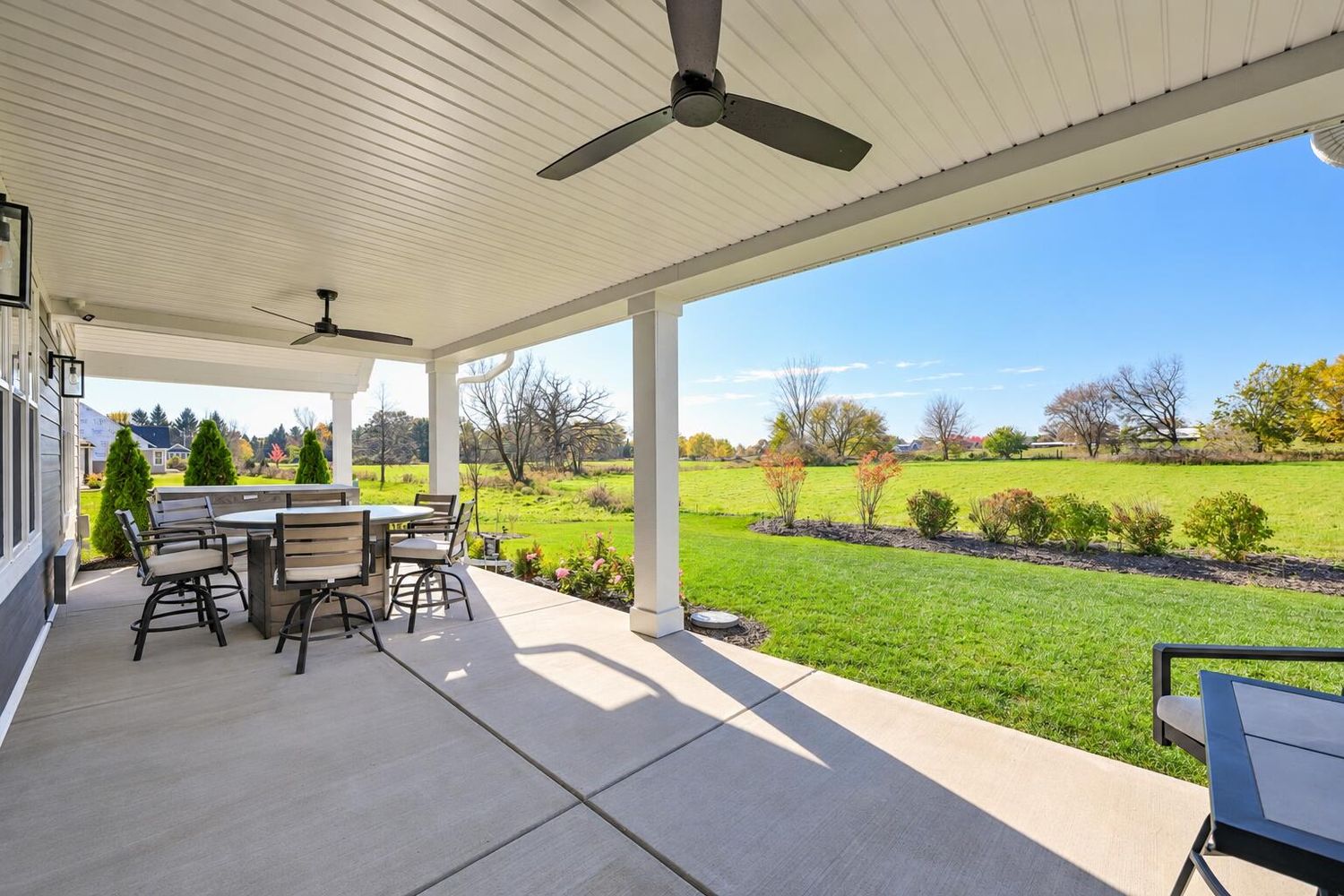
Luxury condominium buyers face a different ownership structure from estate homeowners.
A condominium owner typically pays property taxes associated with the unit, while also paying regular association fees.
Those are separate expenses.
Association dues may cover:
Common-area maintenance
Building insurance
Security
Elevator servicing
Landscaping
Shared utilities
Building management
Reserve contributions
Property taxes are generally based on the unit's taxable assessed value and applicable taxing jurisdictions.
Buyers should not assume that a higher association fee means a lower tax obligation.
A lake-view condominium in downtown Milwaukee may have substantial monthly association fees while still carrying a significant annual property tax bill.
For high-end condo purchases, buyers should compare:
Annual property taxes
Association dues
Insurance coverage
Reserve funding
Special assessments
Building maintenance history
Future capital projects
This helps reveal the property's real cost of ownership.
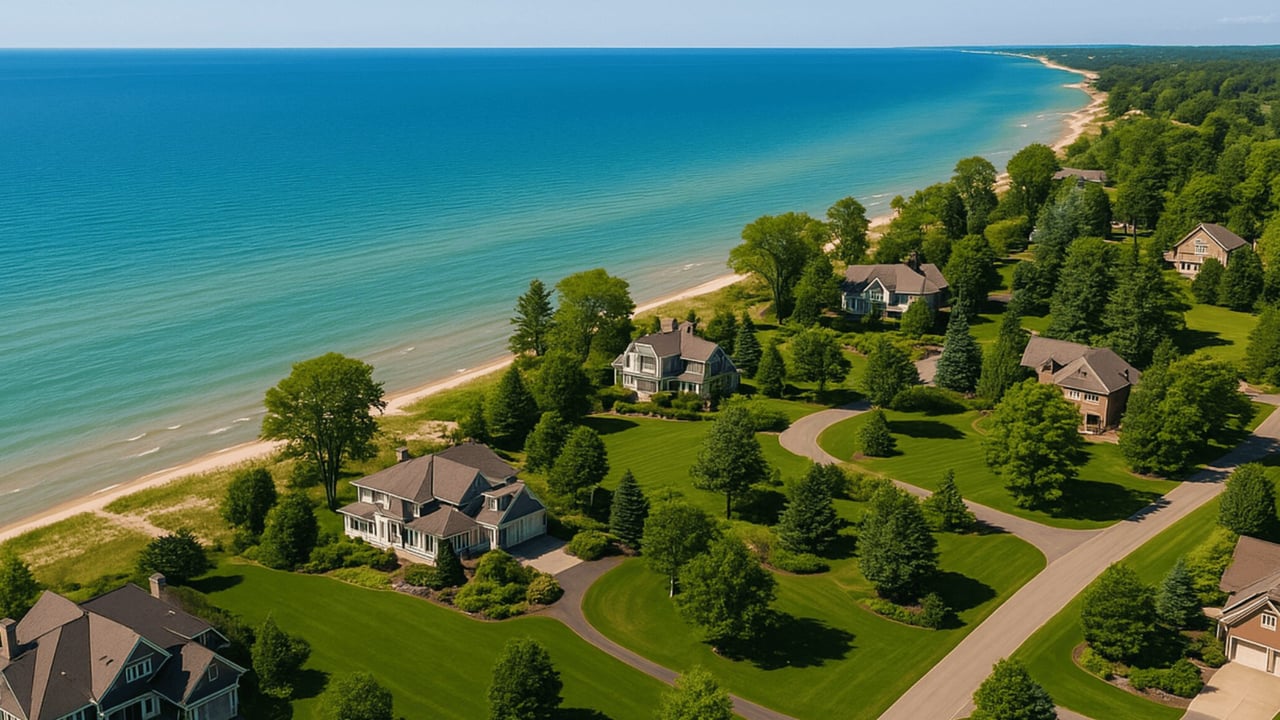
Property Taxes and Lake Michigan Waterfront Homes
Lakefront homes are among the most distinctive properties in Greater Milwaukee.
Their value may reflect characteristics that cannot easily be recreated.
These include:
Direct shoreline frontage
Unobstructed water views
Scarce locations
Architectural character
Privacy
Large lots
Outdoor entertaining spaces
Because property taxes are connected to assessed value, these valuable characteristics may influence the tax assessment.
Waterfront buyers should also consider costs beyond taxation.
These may include shoreline maintenance, drainage, insurance, exterior upkeep, and specialized inspections.
A lakefront residence may be an extraordinary lifestyle purchase, but it should be evaluated as a complete financial commitment.
For buyers comparing waterfront and non-waterfront luxury properties, the difference in ownership costs may influence the final decision.
Property Tax Credits Available to Wisconsin Homeowners

Wisconsin offers several property tax credits and relief programs, although eligibility varies.
Two programs are especially relevant for homeowners to understand.
First Dollar Credit
Wisconsin's First Dollar Credit generally applies to qualifying taxable parcels containing a real property improvement, such as a residential building.
Unlike certain residence-based credits, the property does not need to be the owner's primary residence.
According to the Wisconsin Department of Revenue's First Dollar Credit guidance, the credit is automatically applied to qualifying properties.
For luxury homeowners, the amount may be relatively small compared with the total annual tax bill.
However, eligible property owners should still verify that the credit appears correctly.
Lottery and Gaming Credit
The Lottery and Gaming Credit generally applies to qualifying Wisconsin homeowners who own and occupy the property as their primary residence on January 1 of the applicable tax year.
It is not available for every second home or investment property.
The Wisconsin Department of Revenue's 2026 Lottery and Gaming Credit application explains eligibility and application requirements.
For buyers who split their time between Wisconsin and another state, primary-residence requirements are especially important.
Homeowners should not assume that a luxury second residence automatically qualifies for the same credits as their principal home.
Eligibility should be verified with the appropriate tax authority.
How Property Taxes Affect Long-Term Investment Returns
For buyers treating a luxury residence as part of a broader wealth strategy, property taxes are an important factor in long-term returns.
Consider a hypothetical $2 million property.
Suppose it generates $30,000 in property taxes annually.
Over ten years, that represents $300,000 in taxes if the amount remains unchanged.
Now suppose the property appreciates over that period.
The homeowner's overall financial outcome still depends on:
Purchase price
Sale price
Property taxes
Maintenance
Insurance
Financing costs
Renovations
Selling expenses
Holding period
Property taxes represent a real ongoing cost that reduces the net financial return from ownership.
However, that does not mean buyers should choose a property only because of a lower tax bill.
A home in a highly desirable neighborhood may offer stronger lifestyle benefits or resale characteristics that justify higher annual expenses.
The goal is to evaluate the total investment rather than one cost in isolation.
Can You Appeal a Wisconsin Property Tax Assessment?

Yes.
Wisconsin provides a process for property owners who believe their assessed value is inaccurate.
However, disagreeing with the amount of taxes owed is not the same as challenging the property's assessed value.
An assessment appeal generally focuses on whether the property was valued correctly under applicable assessment standards.
The first step is typically contacting the local assessor to discuss the valuation and supporting information.
Property owners may then have access to formal review or appeal procedures, subject to local requirements and deadlines.
The Wisconsin Department of Revenue maintains guidance on property assessment appeals, including property owner resources and review procedures.
Luxury homeowners considering an appeal should gather evidence such as:
Recent comparable sales
Professional appraisal information
Property condition documentation
Relevant inspection findings
Accurate square footage
Information about material property defects
A well-supported appeal is more effective than simply arguing that the annual tax bill feels too high.
For complex luxury properties, an independent appraiser or qualified property tax professional may provide useful assistance.
A Practical Tax Checklist Before Buying a Luxury Home

Before purchasing a high-value property in Wisconsin, buyers should carefully review the following.
This checklist is especially useful when comparing homes across multiple Greater Milwaukee communities.
It helps buyers separate the emotional appeal of a property from its ongoing financial obligations.
Why Local Market Expertise Matters
Luxury real estate decisions are complex because value is rarely determined by square footage alone.
A property in Mequon may offer exceptional land and privacy.
A Whitefish Bay residence may offer architectural character and walkability.
A River Hills estate may offer seclusion.
A downtown condominium may offer convenience, views, and low-maintenance living.
Each comes with different ownership considerations.
The Sewart Group helps buyers evaluate high-end homes through a combination of local market knowledge, property-specific comparisons, and lifestyle planning.
For buyers concerned about Wisconsin luxury property taxes, that means understanding the role of the tax bill within the broader purchasing decision.
A real estate advisor can help identify relevant property records and connect clients with appropriate tax, legal, or financial professionals when specialized advice is needed.
The objective is not simply to find a beautiful home.
It is to make a confident purchase with a clear understanding of long-term ownership costs.
Frequently Asked Questions
Are Wisconsin luxury property taxes high?
Wisconsin property taxes can represent a significant annual expense for luxury homeowners. The actual amount depends on assessed value, municipality, school district, local tax rates, credits, and special charges.
How much are property taxes on a $2 million home in Wisconsin?
There is no single statewide amount. As a hypothetical example, a home assessed at $2 million with a tax rate of $15 per $1,000 would generate approximately $30,000 annually before applicable additional charges or credits not incorporated into that rate.
Do property taxes increase after buying a luxury home?
They can, but an increase is not automatic simply because ownership changes. Assessments may change based on market conditions, reassessments, improvements, and other valuation factors.
Are property taxes different between Mequon and Whitefish Bay?
Yes, they can be. Each property is subject to its applicable local tax districts, assessments, and charges. Buyers should compare actual parcel tax records rather than relying solely on community averages.
Can Wisconsin homeowners appeal their property assessment?
Yes. Homeowners who believe their property's assessed value is incorrect may pursue local assessment review and appeal procedures, subject to deadlines and evidence requirements.
Do Wisconsin second-home owners receive property tax credits?
Some credits, such as the First Dollar Credit, can apply to qualifying properties that are not primary residences. Other programs, such as the Lottery and Gaming Credit, generally require qualifying primary-residence ownership and occupancy.
Final Thoughts
Wisconsin luxury property taxes are more than a line item on a closing statement.
They are a recurring financial commitment that can influence the long-term cost of owning a high-value home.
For buyers considering Mequon, Whitefish Bay, River Hills, Fox Point, Bayside, Elm Grove, Shorewood, or Milwaukee's lakefront communities, understanding the tax structure is an essential part of making a smart decision.
The purchase price matters.
The property's condition matters.
The location matters.
But the annual ownership cost matters too.
A luxury home should support the buyer's lifestyle without creating unexpected financial pressure.
That requires careful planning, informed comparisons, and a realistic understanding of ongoing expenses.
The most successful luxury buyers look beyond the listing price.
They evaluate taxes, maintenance, insurance, financing, privacy, resale potential, and long-term value together.
The Sewart Group helps buyers navigate Greater Milwaukee's luxury real estate market with local expertise, thoughtful guidance, and a clear understanding of what makes each property unique.
Whether you are relocating to Wisconsin, purchasing a second home, upgrading into a private estate, or comparing luxury neighborhoods, the right advisor can help you make your next move with confidence.
__
Sewart Group
Milwaukee Real Estate (and beyond)
Ranked top 1.5% of agents nationwide
☎️ 414-526-0754