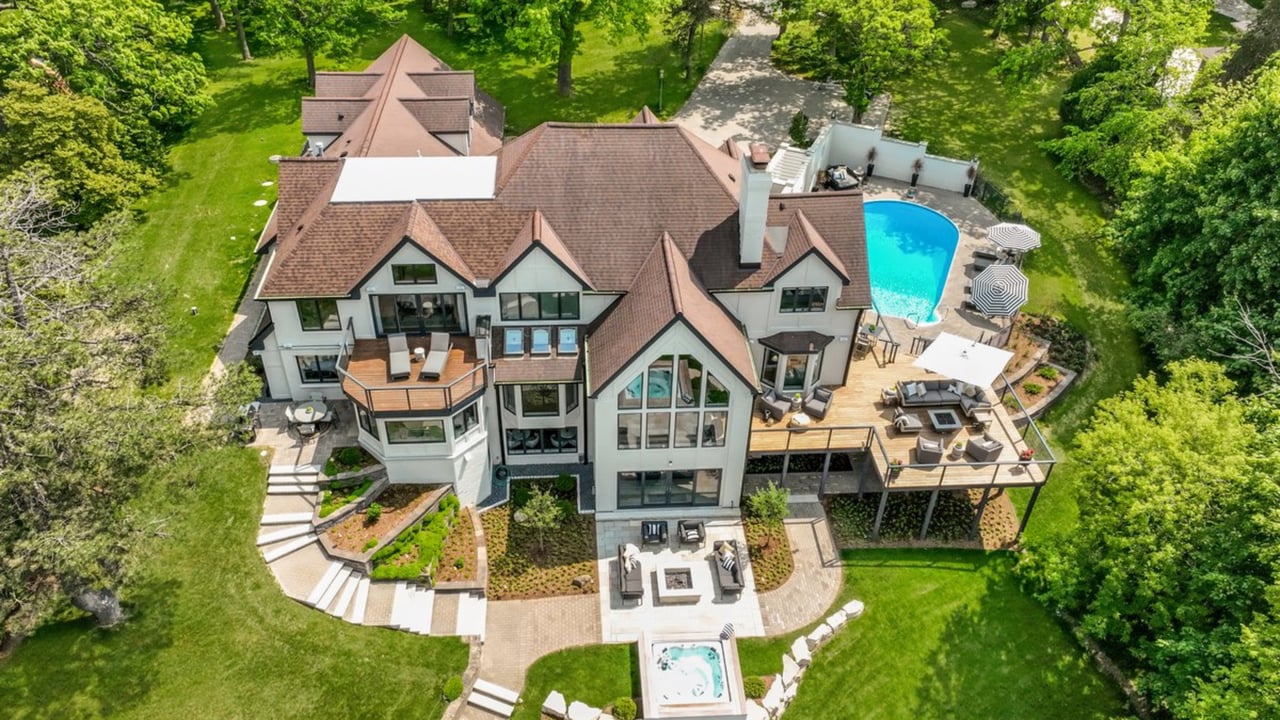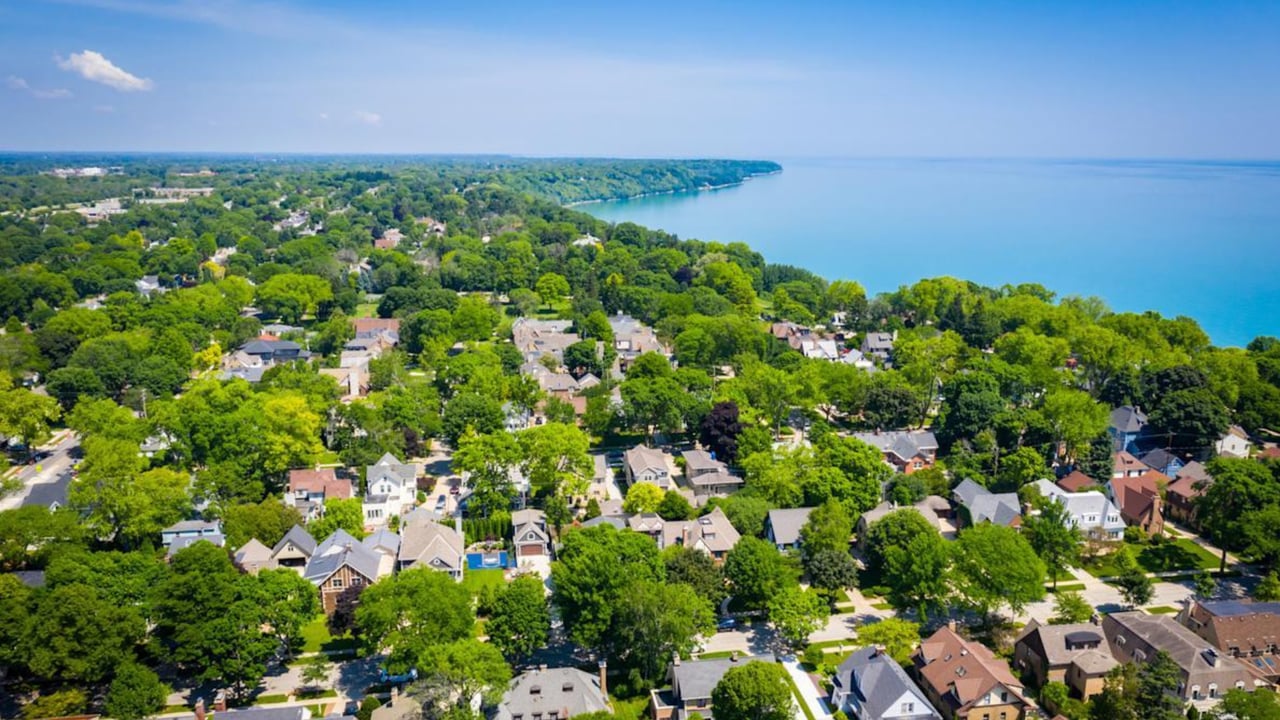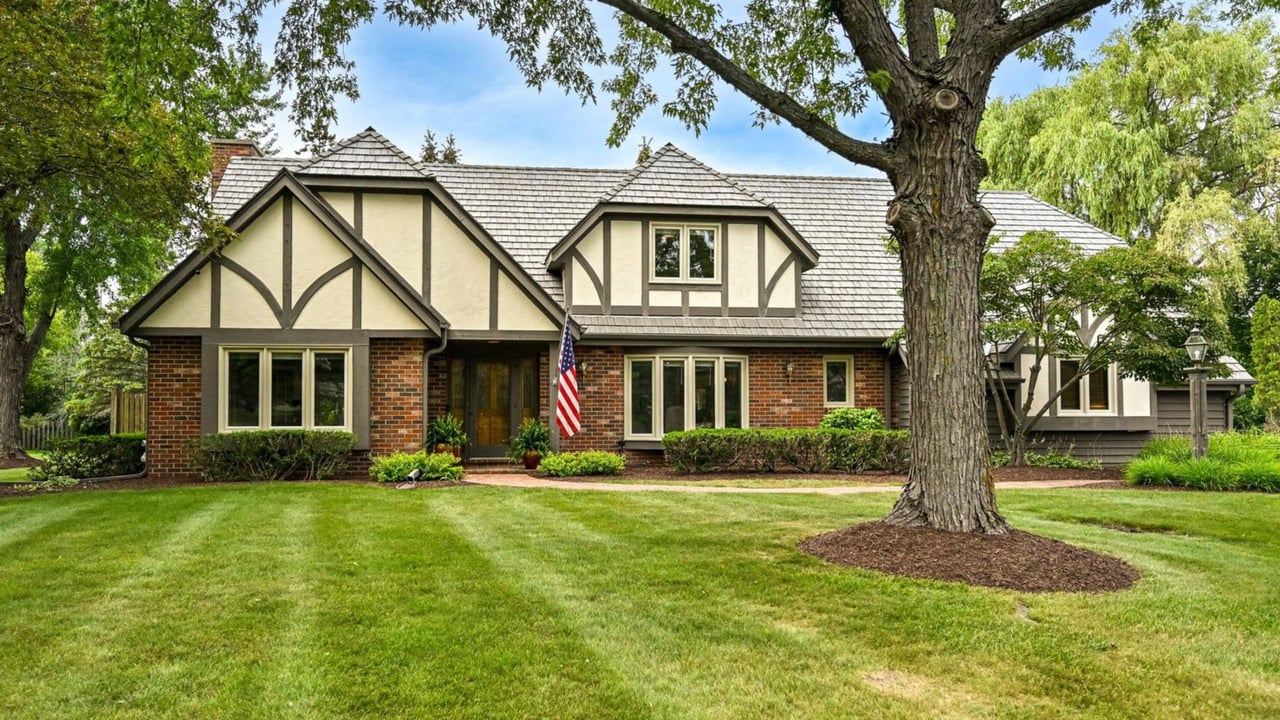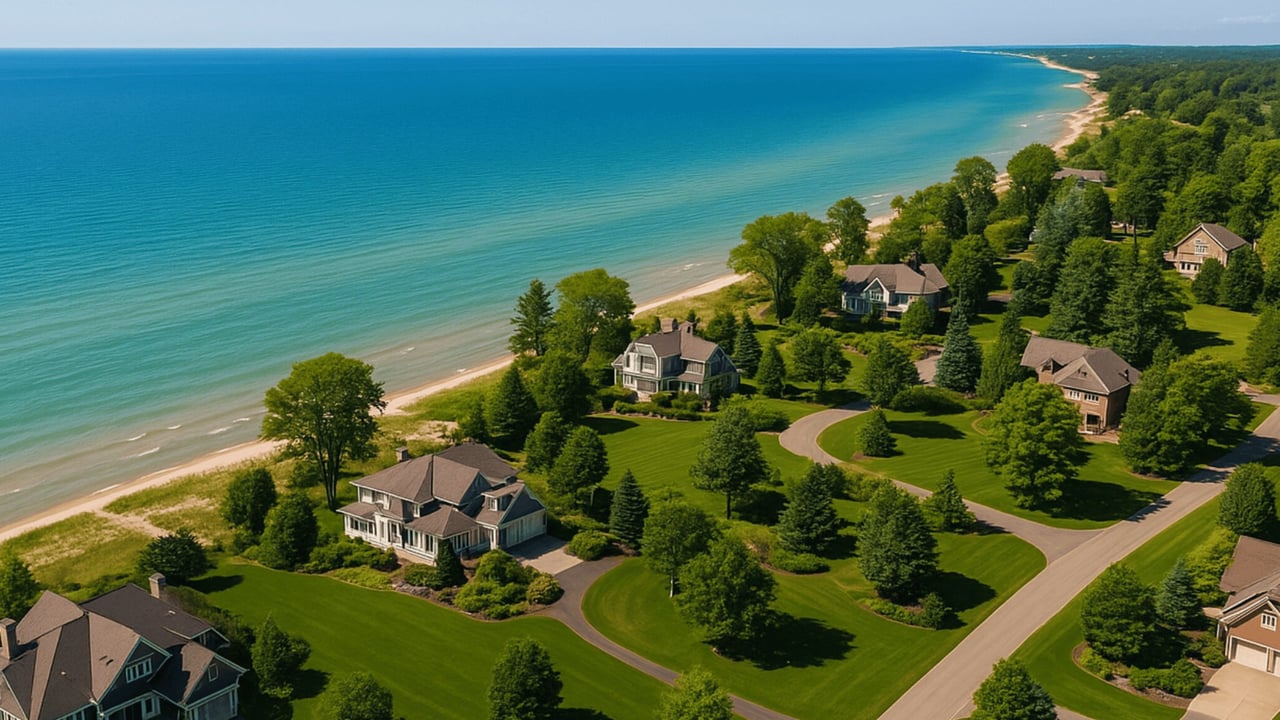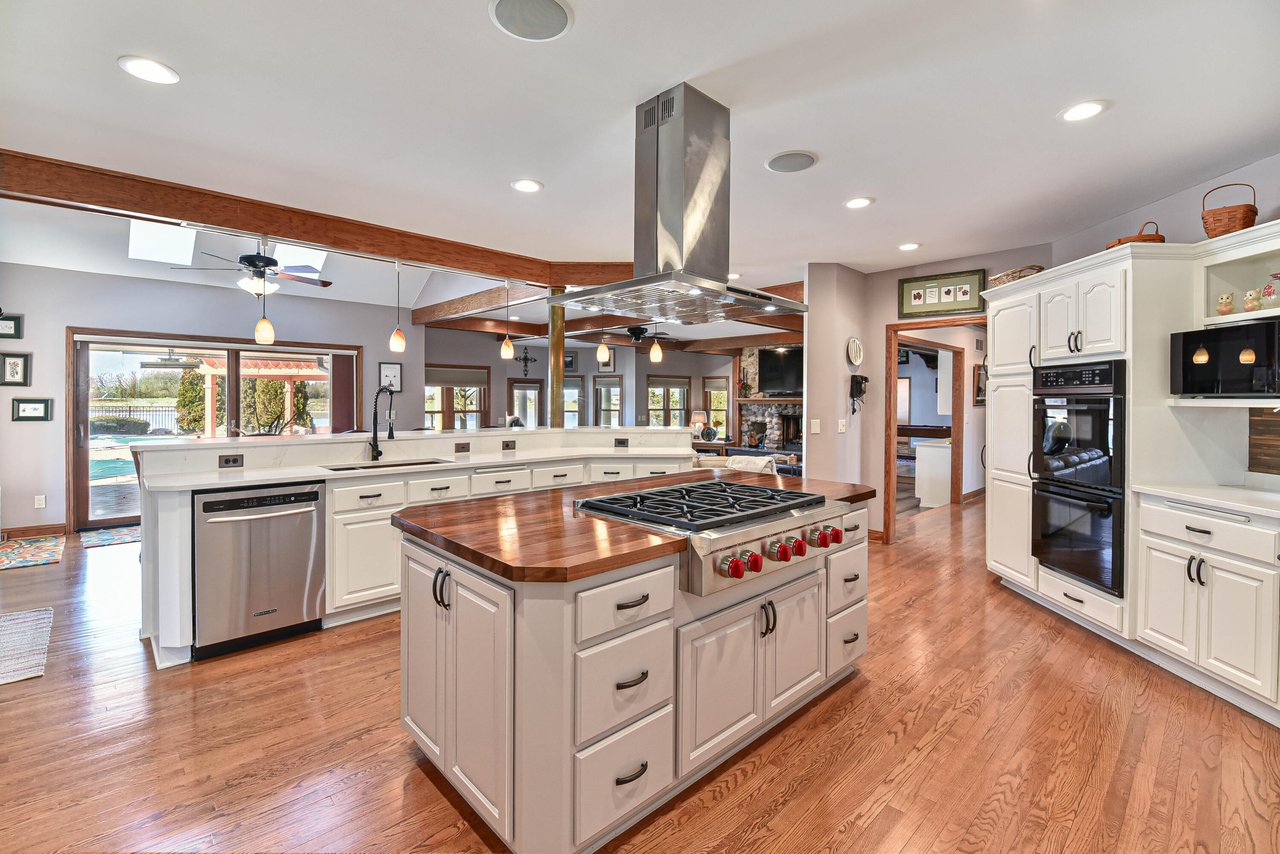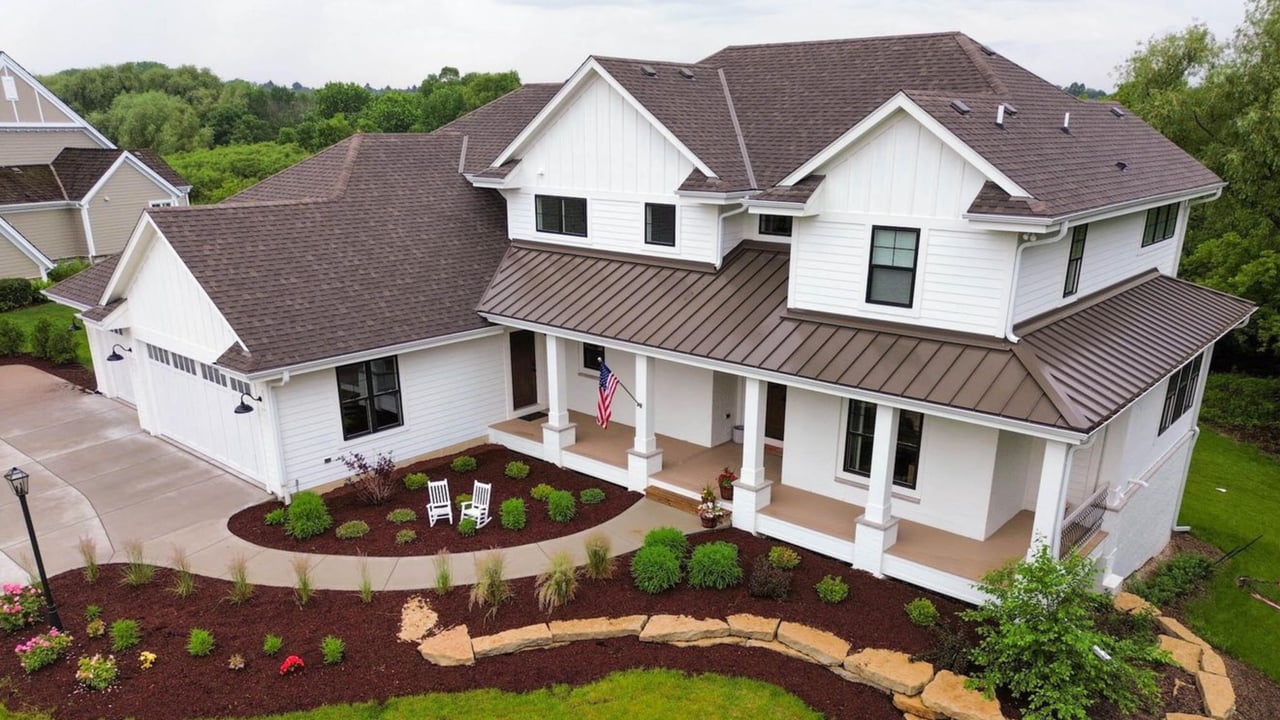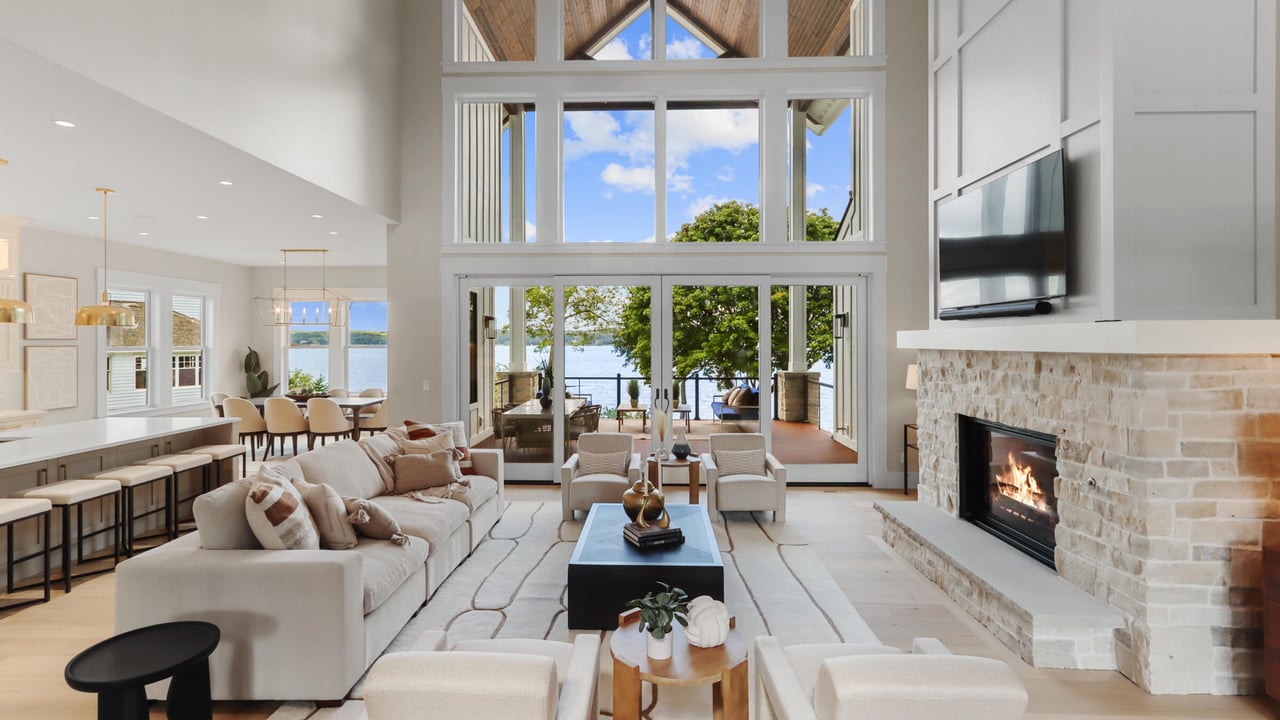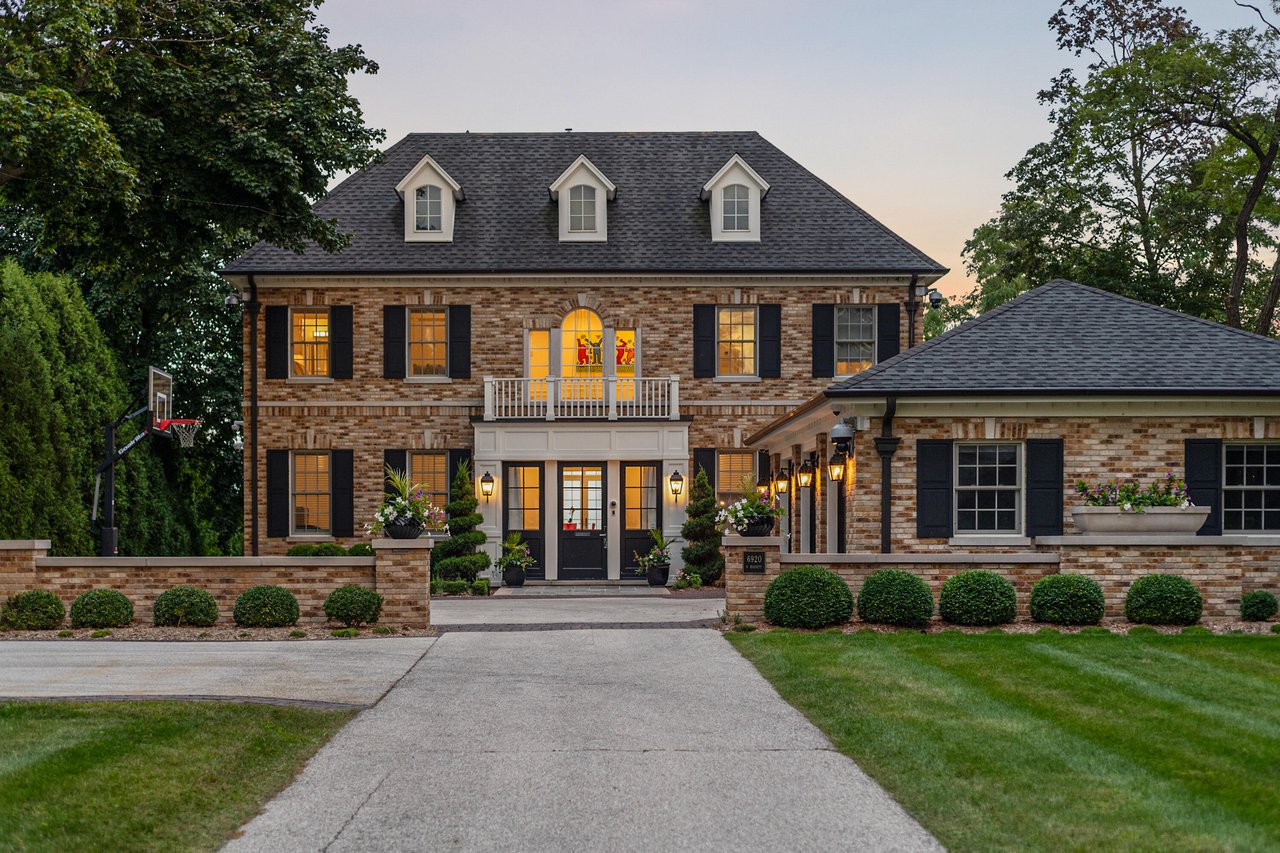

Buying luxury home Wisconsin is often about more than finding a beautiful property.
At the $2 million-plus level, buyers are usually thinking about lifestyle, privacy, architecture, land, schools, entertaining space, long-term value, and legacy. The home itself may be the most visible part of the purchase, but it is rarely the full financial picture.
Luxury buyers in Wisconsin should look beyond the purchase price and ask a more important question:
What will this home truly cost to buy, maintain, protect, and enjoy?
That answer depends on the property.
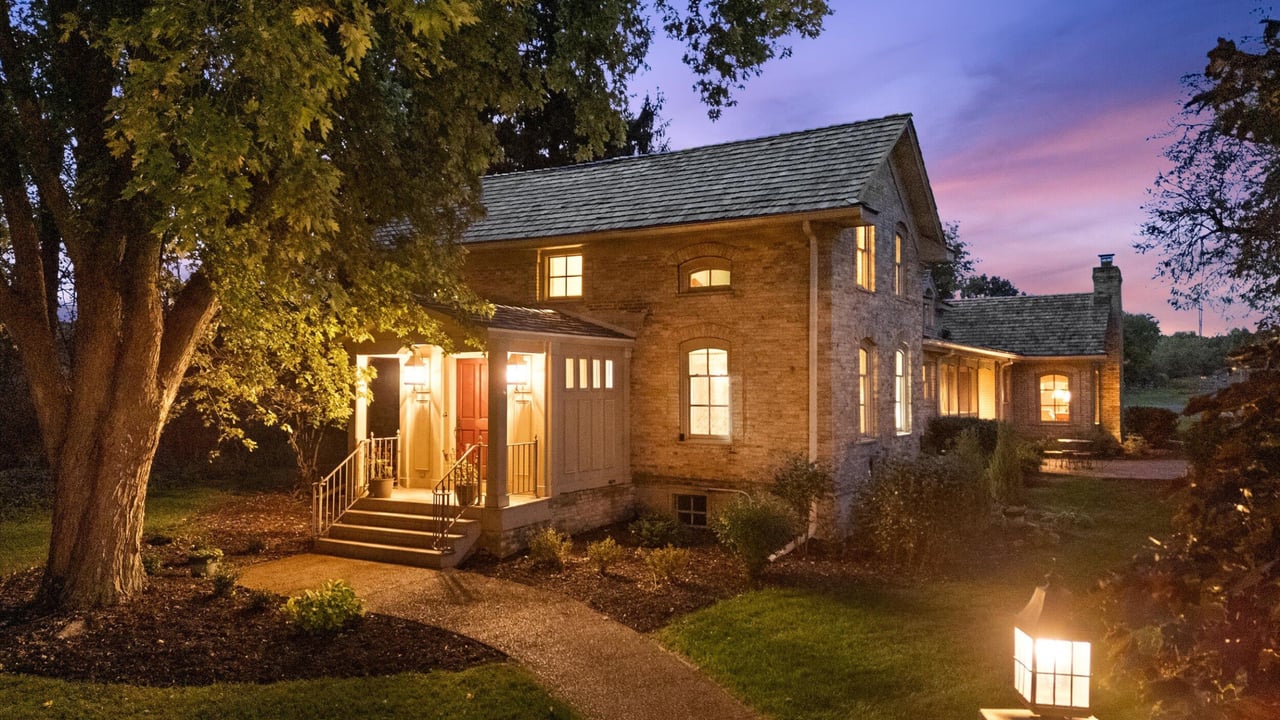
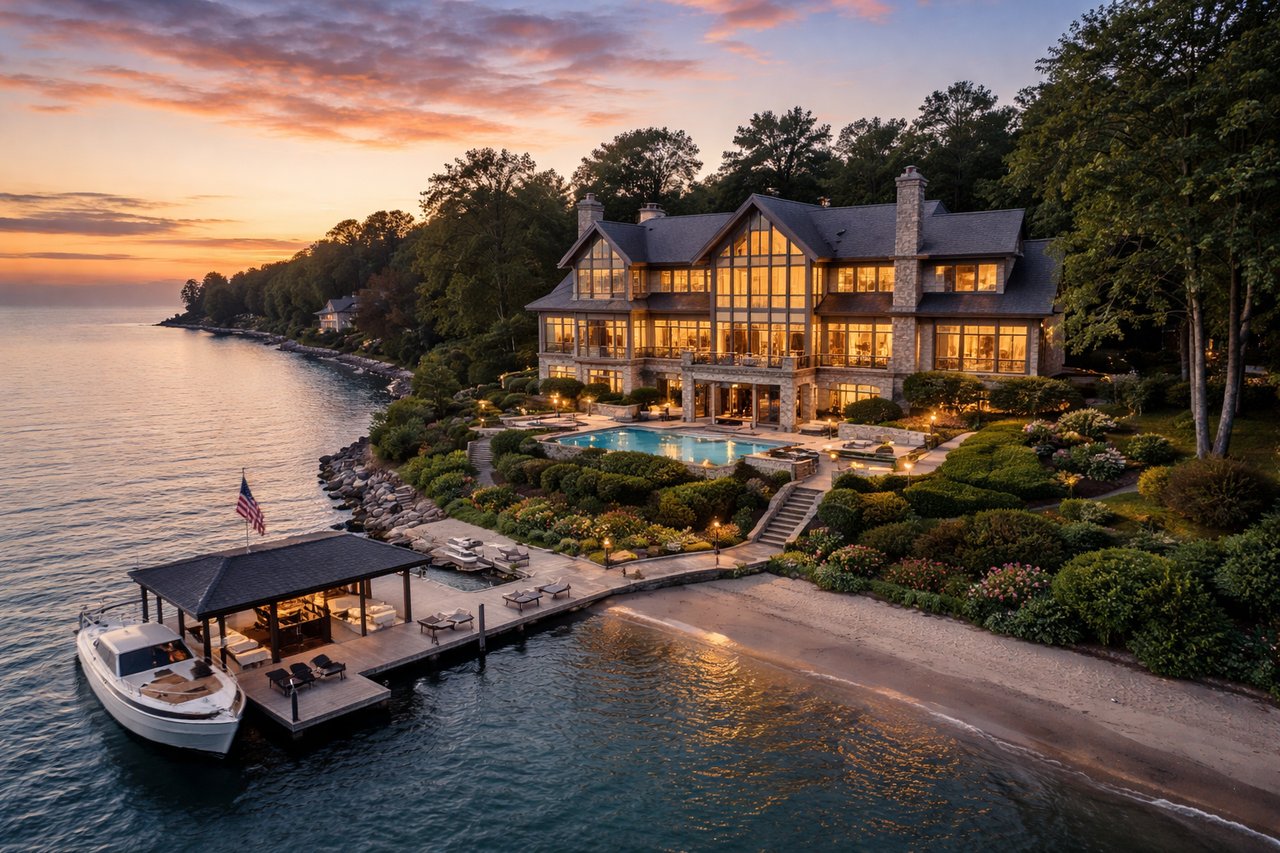
A lakefront estate in the Milwaukee area may carry different insurance, maintenance, and exterior care needs than a historic home in Whitefish Bay, a newer custom property in Mequon, or a large country-style estate with acreage.
For buyers entering Wisconsin’s luxury market, understanding the hidden costs early can prevent surprises later.
Here is what high-end buyers should know before purchasing a $2M+ home in Wisconsin.
The Purchase Price Is Only the Starting Point

A $2 million home does not simply cost $2 million.
Even before moving in, buyers should plan for a range of acquisition-related expenses. These may include inspections, appraisal costs, lender fees, title charges, attorney review, moving expenses, insurance setup, and post-closing improvements.
At the luxury level, these costs often increase because the home itself is larger, more complex, and more customized.
A standard inspection may not be enough.
A high-value Wisconsin property may require additional evaluations for:
Roof condition
Foundation and structural systems
Chimneys and fireplaces
Sewer lateral or septic systems
Wells and water quality
Radon
Pools and spas
Elevators
Smart home systems
Security systems
Shoreline or bluff conditions
Guest houses or outbuildings
Buyers reviewing Wisconsin luxury properties can browse active opportunities through the Sewart Group’s current listings to better understand the range of homes and property types available across the market.
The higher the value of the home, the more important it becomes to evaluate the entire ownership profile, not just the listing price.
Closing Costs Can Be Meaningful

Closing costs are easy to underestimate.
In Wisconsin, both buyers and sellers may have specific closing-related expenses depending on the transaction structure, loan type, title work, municipal requirements, and negotiated terms.
Wisconsin also has a real estate transfer fee. Under Wisconsin law, the real estate transfer fee is imposed on the grantor at a rate of 30 cents for each $100 of value or fraction of $100. Buyers should still understand how this fee works because closing costs and negotiated credits can vary by transaction. The Wisconsin Legislature explains the transfer fee structure in its real estate transfer fee statute.
Buyers should also expect possible expenses such as:
Lender origination fees
Appraisal fees
Title insurance
Recording fees
Attorney review
Escrow deposits
Prepaid property taxes
Homeowners insurance premiums
HOA or condominium transfer fees
Wire fees and settlement charges
At the $2M+ level, even small percentage-based costs can become substantial.
For example, a buyer using financing may need an appraisal that properly reflects luxury features, unique architecture, acreage, lakefront positioning, or custom construction. Not every high-end home has easy comparable sales, which can make valuation more complex.
Property Taxes Deserve Serious Attention

Property taxes are one of the most important ongoing costs when buying a luxury home in Wisconsin.
A buyer may be comfortable with the purchase price but surprised by the annual tax bill.
Wisconsin property taxes vary by municipality, school district, assessed value, and local tax rates. A $2M+ home in one community may have a very different annual property tax obligation than a similarly priced home elsewhere.
Tax Foundation’s 2026 property tax data lists Wisconsin’s 2024 effective property tax rate at 1.32%, among the higher rates nationally.
That does not mean every luxury home will be taxed at exactly that percentage.
It does mean buyers should treat property taxes as a major part of the ownership equation.
Before making an offer, buyers should review:
Current tax bill
Assessed value
Recent reassessments
Municipality and school district
Special assessments
Past tax increases
Potential impact of improvements
Whether the purchase price could influence future assessment
The Wisconsin Department of Revenue provides resources for owners who want to better understand property tax assessment and appeals.
For luxury buyers, this matters because a major renovation, new construction, pool installation, addition, or significant exterior improvement may affect the property’s assessed value over time.
Insurance Can Cost More Than Expected

Luxury homes often require more sophisticated insurance coverage than standard properties.
A $2M+ home may include custom finishes, imported materials, valuable artwork, wine storage, high-end appliances, extensive landscaping, water features, guest houses, security systems, and specialty construction details.
Replacing those features can be expensive.
Insurance pricing may also be affected by:
Home age
Roof condition
Replacement cost
Location
Proximity to water
Claims history
Security systems
Fire protection access
Pool or spa features
Detached structures
Finished basements
High-value personal property
Short-term vacancy or second-home use
Wisconsin’s average homeowners insurance cost is lower than many states, but luxury homes are not average homes. LendingTree’s 2026 Wisconsin insurance overview lists the average statewide homeowners insurance cost at $1,897 per year, while noting that premiums vary by home age, location, and coverage limits. Buyers can review the full Wisconsin homeowners insurance guide for broader context.
A $2M+ home may require significantly more coverage than the statewide average.
Buyers should obtain insurance quotes early in the process, especially for lakefront homes, historic homes, large estates, or properties with specialty features.
Maintenance Is Not Optional at the Luxury Level

Luxury homes require consistent maintenance.
That maintenance is not simply about keeping the home attractive. It protects value.
A large Wisconsin home may involve:
Snow removal
Landscaping
Tree care
Gutter cleaning
HVAC servicing
Roof maintenance
Chimney inspections
Pool maintenance
Lawn irrigation
Pest prevention
Exterior painting or staining
Window cleaning
Generator servicing
Smart system updates
Security system monitoring
A larger home also means more mechanical systems, more exterior surfaces, more square footage, and more potential points of repair.
Many luxury buyers rely on professional service providers to maintain the property properly. That can include landscapers, house managers, cleaners, pool technicians, HVAC specialists, arborists, and security providers.
This is one reason local relationships matter.
The Sewart Group’s Preferred Partner Program can be useful for buyers who want access to trusted local professionals after closing.
For buyers moving from a condo, city residence, or smaller home, the shift in maintenance responsibility can be significant.
Inspections Should Go Beyond the Basics

At the $2M+ level, buyers should rarely stop at a basic home inspection.
Luxury homes often include specialized systems that require specialized review.
Depending on the property, additional inspections may include:
Radon testing
Sewer lateral inspection
Well inspection
Septic inspection
Chimney inspection
Structural engineering review
Roof inspection
Pool inspection
Mold evaluation
Pest inspection
Electrical system review
HVAC evaluation
Smart home system review
Shoreline or drainage review
Radon is especially important in Wisconsin. The Wisconsin Department of Health Services notes that radon test kits are commonly available for $10 to $30 and recommends testing homes for radon exposure. Buyers can review Wisconsin’s radon testing guidance before purchasing.
A luxury buyer may spend more on inspections upfront, but that cost can be small compared with discovering a major issue after closing.
For a $2M+ home, due diligence is not about being difficult.
It is about being informed.
Renovation and Personalization Costs Can Add Up Quickly

Many buyers purchase luxury homes with a vision.
They may love the location but want to update the kitchen.
They may love the architecture but want to modernize the bathrooms.
They may want a home gym, wine cellar, office suite, guest apartment, pool, sport court, outdoor kitchen, or smart home upgrade.
At the luxury level, renovations can become expensive quickly.
Costs may rise because of:
Custom cabinetry
High-end appliances
Specialty materials
Architectural preservation
Permitting requirements
Skilled labor needs
Larger square footage
Structural changes
Historic details
Landscape redesign
Technology integration
Buyers should be realistic about timing and budget.
A home that appears to need only cosmetic updates may require electrical work, plumbing upgrades, structural review, or code-related improvements once renovation begins.
Luxury buyers should also consider whether the desired improvements will support long-term resale value.
Not every personalization adds market value.
Some upgrades make a home more enjoyable.
Others make it more marketable.
The Sewart Group’s article on technology in buying and selling real estate explains how modern tools, data, and presentation can influence today’s real estate decisions.
Lifestyle Costs Are Part of the Investment
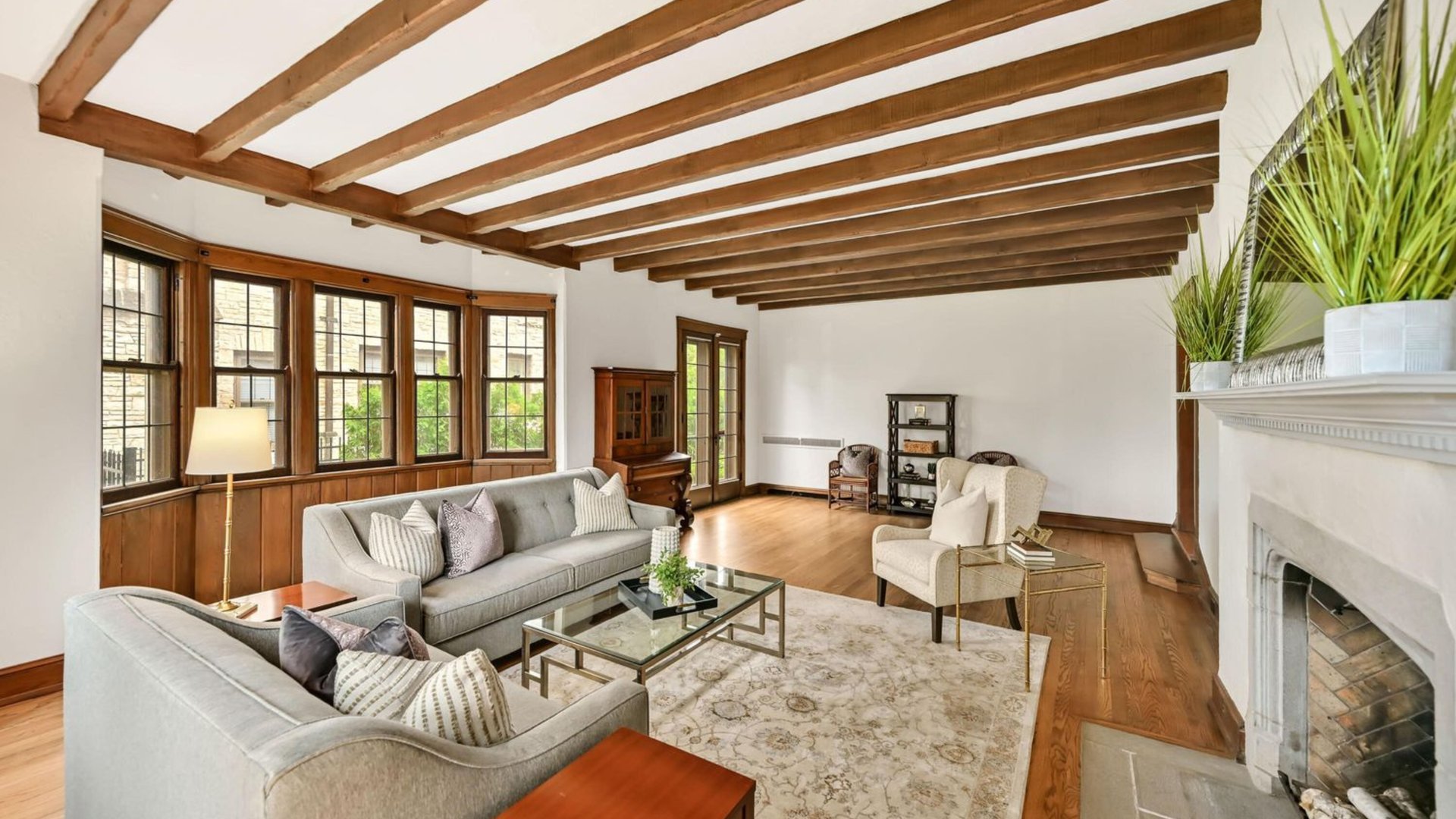
Luxury homeownership often comes with lifestyle-related expenses.
These may not appear on a closing statement, but they affect the real cost of ownership.
A buyer may need to budget for:
Interior design
Custom furniture
Window treatments
Art installation
Home automation
Security monitoring
Private landscaping
Seasonal decor
Wine storage
Dock or boat-related expenses
Club memberships
Cleaning and housekeeping
Guest accommodations
Event hosting
Specialty insurance riders
A $2M+ home is often designed to be enjoyed.
That enjoyment may involve additional spending.
For some buyers, these costs are expected and worthwhile.
For others, they can be surprising if not considered early.
The goal is not to discourage luxury ownership. It is to help buyers enter the process with clarity.
A well-planned purchase feels more confident because the buyer understands the full picture.
Financing a Luxury Home Can Be More Complex

Many luxury buyers pay cash or make large down payments.
Others use jumbo financing or custom lending strategies.
Either way, the process may be more detailed than a standard mortgage.
Luxury financing may involve:
Larger down payment requirements
More detailed asset documentation
Multiple income sources
Business ownership income
Trust or entity ownership
Portfolio-backed lending
Appraisal complexity
Debt-to-income review
Liquidity requirements
Private banking relationships
The Consumer Financial Protection Bureau provides a helpful explanation of jumbo loans for buyers who want to understand why some high-value mortgages fall outside standard conforming loan limits.
For buyers purchasing a $2M+ home in Wisconsin, early lender conversations are important.
A strong pre-approval or proof of funds can also make an offer more competitive, especially when pursuing a rare luxury property.
Opportunity Cost Should Be Considered
Buying a luxury home is both a lifestyle decision and a capital allocation decision.
At the $2M+ level, buyers should consider not only what they are buying, but what else that money could do.
Questions worth asking include:
How long do I plan to own this home?
Is this a primary residence or second home?
Will I use cash, financing, or a combination?
How does this purchase fit into my broader investment strategy?
How much liquidity do I want to preserve?
What improvements will I make after closing?
What annual ownership costs should I expect?
Could this property support long-term resale demand?
For many buyers, the answer still strongly favors ownership.
A home can provide daily value, privacy, security, family connection, and long-term emotional return that other investments cannot.
But luxury buyers should make the decision intentionally.
The home should fit the buyer’s lifestyle and financial strategy.
Why Representation Matters More at the $2M+ Level

Luxury home purchases are different from standard transactions.
Comparable sales are fewer.
Properties are more unique.
Inspections are more detailed.
Negotiations may involve privacy, timing, furniture, artwork, seller occupancy, repairs, credits, or off-market opportunities.
A buyer needs someone who understands both the emotional and financial side of the decision.
A strong luxury advisor can help with:
Identifying true value
Comparing properties fairly
Understanding neighborhood differences
Evaluating hidden costs
Reviewing inspection strategy
Structuring a competitive offer
Protecting buyer interests
Coordinating with attorneys, lenders, inspectors, and service providers
Planning for resale considerations
The Sewart Group brings local expertise, market knowledge, and luxury transaction experience to buyers navigating Wisconsin’s high-end market. Buyers who want to better understand the team can learn more through Karine Sewart’s profile.
At this level, representation is not simply about opening doors.
It is about helping buyers make a confident, informed decision.
A Practical Hidden Cost Checklist
Before buying a $2M+ home in Wisconsin, buyers should review the following:
This checklist does not replace professional advice.
It simply helps buyers ask better questions before making one of the most important purchases of their lives.
Frequently Asked Questions
What are the hidden costs of buying a luxury home in Wisconsin?
Hidden costs may include property taxes, insurance, inspections, maintenance, landscaping, snow removal, renovation costs, security systems, HOA or condo fees, and specialized services for pools, wells, septic systems, or waterfront features.
Is buying luxury home Wisconsin different from buying a standard home?
Yes. Luxury homes often involve more complex inspections, higher insurance needs, larger tax obligations, custom systems, fewer comparable sales, and more detailed negotiations.
How much should I budget for maintenance on a $2M+ home?
There is no single number because every home is different. However, buyers should expect maintenance costs to be meaningfully higher for larger homes, older estates, lakefront properties, homes with acreage, and properties with pools, extensive landscaping, or specialty systems.
Are property taxes high in Wisconsin?
Wisconsin property taxes can be significant compared with many other states. Buyers should review the current tax bill, local municipality, school district, assessed value, and possible reassessment risk before purchasing.
Should I get extra inspections for a luxury home?
Yes. A standard inspection may not be enough. Depending on the property, buyers may want radon testing, sewer inspection, septic or well inspections, chimney review, roof inspection, structural review, pool inspection, and specialty evaluations.
Final Thoughts
Buying a $2M+ home in Wisconsin can be an extraordinary decision.
It can provide privacy, space, beauty, comfort, and long-term lifestyle value.
But the smartest luxury buyers understand that the purchase price is only part of the story.
Property taxes, insurance, inspections, maintenance, renovations, financing, and lifestyle costs all shape the true cost of ownership.
That does not make luxury homeownership less attractive.
It makes preparation more important.
When buyers understand the full financial picture, they can move forward with greater confidence and fewer surprises.
Whether you are relocating to Wisconsin, upgrading into a larger home, purchasing a second residence, or exploring a private luxury estate, the right guidance matters.
The Sewart Group helps buyers navigate Wisconsin’s luxury real estate market with local insight, discretion, and strategic support. For buyers considering a high-value purchase, a thoughtful conversation before the search begins can make the entire process clearer, smoother, and more successful.
__