
Should I wait to buy a house?
It is one of the most common questions buyers are asking in 2026, especially in the luxury real estate market.
At first, waiting can feel practical. Mortgage rates are still elevated compared with the ultra-low-rate years. Home prices remain high in many desirable communities. Inventory has improved in some markets, but exceptional homes are still limited. For luxury buyers, the decision can feel even more complex because the stakes are higher, the properties are more unique, and the purchase is often tied to lifestyle, family, privacy, long-term planning, and wealth strategy.
But waiting has a cost.
Sometimes that cost is financial.
Sometimes it is emotional.
Sometimes it is the quiet frustration of watching the right home sell to someone else.
For buyers considering a luxury home in Greater Milwaukee, the better question is not simply, “Should I wait to buy a house?”
It is:
What am I actually waiting for, and what could I lose while waiting?
Let’s look at the real cost of waiting to buy luxury real estate.
Waiting Can Feel Safe, but It Is Not Always Risk-Free

Many buyers assume waiting is the conservative choice.
That is not always true.
Waiting may reduce one type of risk, but it can create others. A buyer may avoid buying in an uncertain rate environment, but they may also miss a rare property, face higher prices later, lose negotiating leverage, or find fewer homes that meet their needs.
This is especially true in luxury real estate.
A standard home may have many substitutes.
A luxury home often does not.
A custom estate in Mequon, a historic Lake Drive residence, a refined Whitefish Bay home, or a private River Hills property may not have an identical replacement waiting around the corner.
Luxury homes are defined by scarcity.
They may offer:
Rare architecture
Larger lots
Lake Michigan proximity
Mature landscaping
Historic character
Estate-level privacy
Walkability
Strong school access
Updated luxury finishes
A location that cannot be duplicated
When a buyer waits, they are not only waiting on price or interest rates.
They are taking the risk that the right home may not be available later.
The Mortgage Rate Question

For many buyers, the biggest reason to wait is mortgage rates.
That is understandable.
Mortgage rates affect monthly payments, borrowing power, and the psychology of the market. Freddie Mac’s mortgage data, available through the Federal Reserve Bank of St. Louis, showed the 30-year fixed-rate mortgage average at 6.65% on August 20, 2026. Buyers can track current rate history through FRED’s 30-Year Fixed Rate Mortgage Average.
But waiting for lower rates is not always simple.
If rates fall, more buyers may return to the market.
More demand can create more competition.
More competition can push prices higher for the best homes.
That means a buyer who waits for a lower rate could face a higher purchase price later.
For luxury buyers, this matters because the best properties already attract a limited but serious buyer pool.
A lower-rate environment may not make exceptional homes cheaper.
It may make them more competitive.
Lower Rates May Bring More Competition

Many buyers imagine a future where mortgage rates fall and home prices stay the same.
That may not happen.
When rates decline, buyers who were waiting often re-enter the market at the same time. In desirable neighborhoods, that can create more pressure on limited inventory.
The National Association of REALTORS® reported 4.6 months of inventory nationally in June 2026. That is still below the six-month level often associated with a balanced market. Buyers can review the latest national snapshot through NAR’s Existing-Home Sales Housing Snapshot.
In luxury markets, the number of truly desirable properties can be even more limited.
That means a buyer waiting for a better rate may later compete against:
Other relocating buyers
Cash buyers
Buyers with large down payments
Investors
Second-home buyers
Families targeting specific schools
Executives seeking privacy
Buyers who missed homes earlier in the year
When competition increases, the buyer may lose some of the negotiating leverage they have today.
They may also need to move faster and make stronger offers.
Price Appreciation Can Outweigh Payment Savings

One of the most overlooked costs of waiting is price appreciation.
A buyer may wait because they want a lower monthly payment. But if the home’s value rises while they wait, the savings from a lower rate may be reduced or erased.
Consider a simple example.
This is not a prediction.
It is a reminder that buyers should compare the full equation.
A lower rate does not automatically mean a better deal if home prices, competition, or property quality move against the buyer.
Wisconsin has already seen meaningful price movement over time. The Wisconsin REALTORS® Association’s March 2026 housing report noted that Wisconsin’s median price reached $320,000 in the first quarter of 2026, up 6.7% compared with the first quarter of 2025. Buyers can review the full Wisconsin March 2026 housing report.
In the luxury segment, appreciation varies by property, neighborhood, condition, and scarcity.
But the principle still matters.
Waiting is not free if prices continue rising in the neighborhoods you want most.
The Best Homes Do Not Wait for the Perfect Market
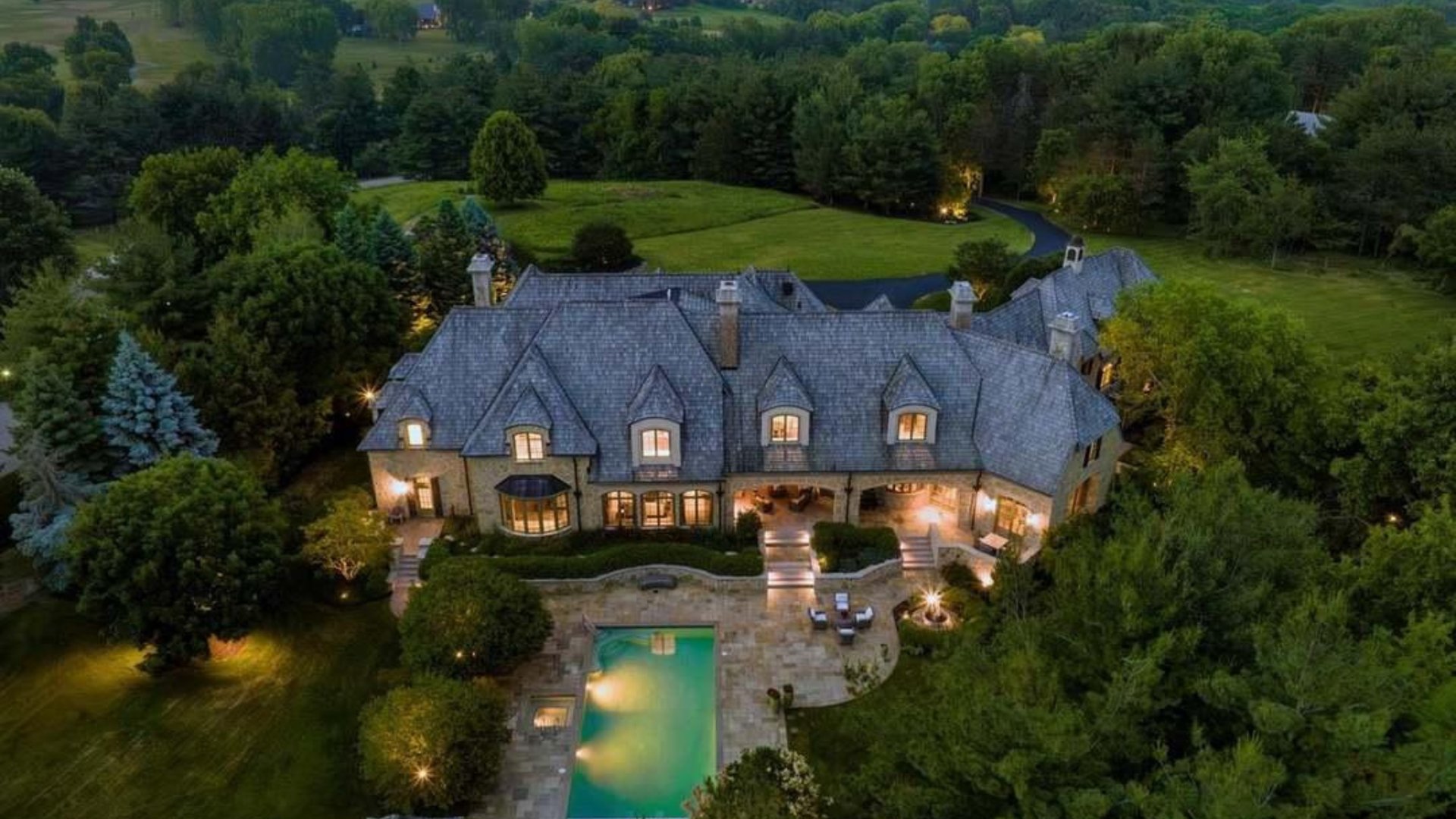
Luxury buyers often say they are waiting for the market to improve.
But the best homes rarely wait for the perfect market.
Exceptional properties tend to move when the right buyer recognizes the opportunity.
That is because luxury real estate is less standardized than the broader housing market.
A buyer may be able to compare several similar homes at lower price points.
At the luxury level, two properties may differ dramatically in:
Lot quality
Views
Architecture
Updates
Privacy
School access
Outdoor space
Floor plan
Condition
Neighborhood reputation
Resale appeal
Long-term scarcity
If a buyer passes on a truly rare property because they are waiting for perfect market conditions, they may not see a similar opportunity again for years.
The Sewart Group’s guide to finding your ideal Milwaukee home explains why the right home search starts with lifestyle, priorities, and clarity, not just timing.
That mindset is especially important for luxury buyers.
A great home is not always replaceable.
Waiting Can Reduce Your Choices

Inventory is one of the most important parts of the buying decision.
A buyer who waits may assume more homes will become available later.
Sometimes that happens.
But not always in the neighborhoods or property categories that matter most.
In luxury real estate, buyers may be looking for very specific combinations:
Lake proximity and privacy
A large lot in Mequon
A historic home in Whitefish Bay
A walkable Shorewood location
A newer construction home in Elm Grove
A downtown condo with views
A River Hills estate
A turnkey home with no major renovations needed
The more specific the criteria, the harder the search becomes.
Waiting may produce more listings overall, but not necessarily more of the right listings.
For buyers with children, school timing may also matter. A delay can affect enrollment plans, moving schedules, and family transition timing.
For executives, waiting can affect relocation plans, work routines, travel schedules, and household logistics.
A home purchase is not only a financial event.
It is a life event.
The Cost of Renting or Staying Put

Waiting also has a carrying cost.
Some buyers continue renting.
Others remain in a home that no longer fits.
Some delay a relocation, postpone a school transition, or continue managing a commute that no longer makes sense.
Those costs can be harder to measure, but they are real.
A buyer who waits may continue dealing with:
Less space than needed
A poor work-from-home setup
Limited privacy
A longer commute
Temporary housing costs
Storage fees
School uncertainty
Moving delays
Renovation delays
Lifestyle frustration
Missed family time
Less outdoor space
Lack of room for guests or entertaining
Luxury buyers often purchase because the home improves daily life.
That daily value should not be ignored.
A home with the right office, outdoor space, privacy, layout, and location can create immediate lifestyle benefits.
Waiting may delay those benefits for months or years.
Property Taxes, Insurance, and Ownership Costs Still Need Planning

Some buyers wait because they are concerned about the total cost of ownership.
That concern is valid.
Luxury homes come with property taxes, insurance, maintenance, landscaping, repairs, utilities, and potential renovation expenses.
In Wisconsin, property taxes are a meaningful part of the ownership equation. Buyers can use the Wisconsin Department of Revenue’s property tax resources to better understand how property taxes are assessed, paid, and managed.
But waiting does not eliminate ownership costs.
It only delays them.
In some cases, waiting may actually make them harder to manage if purchase prices, insurance premiums, labor costs, or renovation expenses continue to rise.
The smarter approach is not necessarily to wait.
It is to buy with full awareness.
Luxury buyers should understand:
Current tax bill
Assessment history
Insurance availability
Maintenance expectations
Renovation needs
Utility costs
HOA or condo fees
Landscaping and snow removal
Long-term capital improvements
Resale considerations
A well-planned purchase can be more effective than indefinite waiting.
Negotiating Power May Be Better Before the Crowd Returns

In some market conditions, buyers who act sooner may have more negotiating room than those who wait until demand returns more aggressively.
When some buyers are hesitant because of rates, motivated sellers may be more open to:
Price negotiation
Closing date flexibility
Inspection discussions
Repair credits
Seller concessions
Longer due diligence periods
Creative terms
Furniture or fixture inclusions
That does not mean every seller will negotiate.
Many luxury sellers are patient and financially secure.
But a buyer in a less crowded market may still have a better opportunity to structure a thoughtful offer.
When rates fall and more buyers re-enter, sellers of exceptional homes may become less flexible.
This is one of the hidden costs of waiting.
The future market may feel more comfortable on paper, but it may give buyers less leverage in practice.
Cash and High-Equity Buyers Should Think Differently

The question “Should I wait to buy a house?” is not the same for every buyer.
A buyer relying heavily on financing may be more sensitive to rate changes.
A cash buyer or high-equity buyer may have more flexibility.
Many luxury buyers make substantial down payments or purchase without traditional financing. For these buyers, waiting for mortgage rates to improve may be less important than securing the right property at the right price.
High-equity buyers should focus carefully on:
Property scarcity
Long-term value
Lifestyle fit
Opportunity cost
Negotiating leverage
Tax planning
Estate planning
Timing of sale or relocation
Renovation needs
Resale appeal
For these buyers, the cost of missing the right property may be greater than the benefit of waiting for a slightly different market.
The Sewart Group’s guide to buying a home in Milwaukee offers a useful overview of how strategic preparation can make the purchase process smoother and more confident.
The Emotional Cost of Waiting

Not every cost appears on a spreadsheet.
There is also the emotional cost of waiting.
A family may spend another year in a home that feels too small.
An executive may continue working from an inadequate office.
A couple may delay hosting family gatherings.
A relocating buyer may feel stuck between two cities.
A downsizer may keep maintaining a home that no longer fits.
A second-home buyer may lose another season of use.
Luxury real estate is deeply tied to quality of life.
That does not mean buyers should rush.
It means they should recognize that waiting has lifestyle consequences.
The right home can create:
Better daily routines
More privacy
More comfort
More space
Better entertaining
Stronger family connection
Easier work-from-home life
Better access to schools or amenities
A calmer sense of place
Greater long-term confidence
For many buyers, those benefits are part of the return.
When Waiting Might Make Sense

Waiting is not always wrong.
There are situations where patience is the right move.
A buyer may want to wait if:
Their financial picture is not ready
They are unsure about relocation plans
They have not defined the right neighborhood
They need to sell another property first
They are uncomfortable with ownership costs
They do not have a clear lifestyle goal
They are hoping for a very specific property type
Their timing depends on school, work, or family needs
They have not assembled the right advisor, lender, and inspection team
Waiting can be wise when it is strategic.
It becomes costly when it is vague.
There is a big difference between saying:
“We are waiting until our Chicago home sells and then buying in Mequon.”
And saying:
“We are waiting to see what happens.”
The first is a plan.
The second is uncertainty.
Luxury buyers should avoid letting uncertainty become a default strategy.
When Buying Sooner May Be the Smarter Move

Buying sooner may make sense when the right property appears and the buyer is financially prepared.
This is especially true when the property has features that are difficult to duplicate.
Examples include:
Lake Michigan frontage
A rare lot size
A specific school district
Walkable luxury location
Architectural distinction
Turnkey condition
Strong privacy
A limited-inventory neighborhood
A price that reflects fair value
A home that solves a major lifestyle need
At that point, the decision should focus less on short-term market timing and more on long-term fit.
A buyer who plans to own for many years may be less affected by short-term fluctuations than someone trying to time a short-term trade.
In luxury real estate, the best decisions are often made by buyers who are prepared before the right opportunity appears.
A Practical Buyer Decision Framework

Before deciding whether to wait, luxury buyers should ask:
This framework can make the decision clearer.
It does not force buyers to act.
It helps them understand the tradeoffs.
Why Local Market Insight Matters
National headlines can be useful, but they rarely tell the full story.
A national article may say inventory is rising.
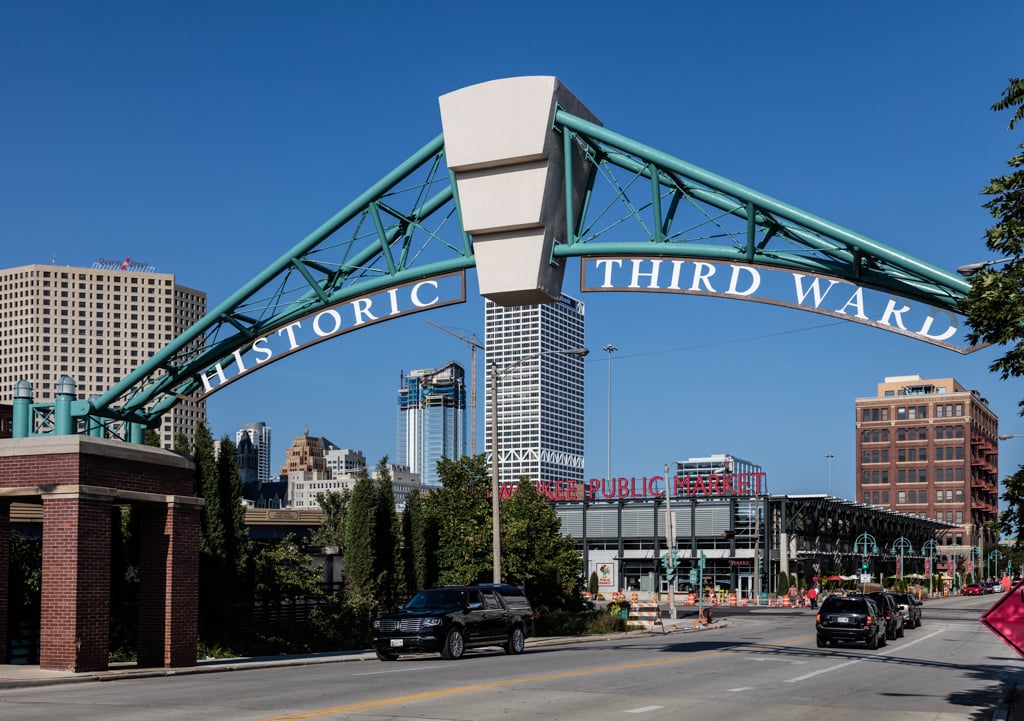
That does not mean the exact type of home you want is available in Whitefish Bay, Mequon, Shorewood, Fox Point, River Hills, Elm Grove, or the Historic Third Ward.
A national report may say buyers have more leverage.
That does not mean the seller of a rare lakefront home will negotiate aggressively.
A national mortgage rate update may suggest waiting.
That does not mean the best local opportunity will still be available when rates change.
Luxury buyers need local interpretation.
The Sewart Group’s market insights help buyers and sellers understand local trends, neighborhood dynamics, and timing considerations across the Greater Milwaukee luxury market.
At the high end, real estate is local, specific, and property-driven.
The right advisor helps buyers understand not only the market, but the individual opportunity.
Frequently Asked Questions
Should I wait to buy a house in 2026?
It depends on your financial readiness, lifestyle needs, target neighborhood, and how specific your home search is. Waiting may make sense if you are not prepared, but it can also cost you if prices rise, competition increases, or the right home sells before you act.
Is waiting for lower mortgage rates a good strategy?
It can be, but it is not guaranteed to produce a better result. If rates fall, buyer demand may increase, which can create more competition and potentially higher prices for desirable homes.
Do luxury buyers need to worry about timing the market?
Luxury buyers should understand market timing, but the right property often matters more. Because luxury homes are more unique, waiting for perfect conditions may mean missing a rare opportunity.
What is the biggest risk of waiting to buy luxury real estate?
The biggest risk is losing access to a property that cannot easily be replaced. In luxury markets, homes may differ significantly by location, architecture, privacy, lot quality, and lifestyle value.
When does it make sense to buy now instead of waiting?
It may make sense to buy sooner if you are financially prepared, the home fits your long-term lifestyle, the location is scarce, and the property offers features that are difficult to duplicate.
Final Thoughts
The question “Should I wait to buy a house?” does not have one universal answer.
For luxury buyers, the better question is whether waiting improves your position or simply delays your life.
Waiting may feel safe, but it can come with real costs: higher prices, more competition, fewer choices, lost negotiating leverage, delayed relocation plans, and the possibility of missing a truly exceptional home.
That does not mean buyers should rush.
It means they should prepare.
Know your budget.
Understand your target neighborhoods.
Clarify your lifestyle priorities.
Evaluate the true cost of ownership.
Watch the market closely.
And when the right property appears, be ready to act with confidence.
Luxury real estate rewards clarity more than hesitation.
The Sewart Group helps buyers navigate the Greater Milwaukee luxury market with local expertise, market insight, and personalized guidance. Whether you are deciding whether to buy now or wait, the right conversation can help you understand the real tradeoffs and move forward with confidence.
__