Generational wealth real estate is no longer a distant trend.
It is already reshaping how affluent families think about property, legacy, lifestyle, and long-term investment.
For years, economists and wealth advisors have discussed the Great Wealth Transfer. The idea is simple, but powerful: trillions of dollars in assets are moving from older generations to Gen X, millennials, Gen Z, charities, family offices, trusts, and next-generation decision-makers.
That shift is not only affecting financial portfolios.
It is affecting real estate.
In Milwaukee’s luxury market, the impact may be especially meaningful. High-net-worth families are not only buying homes to live in. They are buying properties to preserve wealth, support family transitions, create privacy, accommodate multiple generations, and build long-term lifestyle value.
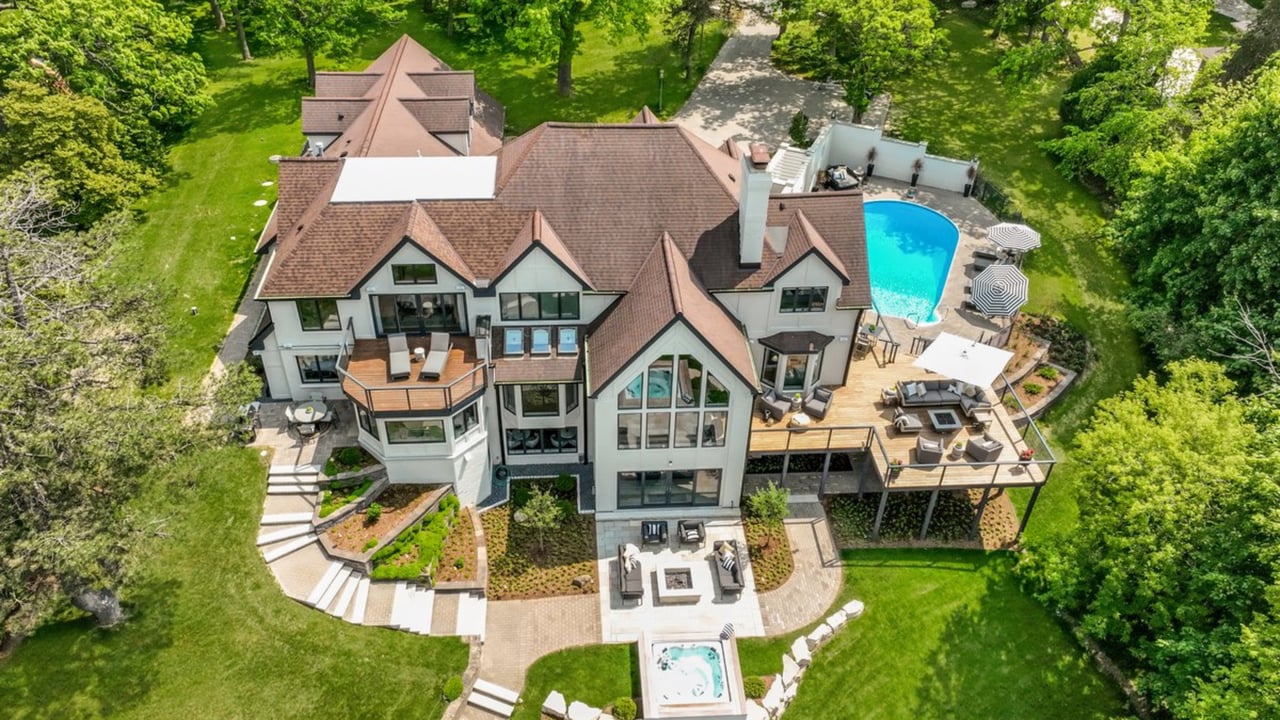
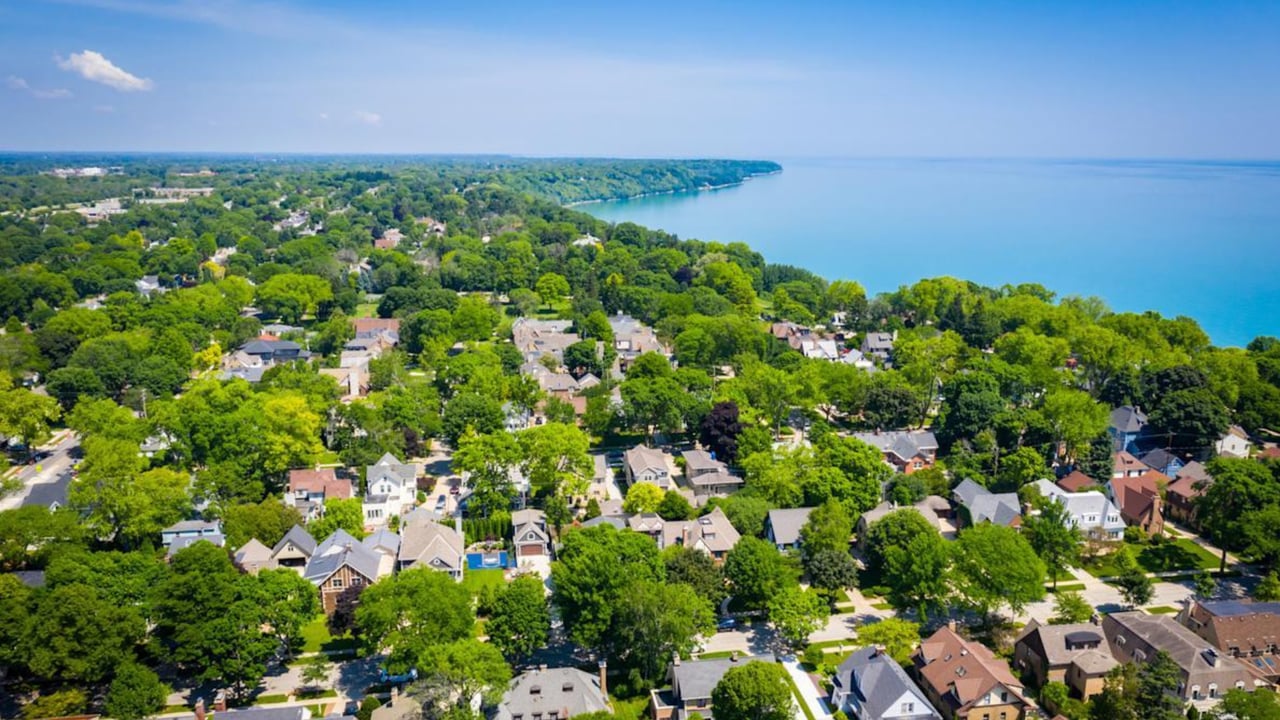
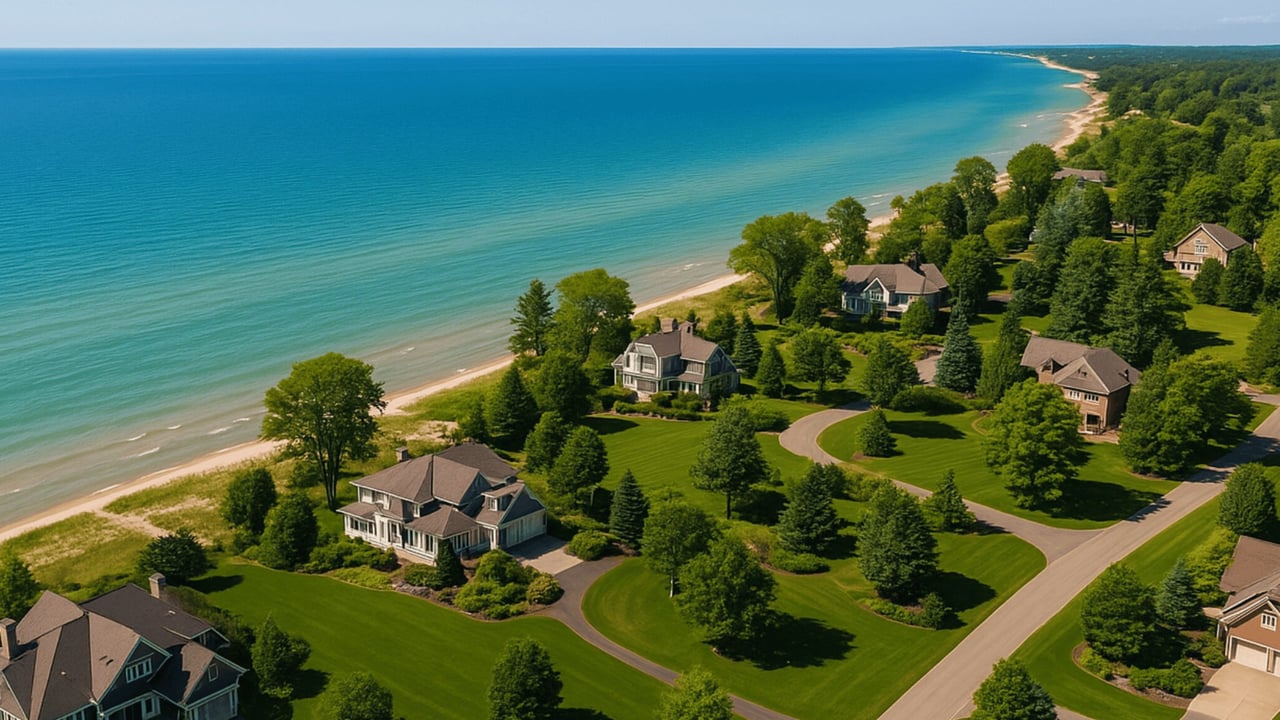
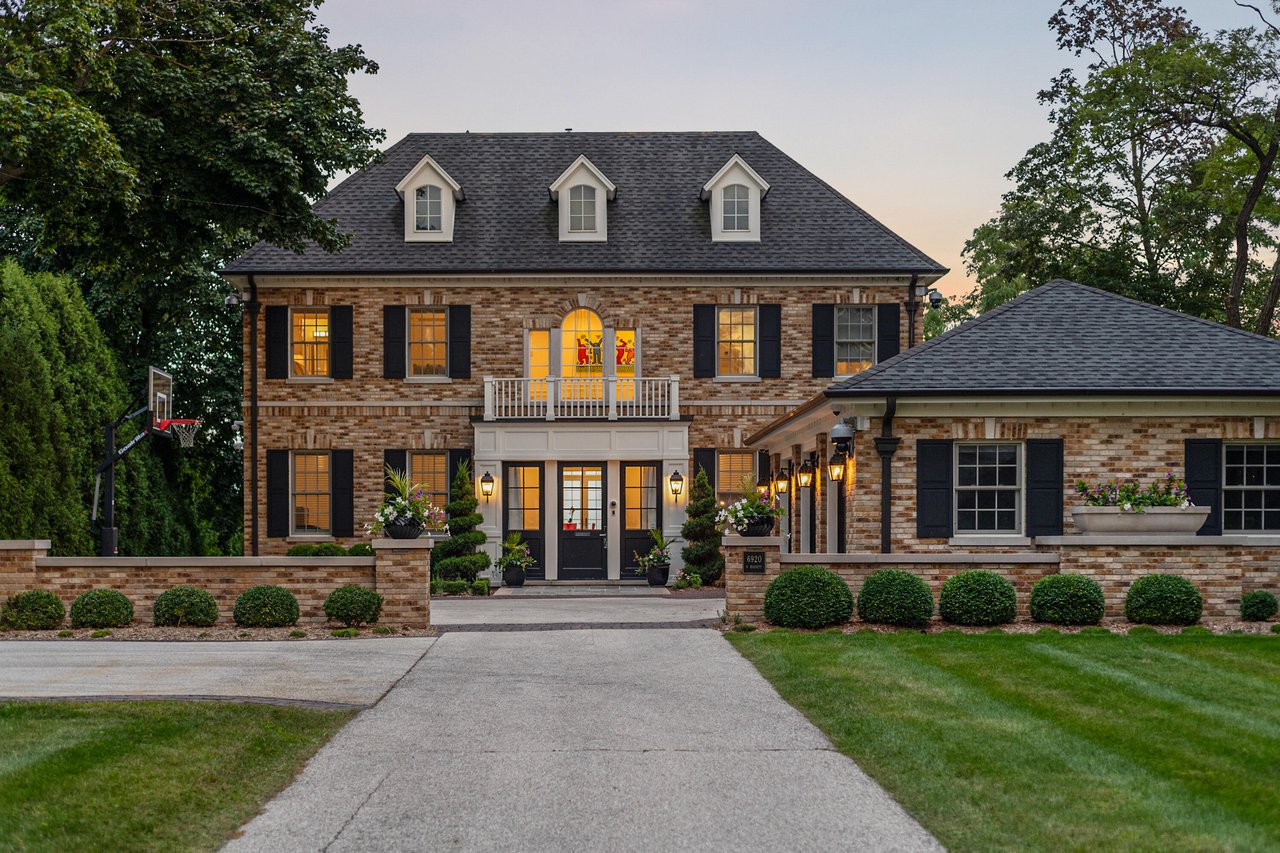
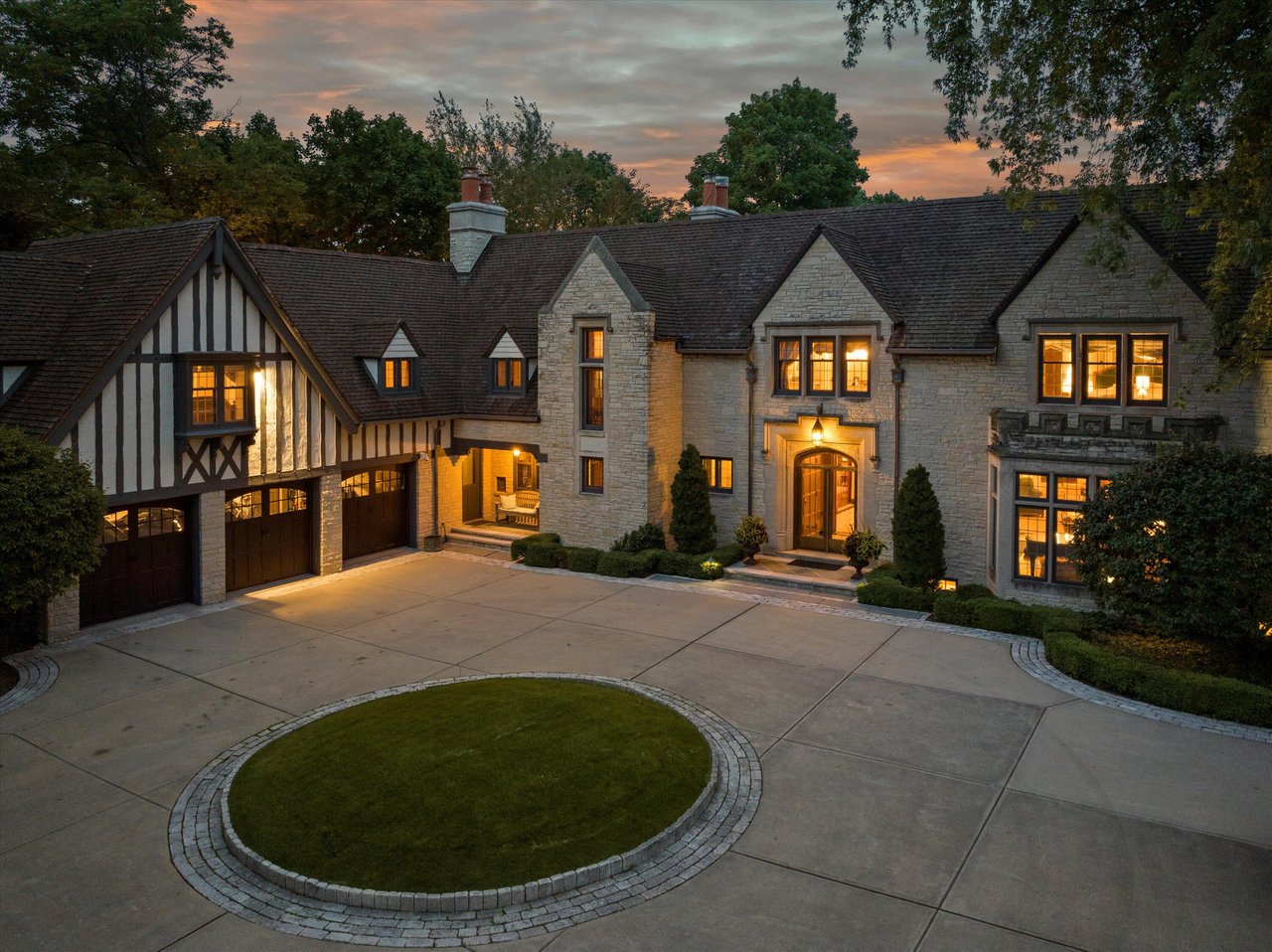
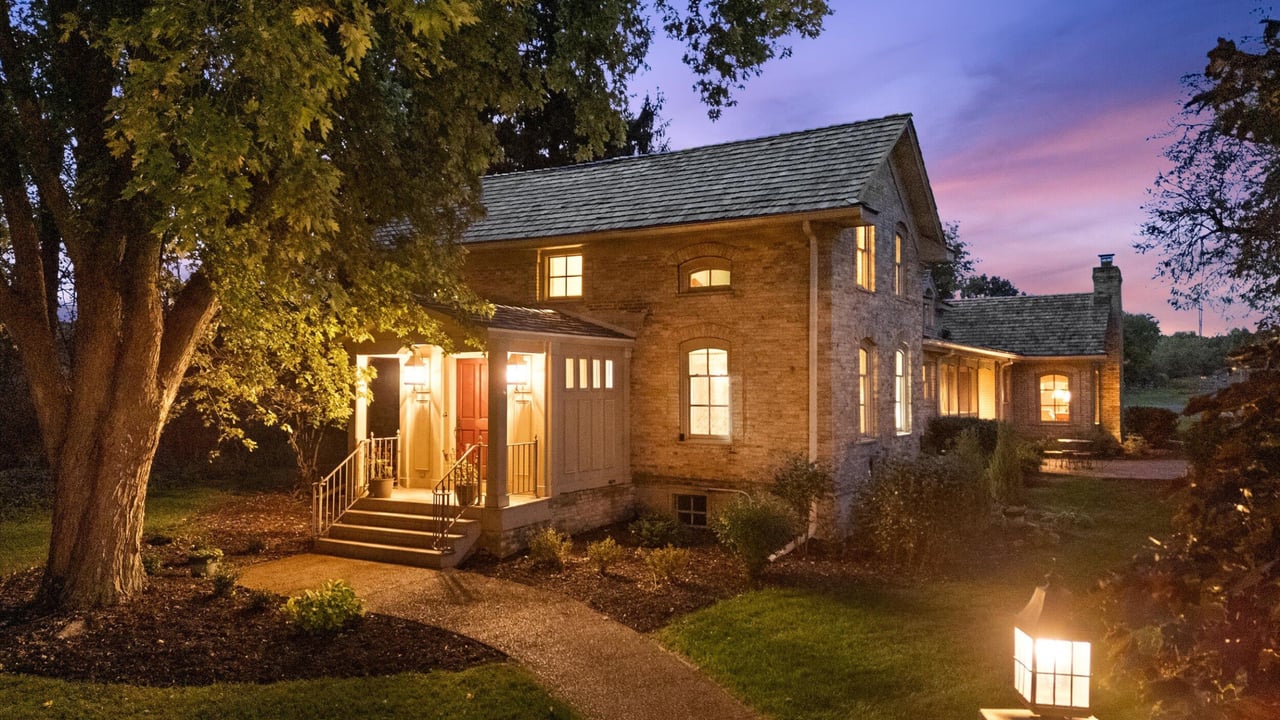
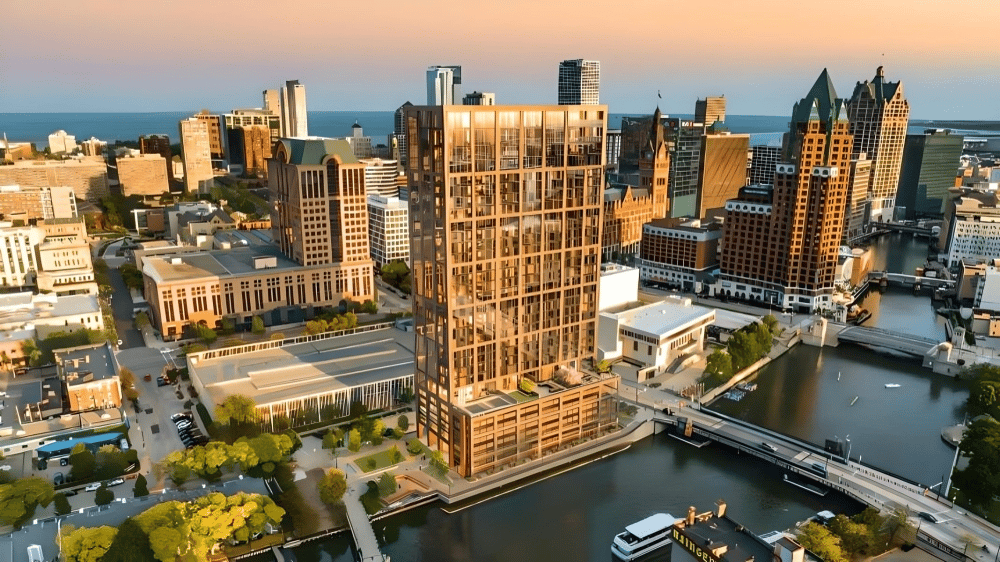
A Lake Michigan residence, a Mequon estate, a River Hills retreat, a Whitefish Bay classic home, or a downtown Milwaukee luxury condo can all play a role in how families transfer, protect, and enjoy wealth.
The question is no longer whether generational wealth will influence real estate.
The question is:
How will it shape Milwaukee’s luxury housing market over the next decade?
Let’s take a closer look.
The Great Wealth Transfer Is Already Underway

The Great Wealth Transfer is one of the largest financial shifts in modern history.
Cerulli Associates projects that U.S. wealth transferred through 2048 will total approximately $124 trillion, with about $105 trillion expected to flow to heirs and $18 trillion expected to go to charity. That gives families, advisors, and real estate professionals a new framework for thinking about high-value property decisions.
This is not only about inheritance after death.
Increasingly, wealth is being transferred earlier through down payment assistance, family support, trust planning, shared purchases, second-home acquisitions, and multigenerational real estate decisions.
Bank of America’s 2026 Study of Wealthy Americans notes that the wealth transfer is already underway and that Gen Z and millennial investors are participating more actively in high-net-worth investing and wealth-building activity.
That matters for Milwaukee luxury real estate because younger affluent buyers often think differently from previous generations.
They may still value privacy, location, and architecture.
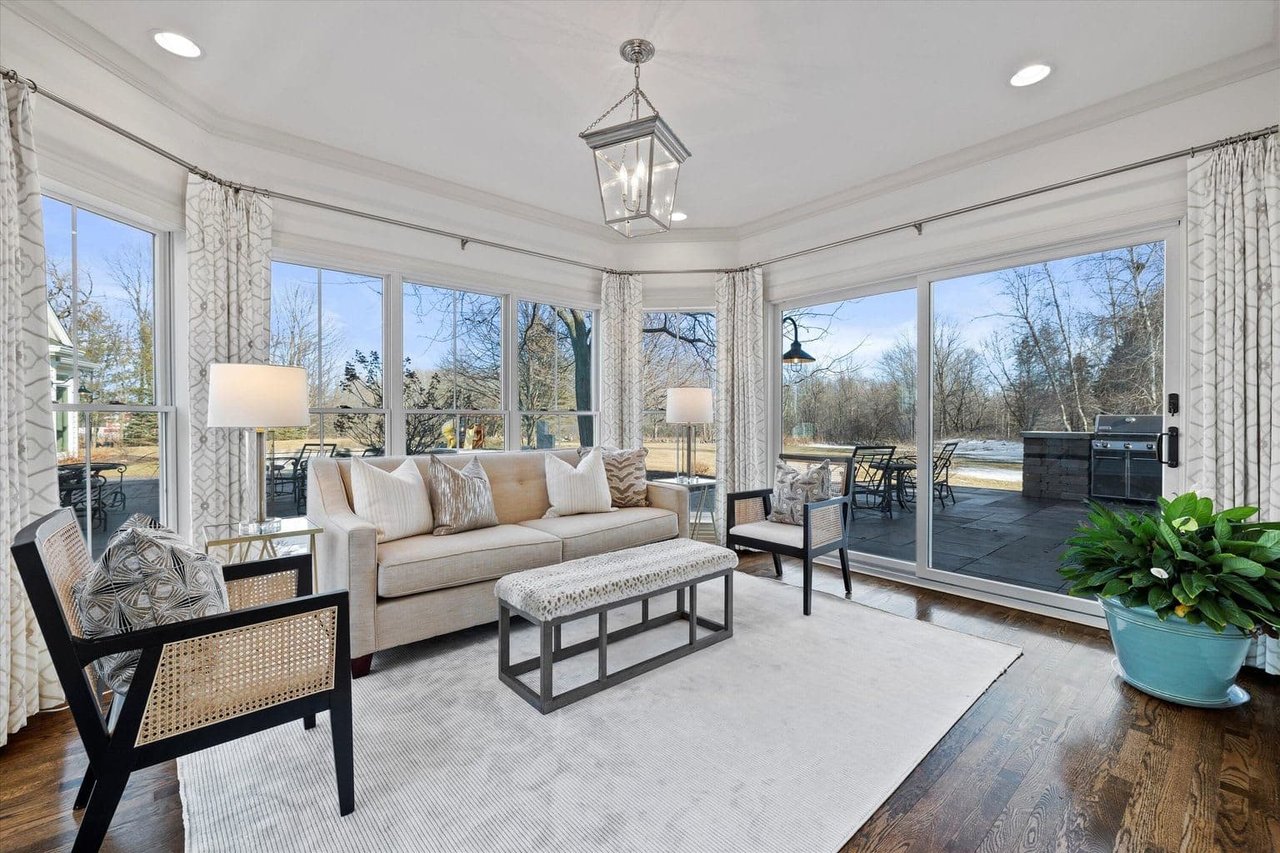
But they may also place greater emphasis on lifestyle design, flexibility, wellness, sustainability, technology, remote work, and homes that can serve multiple purposes over time.
Why Real Estate Is Central to Generational Wealth

Real estate has always been one of the most visible forms of family wealth.
It is tangible.
It can be used.
It can appreciate.
It can generate rental income.
It can support lifestyle.
It can be transferred, inherited, gifted, or held in trust.
For affluent families, real estate may represent more than an asset on a balance sheet.
It may represent memory, identity, status, privacy, and family continuity.
A luxury home can function as:
A primary residence
A second home
A family gathering place
A long-term wealth preservation asset
A retirement transition property
A multigenerational estate
A future inheritance
A trust-held asset
A lifestyle investment
A legacy property
That is why the rise of generational wealth real estate matters.
Families are not only asking what a home costs.
They are asking how it fits into a broader financial and personal plan.
The Sewart Group’s guide for high-net-worth individuals in Milwaukee real estate explains why affluent buyers often evaluate property through the lens of lifestyle alignment, wealth preservation, privacy, and long-term value.
Younger Affluent Buyers Are Redefining Luxury

As wealth moves to younger generations, the definition of luxury is also changing.
Older luxury buyers may have focused heavily on size, prestige, land, and traditional design.
Those factors still matter.
But younger high-net-worth buyers often add new priorities to the list.
They may want:
Flexible home offices
Wellness rooms
Smart home technology
Energy-efficient systems
Outdoor entertaining spaces
Guest suites
Multigenerational layouts
Walkability
Modern kitchens
Spa-like bathrooms
Low-maintenance luxury
Strong privacy
Architectural character
Proximity to dining, culture, and travel
Coldwell Banker Global Luxury’s 2026 trend report says Gen X and millennials are reframing luxury through lifestyle choices, intentional investment, and a renewed interest in distinctive, high-functioning homes. It also projects that Gen X and millennials will inherit $2.4 trillion in U.S. real estate wealth over the next 10 years. Buyers can review the summary through the Coldwell Banker Global Luxury 2026 Trend Report.
For Milwaukee, this creates a unique opportunity.
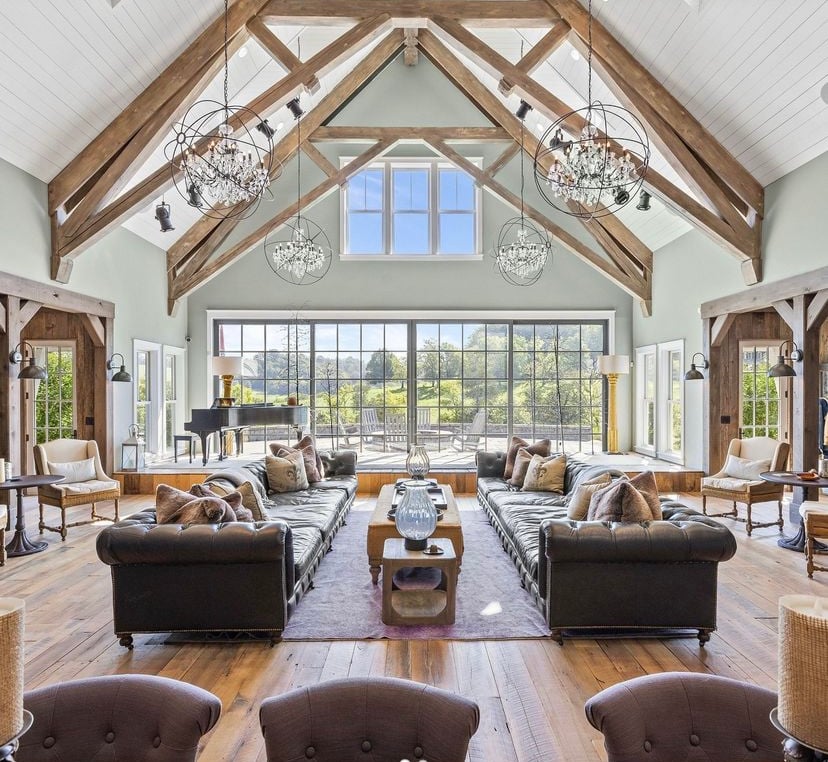
The region offers exactly the kinds of homes younger affluent buyers may find attractive: distinctive architecture, more space for the money, established neighborhoods, Lake Michigan access, privacy, and a calmer lifestyle than many larger metro markets.
Milwaukee May Benefit From Value-Conscious Wealth
Generational wealth does not always lead buyers to overspend.
In many cases, it makes buyers more strategic.
Younger affluent buyers who inherit wealth may still be cautious, analytical, and value-conscious. They may compare lifestyle, cost of ownership, taxes, square footage, privacy, school access, and future resale potential before making a move.
That could benefit Milwaukee.
Compared with many coastal luxury markets, Milwaukee can offer:
More home for the money
Larger lots
Lake Michigan proximity
Historic architecture
Strong privacy
Lower density
Established communities
Access to Chicago
A calmer daily pace
Strong lifestyle value
Visa’s 2026 analysis of the wealth transfer estimates that about $36 trillion in baby boomer wealth will pass to Gen X and millennial heirs over the next 20 years after accounting for debt, retirement spending, taxes, fees, and charitable giving. The same analysis notes that housing is one of the categories where inherited wealth is already influencing spending. Readers can explore Visa’s Great Wealth Transfer reality check.
This is important because not all inherited wealth will be used for trophy purchases.
Some will be used to buy smarter.
Milwaukee’s relative value may appeal to buyers who want a meaningful luxury lifestyle without the extreme pricing pressure of larger coastal markets.
The Family Home May Become a Strategic Asset

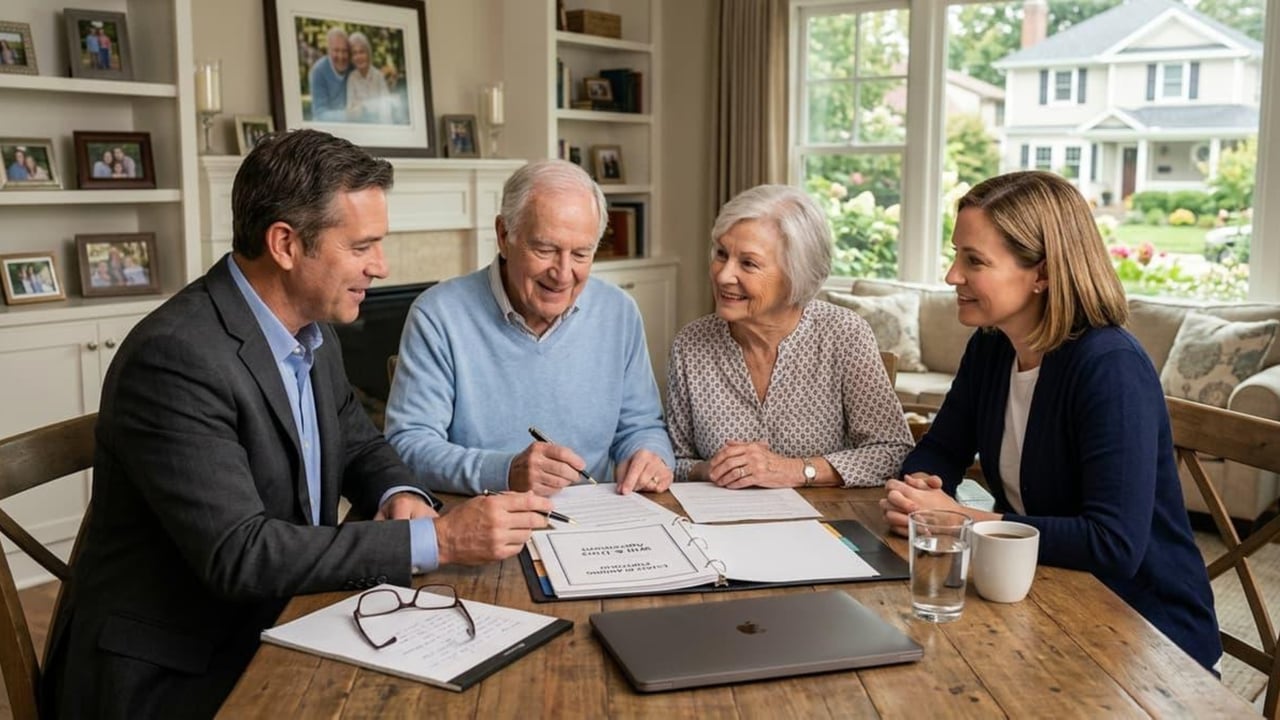
For many families, the luxury home itself becomes part of the wealth transfer conversation.
Parents may be deciding whether to sell, gift, hold, renovate, or pass down a home.
Adult children may be deciding whether to keep an inherited property, move into it, rent it, sell it, or use it as a shared family residence.
These conversations can be complex.
A family home may carry emotional significance, but it also carries financial responsibilities.
Families may need to consider:
Property taxes
Insurance
Maintenance
Renovation needs
Estate planning
Capital gains considerations
Trust ownership
Sibling coordination
Future use
Market timing
Resale potential
Liquidity needs
A luxury property can be a blessing, but it can also become a burden without proper planning.
That is why generational wealth real estate requires both emotional intelligence and strategic guidance.
A home may be inherited by multiple heirs with very different goals.
One may want to keep it.
Another may want to sell.
Another may live out of state.
Another may not want to carry the expenses.
For Milwaukee-area luxury properties, understanding market value, buyer demand, condition, and timing can help families make better decisions.
Multigenerational Living May Influence Home Design

The wealth transfer is also changing what families want from luxury homes.
More buyers are thinking about how a home can support multiple generations at different stages of life.
The National Association of REALTORS® reported in its 2026 generational trends release that 14% of all buyers purchased a multigenerational home, with reasons including caring for aging parents, cost savings, and adult children moving back home. The report also noted that baby boomers remained the largest generational group of home buyers. Readers can review NAR’s 2026 Home Buyers and Sellers Generational Trends release.
In Milwaukee’s luxury market, this may increase demand for homes with:
Main-floor primary suites
Guest suites
Carriage houses
Finished lower levels
Separate entrances
Larger kitchens
Multiple living areas
Home offices
Elevator-ready layouts
Private outdoor spaces
Expanded garages
Flexible rooms
This is especially relevant in communities such as Mequon, River Hills, Elm Grove, Fox Point, and Bayside, where larger properties may more easily support multigenerational living.
Luxury buyers are no longer thinking only about today’s household.
They are thinking about how the home may serve parents, adult children, grandchildren, guests, caregivers, and future family needs.
Trusts, Estates, and Private Sales Will Matter More

As wealth moves between generations, more luxury transactions may involve trusts, estates, family entities, attorneys, financial advisors, and private decision-making.
That can make the real estate process more complex.
A typical transaction may involve one buyer and one seller.
A generational wealth transaction may involve:
Multiple heirs
Trustees
Estate attorneys
CPAs
Financial advisors
Private bankers
Family offices
Executors
Out-of-state beneficiaries
Appraisers
Real estate advisors
These transactions require discretion, organization, and careful communication.
In some cases, families may prefer a quieter selling process to avoid unnecessary exposure.
In other cases, a public market launch may be the best way to maximize value.
The right strategy depends on the property, family goals, timing, and market conditions.
The Sewart Group’s guide on selling a home discreetly without sacrificing price explains why privacy and pricing strategy can both matter for high-value homeowners.
For families managing inherited or trust-held property, that balance can be especially important.
Luxury Buyers May Use Wealth Earlier, Not Later

One important trend is that wealth is not only transferring through inheritance.
It is also being shared earlier.
Parents and grandparents may help younger family members purchase homes, upgrade into better school districts, buy second homes, or secure properties before prices rise further.
This can influence Milwaukee’s luxury market in several ways.
Younger buyers may enter higher price points earlier than expected.
Families may purchase homes together.
Parents may help children compete with cash or stronger down payments.
Grandparents may support multigenerational housing decisions.
Trusts may be used to purchase or hold property.
This does not mean every younger buyer is suddenly wealthy.
But it does mean that family capital can change how some buyers compete.
NAR’s 2026 report on equity-rich buyers and sellers notes that 26% of younger millennials received down payment help in the form of a gift or loan from a friend or relative. Readers can review NAR’s article on equity-rich buyers and sellers driving today’s housing market.
For luxury sellers, this matters because the buyer profile may be changing.
A serious buyer may be younger than expected.
Their funds may come from family support, trust planning, business liquidity, or a combination of sources.
Milwaukee’s Luxury Market Is Well Positioned for Legacy Buyers
Legacy buyers think differently.
They are not only looking for a home that looks impressive today.
They are looking for a property that can serve their family over time.
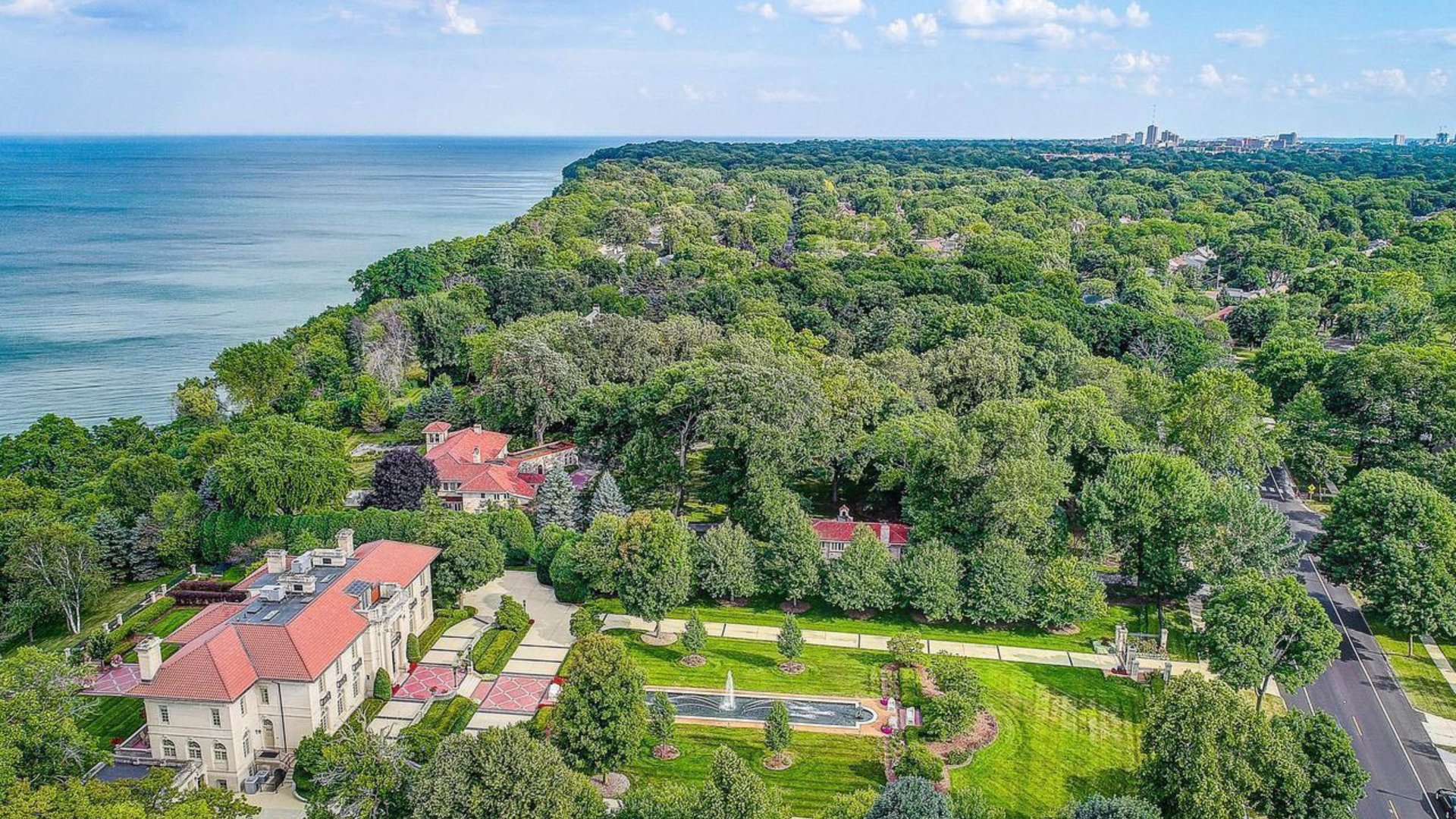
Greater Milwaukee has several features that appeal to this type of buyer.
This is why Milwaukee may appeal to families thinking beyond a single transaction.
A luxury home here can be a place to live, gather, host, work, retreat, and eventually transfer.
The Sewart Group’s page on Notable Sales offers a look at the types of distinctive properties that have shaped high-end ownership across the region.
Sellers Should Understand the Next Buyer
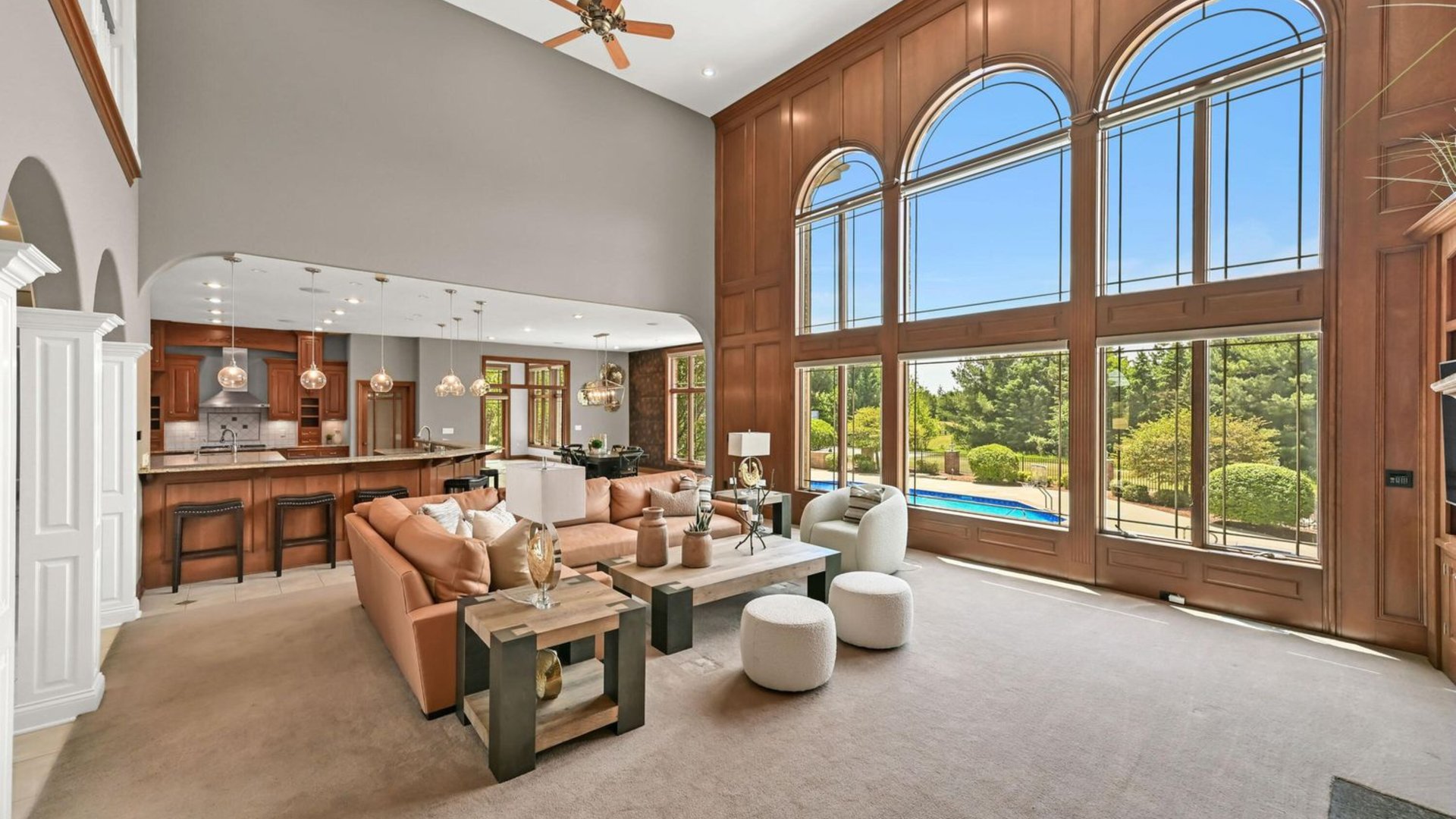
For luxury sellers, the wealth transfer creates a new question:
Who is the future buyer?
It may not be the same buyer profile from 10 or 15 years ago.
A future buyer may be younger, more design-conscious, more wellness-focused, more technology-driven, more privacy-aware, and more interested in flexible living.
That means sellers may need to think carefully about presentation.
Homes that feel dated, overly personalized, or difficult to adapt may face more resistance.
Homes that offer strong fundamentals can stand out.
These include:
Updated kitchens
Modern bathrooms
Flexible floor plans
Main-floor living options
Guest suites
Home offices
Wellness spaces
Outdoor entertaining areas
Strong internet and technology infrastructure
Energy-efficient systems
High-quality landscaping
Clear privacy
Strong curb appeal
Sellers should not assume that every luxury buyer wants the same traditional features.
Younger affluent buyers may appreciate history and architecture, but they often want homes that function for modern life.
The Sewart Group’s page for selling luxury homes in Greater Milwaukee can help homeowners understand how preparation, pricing, and marketing strategy influence buyer perception.
Buyers Should Think Like Future Heirs

Buyers using inherited wealth should think carefully before making a luxury purchase.
The right home can strengthen quality of life and long-term value.
The wrong home can create unnecessary costs, conflict, or complexity.
Before buying, families should ask:
Will this home serve us for the next 10 years?
Could it support multiple generations if needed?
Are maintenance costs sustainable?
Does the property have long-term resale appeal?
Is the location difficult to duplicate?
How will the home be titled?
Should a trust or entity be involved?
What are the tax implications?
Does every decision-maker understand the plan?
Will future heirs want this property?
These questions are not meant to slow the process unnecessarily.
They are meant to create clarity.
Generational wealth real estate is most successful when lifestyle, financial planning, and family expectations are aligned.
A beautiful home can become a lasting asset when it is chosen thoughtfully.
Neighborhoods That May Benefit From Generational Wealth
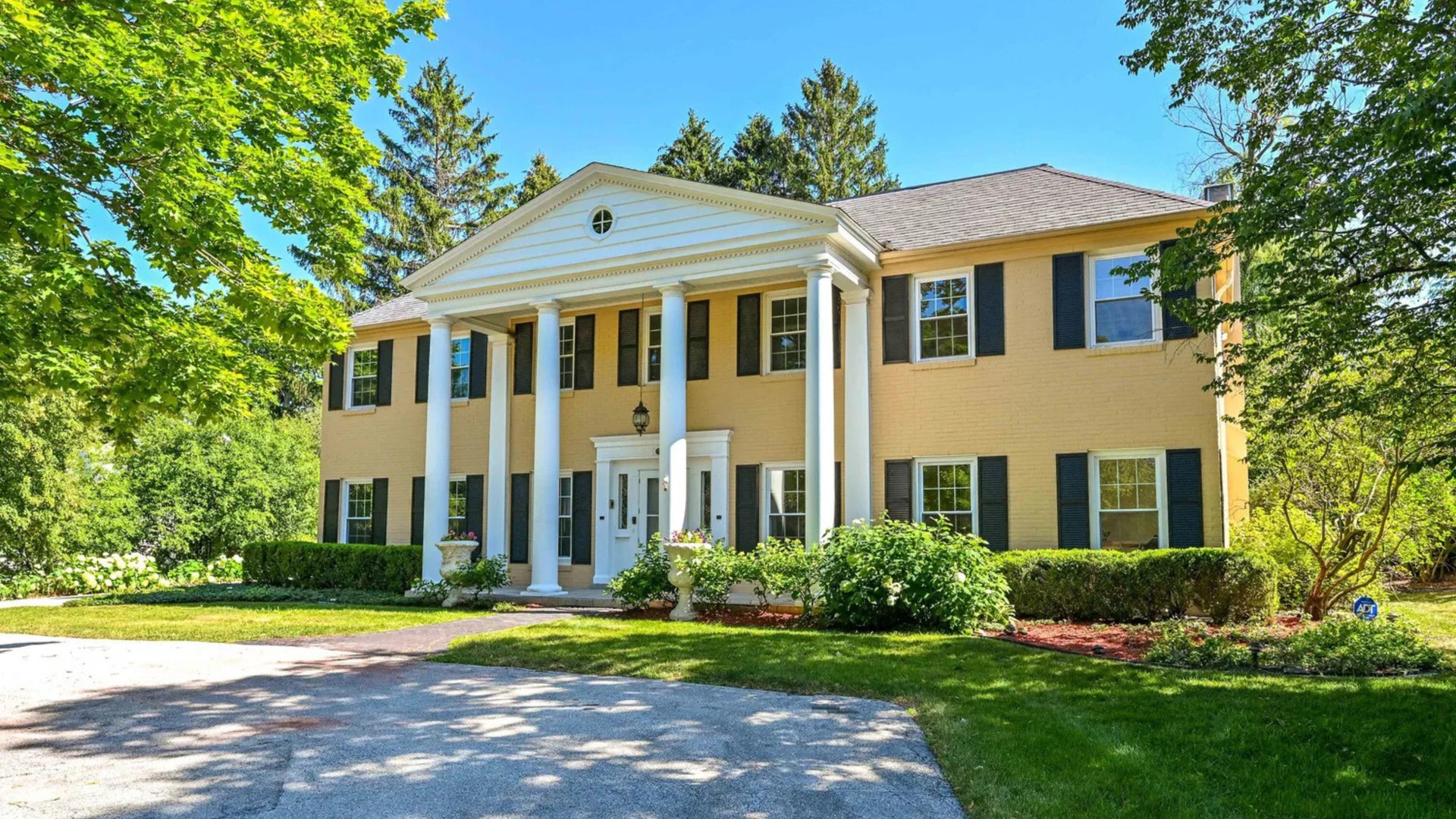
Not every Milwaukee-area neighborhood will be affected in the same way.
Generational wealth may be especially relevant in areas where homes offer scarcity, privacy, family appeal, or legacy value.
Each of these areas offers something that cannot be easily replicated.
That is the core of long-term luxury value.
When family wealth enters the market, buyers often look for properties that feel meaningful, scarce, and durable.
Milwaukee has many neighborhoods that fit that profile.
The Role of Second Homes and Family Retreats
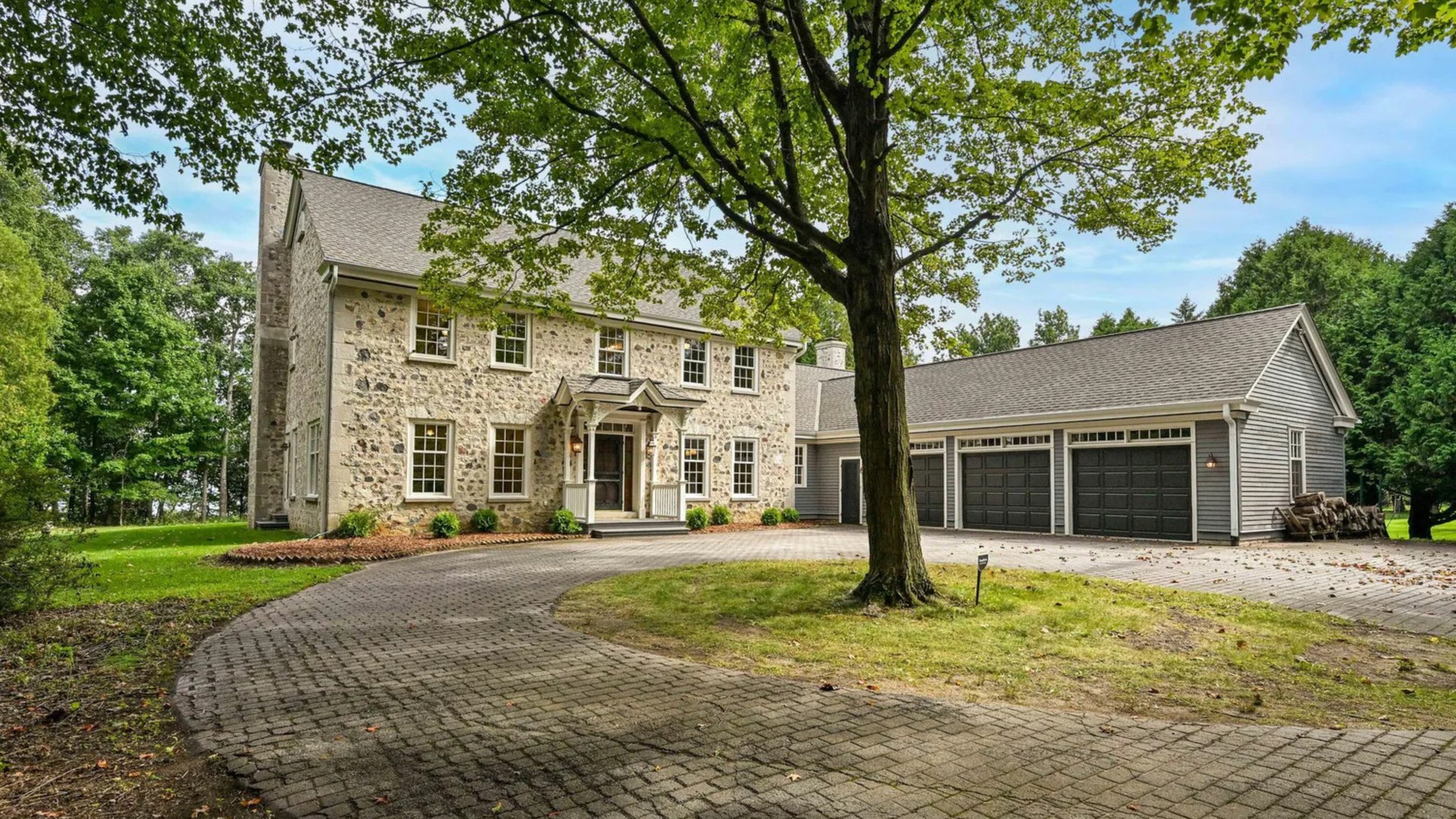
Generational wealth can also increase demand for second homes and family retreat properties.
Some families may not want a traditional vacation home in Florida, Colorado, or the Hamptons.
They may want something closer to home.
A Milwaukee-area second home can serve multiple purposes.
It can be:
A weekend retreat
A lake-area residence
A place for adult children and grandchildren to gather
A future retirement home
A regional base for business
A lower-maintenance condo
A family legacy property
A long-term investment
For families with roots in Wisconsin or Chicago, Milwaukee can offer a practical and emotionally meaningful option.
It is accessible, livable, and still comparatively understated.
The Sewart Group’s page on the Private Client Network reflects the way high-net-worth individuals often think across multiple markets and property types.
As family wealth becomes more mobile, real estate decisions may increasingly cross city and state lines.
Why Discretion Will Become Even More Important

Wealth transfer can involve sensitive family conversations.
Not every buyer or seller wants public attention.
Not every family wants relatives, neighbors, competitors, employees, or the broader market to know the details of a transaction.
Discretion may become even more important as more real estate decisions involve:
Inheritance
Trust-held property
Divorce or family restructuring
Estate settlement
Multigenerational purchases
Business liquidity events
Family office decisions
Private buyer introductions
Off-market opportunities
Luxury real estate advisors must be able to manage these situations with care.
That means controlling access, communicating clearly, protecting privacy, and understanding when public exposure helps or hurts the client’s goals.
For Milwaukee’s luxury market, where relationships often matter deeply, discretion can become a competitive advantage.
A Practical Checklist for Families

Families thinking about generational wealth real estate should begin with a practical checklist.
This checklist does not replace professional financial, tax, or legal advice.
It simply helps families frame the real estate conversation more clearly.
At the luxury level, a home is rarely just a home.
It is part of a larger family picture.
Why Local Expertise Matters in a Wealth Transfer Market

As generational wealth becomes a larger force in real estate, local expertise becomes even more valuable.
Families need someone who can interpret both the market and the property.
A strong local advisor can help with:
Understanding true market value
Comparing neighborhoods
Evaluating long-term resale appeal
Identifying private opportunities
Managing discreet conversations
Coordinating with advisors
Preparing inherited homes for sale
Helping younger buyers enter the luxury market
Guiding multigenerational decisions
Positioning legacy properties effectively
The Sewart Group’s team page highlights its role as a Compass Wisconsin real estate team serving the Greater Milwaukee area and beyond.
For wealth transfer clients, that local foundation matters.
The best guidance is not only transactional.
It is strategic, discreet, and relationship-driven.
Frequently Asked Questions
What is generational wealth real estate?
Generational wealth real estate refers to property that is purchased, inherited, gifted, held, or transferred as part of a family’s broader wealth strategy. It may include primary homes, second homes, investment properties, estates, trust-held properties, or legacy residences.
How does the Great Wealth Transfer affect luxury real estate?
The Great Wealth Transfer may increase the number of younger affluent buyers, family-assisted purchases, inherited property decisions, multigenerational homes, second-home purchases, and trust or estate-related real estate transactions.
Will younger buyers change Milwaukee’s luxury market?
Yes. Younger affluent buyers may place greater value on wellness spaces, flexible layouts, smart home features, walkability, privacy, sustainability, and homes that support both lifestyle and long-term investment goals.
Which Milwaukee areas may benefit from generational wealth real estate?
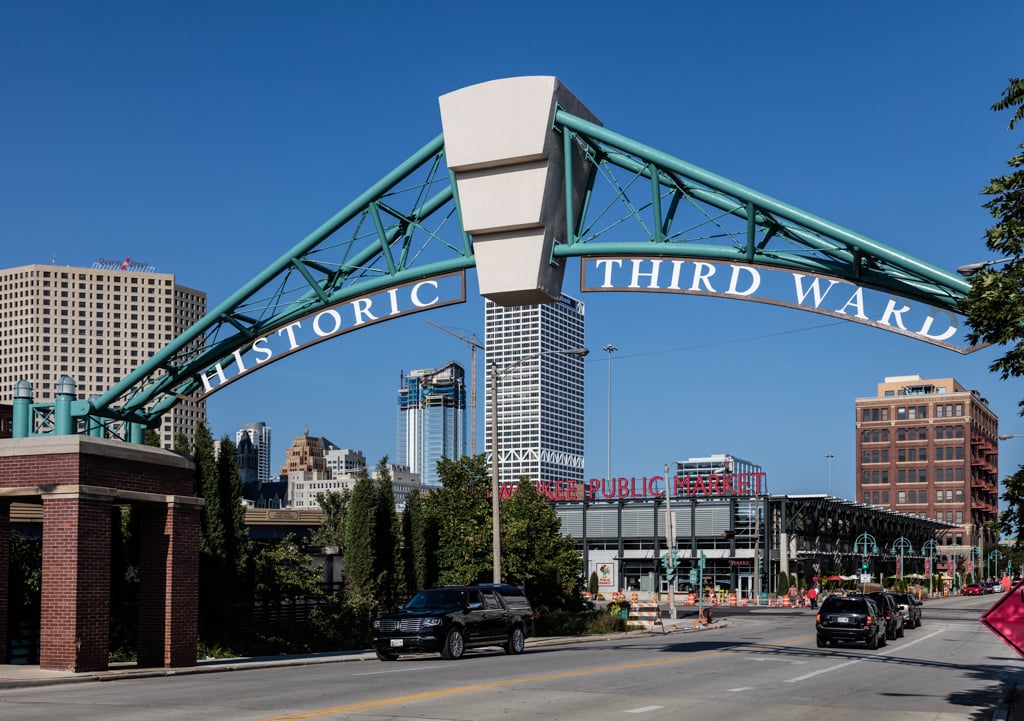
Areas with scarcity, privacy, strong schools, lake access, historic architecture, or legacy appeal may benefit. These include Mequon, River Hills, Whitefish Bay, Fox Point, Bayside, Elm Grove, the East Side, Lake Drive, and the Historic Third Ward.
Should families get professional advice before buying or selling inherited luxury property?
Yes. Families should consider working with real estate, legal, tax, and financial professionals before making major decisions involving inherited, gifted, or trust-held luxury property.
Final Thoughts
The wealth transfer is here.
And it is already beginning to influence luxury real estate.
For Milwaukee, this shift could be especially important.
As family wealth moves between generations, more buyers may look for homes that offer privacy, flexibility, long-term value, and meaningful lifestyle benefits. More sellers may need help managing inherited homes, trust-held properties, discreet sales, and family decision-making. More families may begin viewing real estate not only as a place to live, but as a core part of legacy planning.
Generational wealth real estate is about more than money.
It is about continuity.
It is about family.
It is about preserving value while improving quality of life.
Milwaukee’s luxury market is well positioned for this moment because it offers something many larger markets struggle to provide: space, architectural character, Lake Michigan access, established neighborhoods, privacy, and relative value.
For buyers, the opportunity is to choose properties with lasting meaning.
For sellers, the opportunity is to understand how the next generation of affluent buyers thinks.
For families, the opportunity is to make real estate decisions with clarity, care, and long-term purpose.
The Sewart Group helps high-net-worth buyers, sellers, and families navigate Greater Milwaukee luxury real estate with discretion, strategic insight, and local expertise. Whether you are planning a family transition, evaluating an inherited property, or searching for a home that can become part of your legacy, the right advisor can help you move forward with confidence.
__