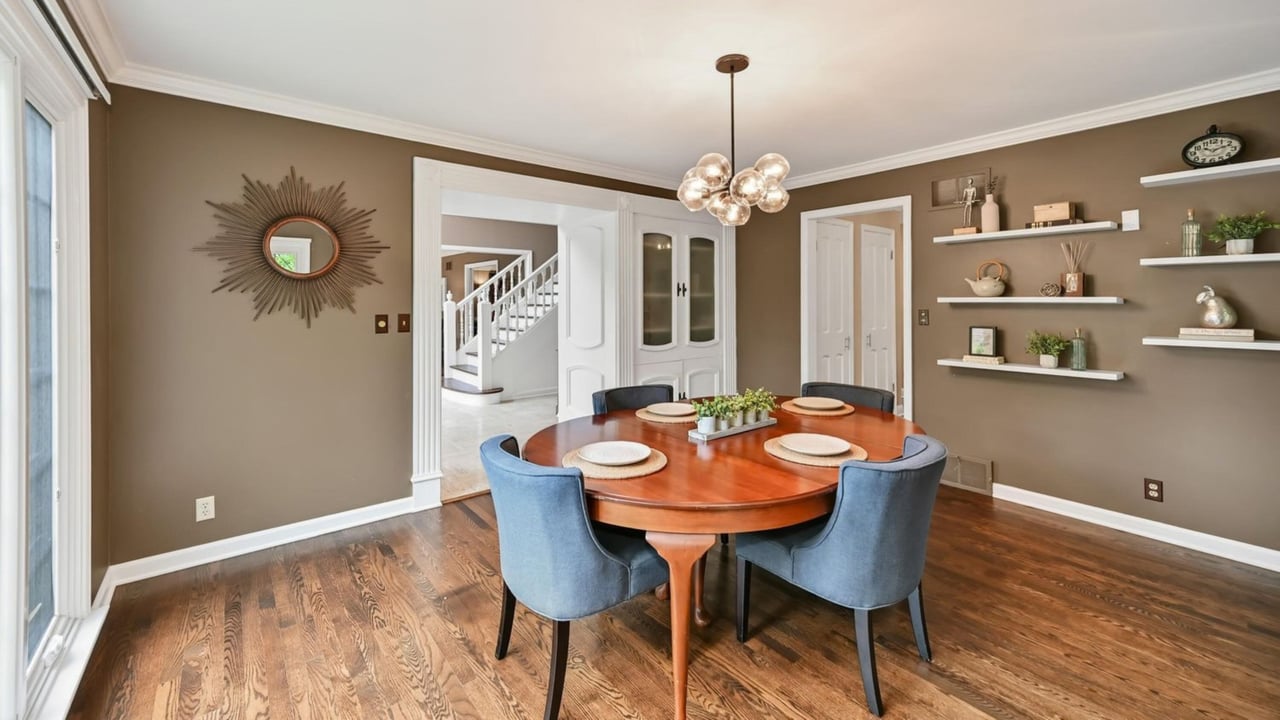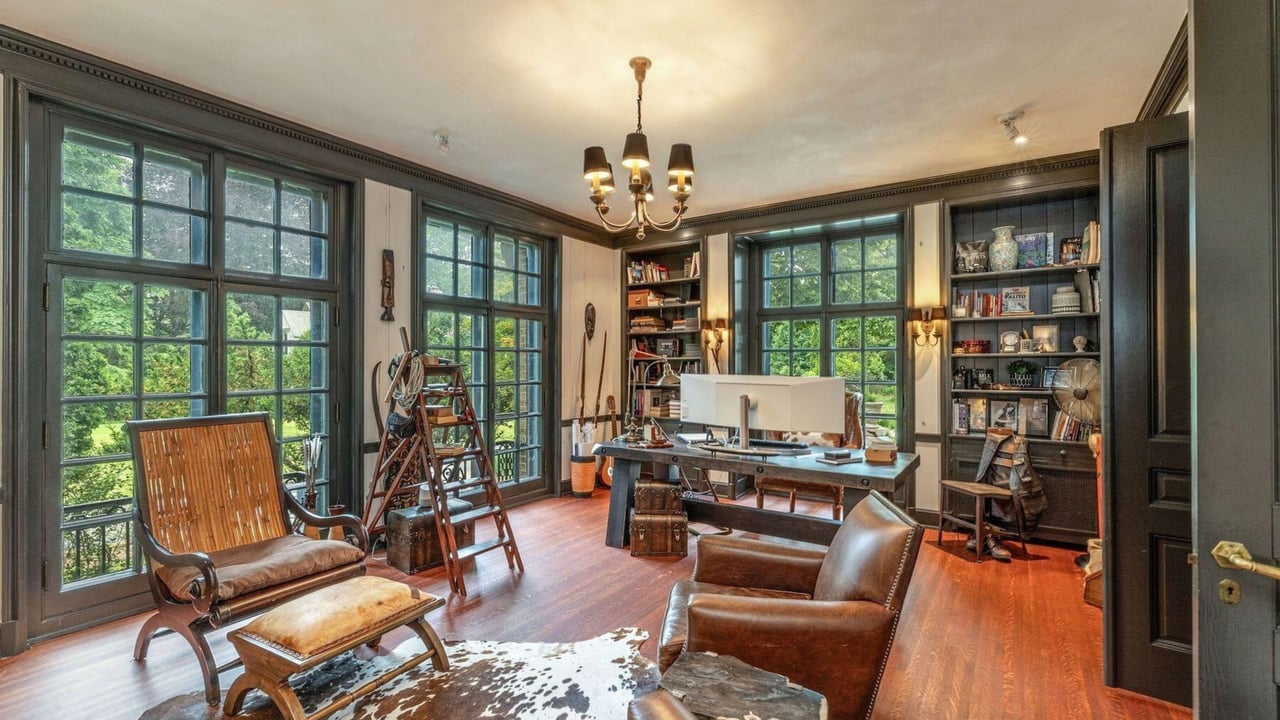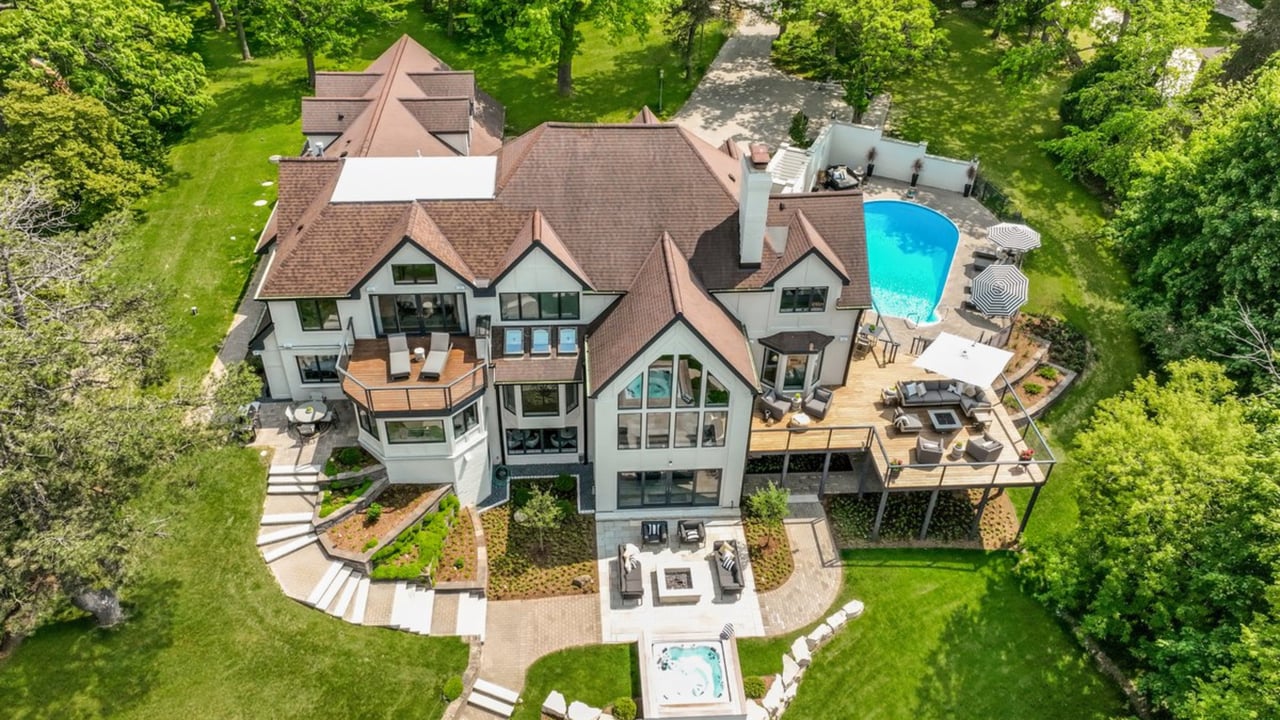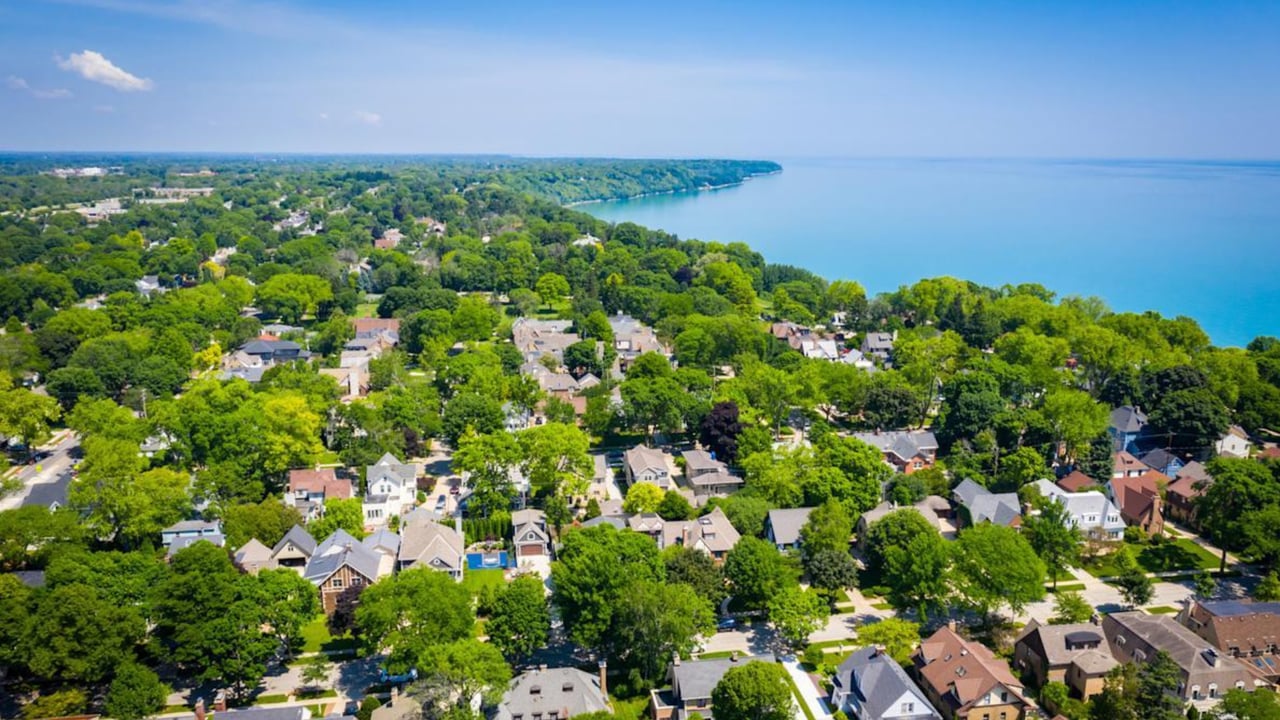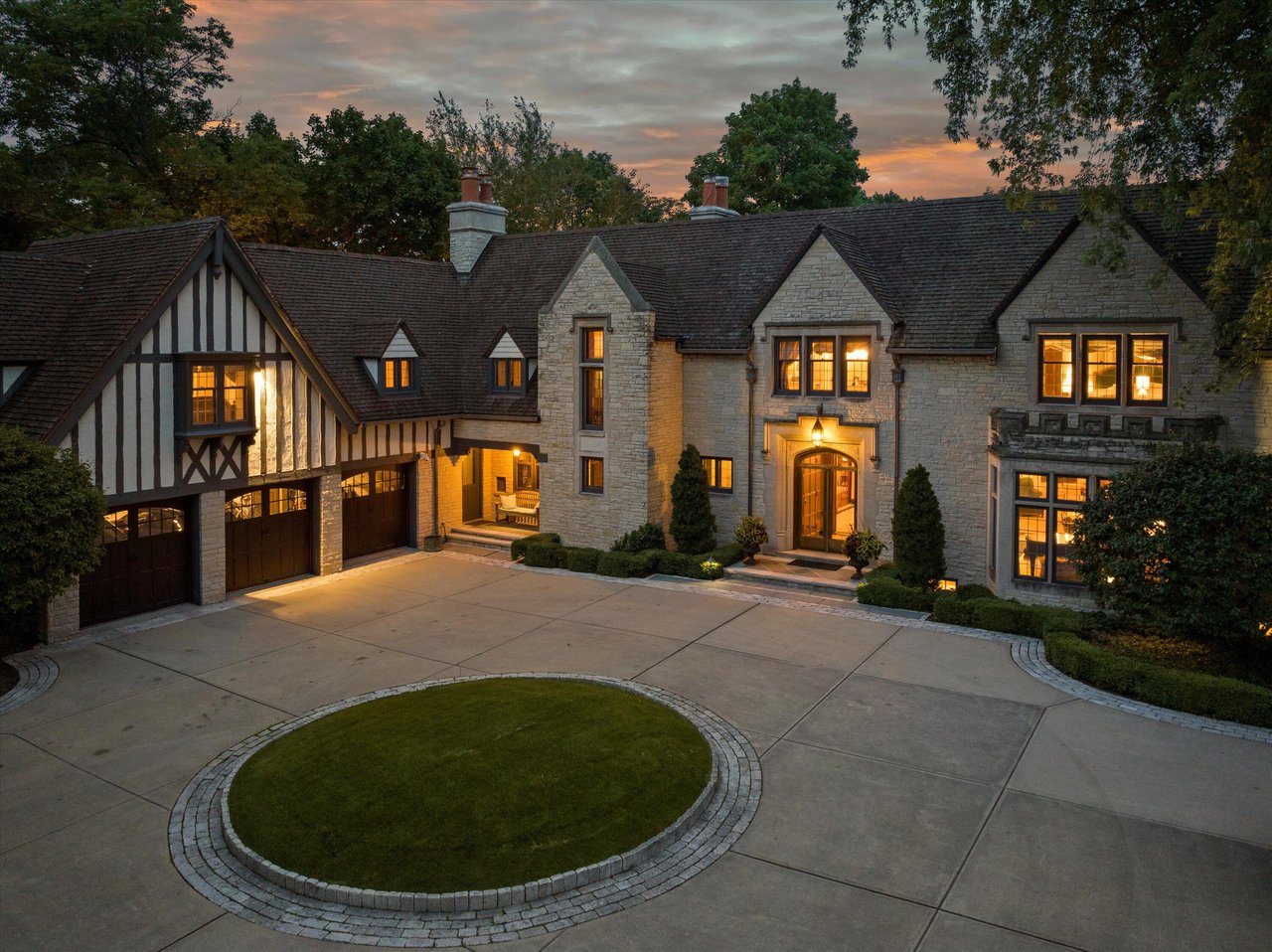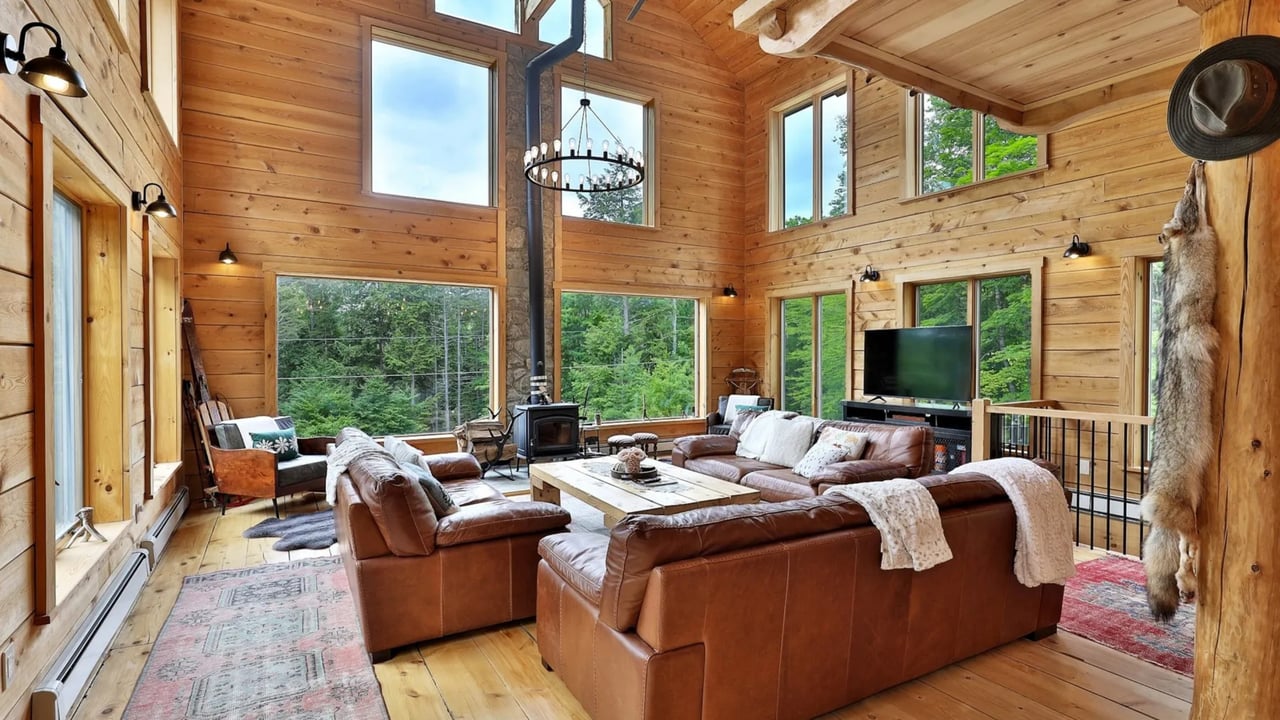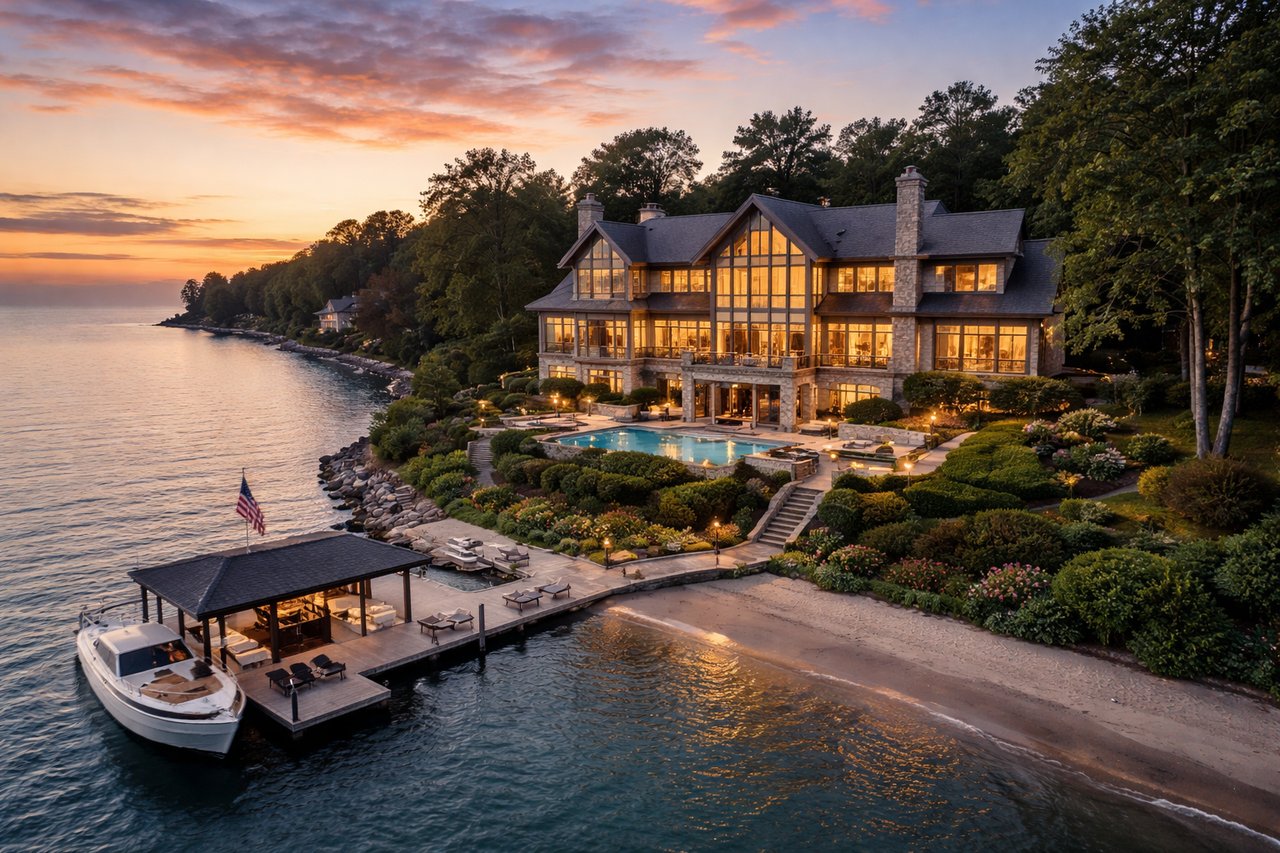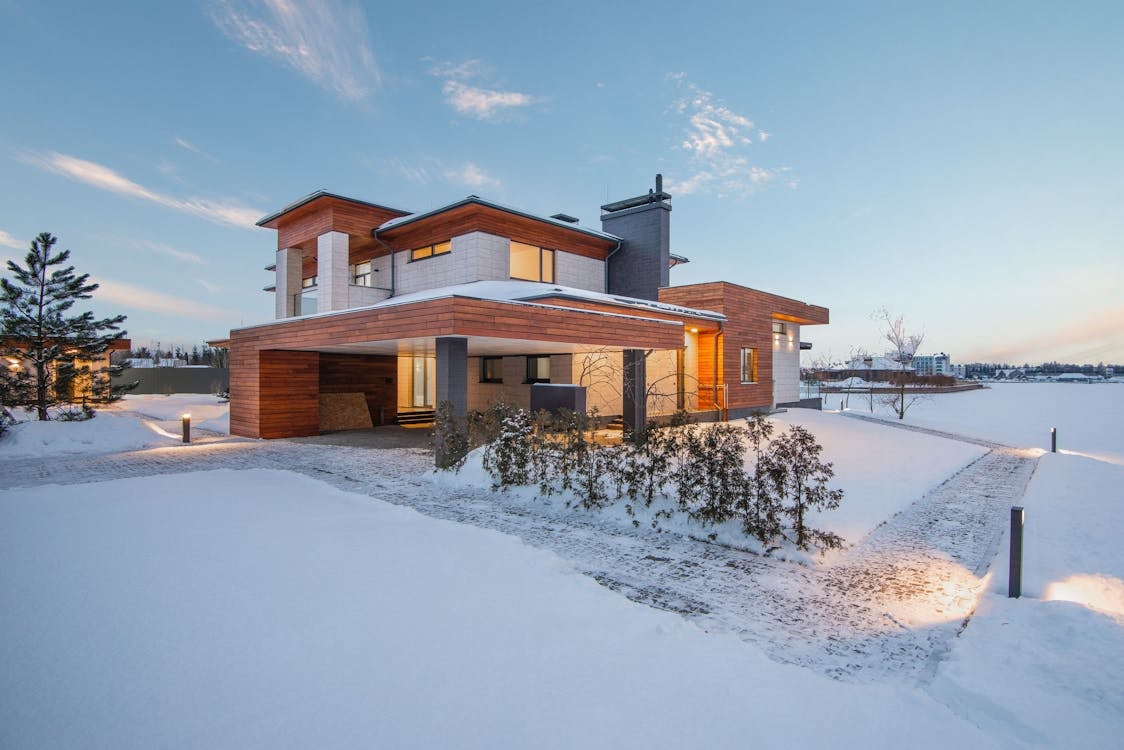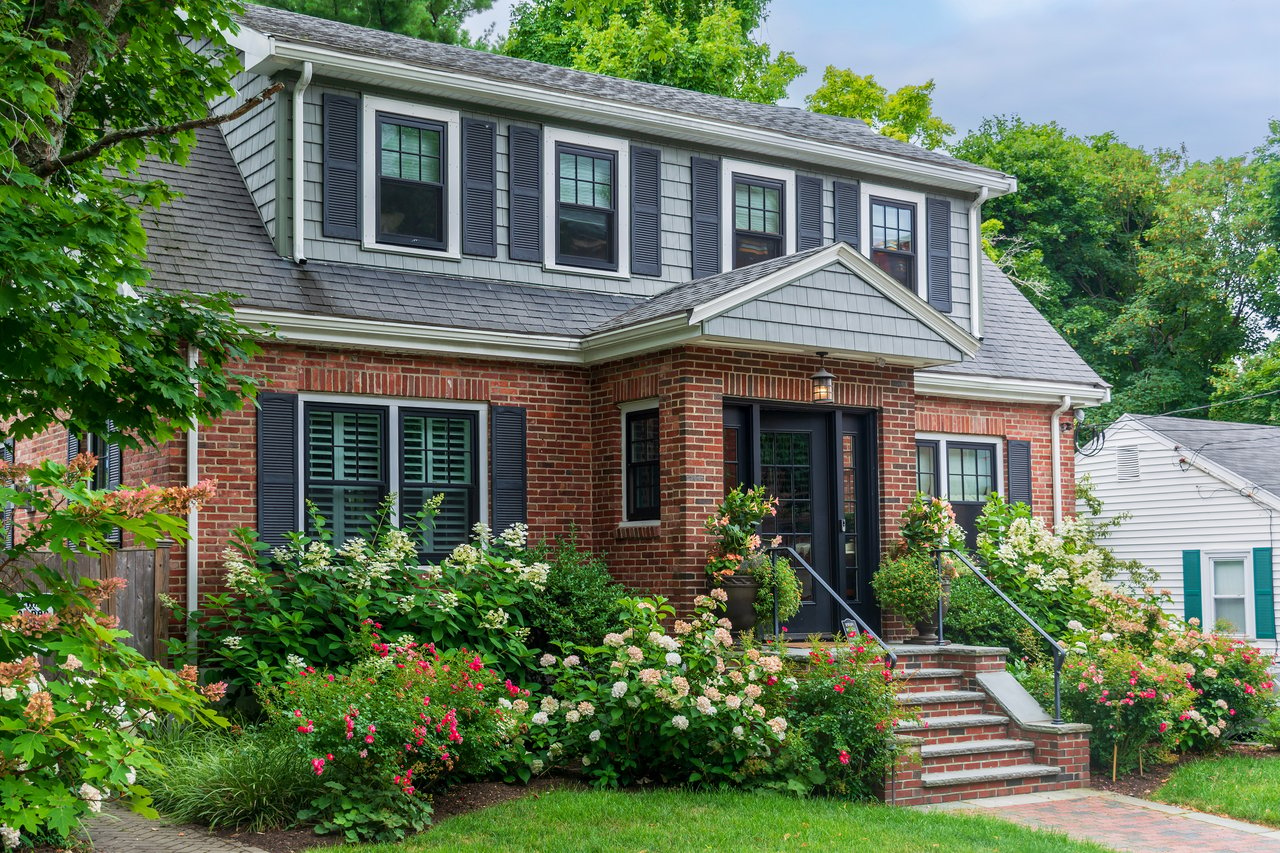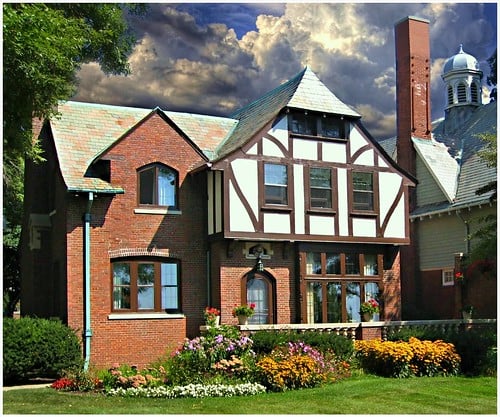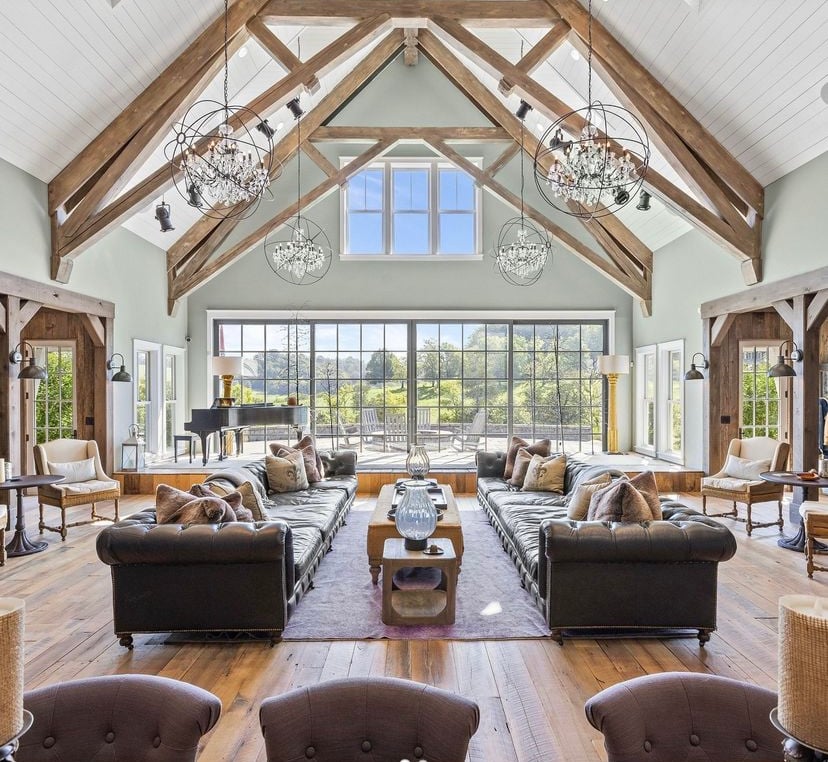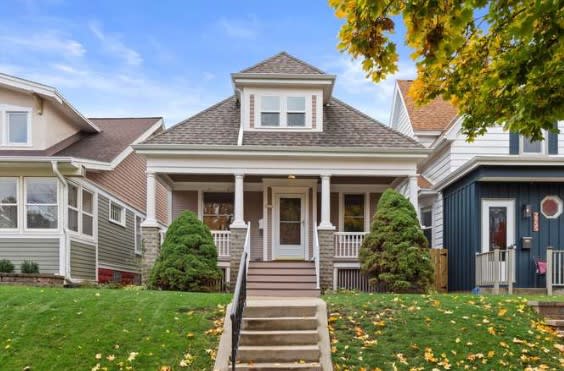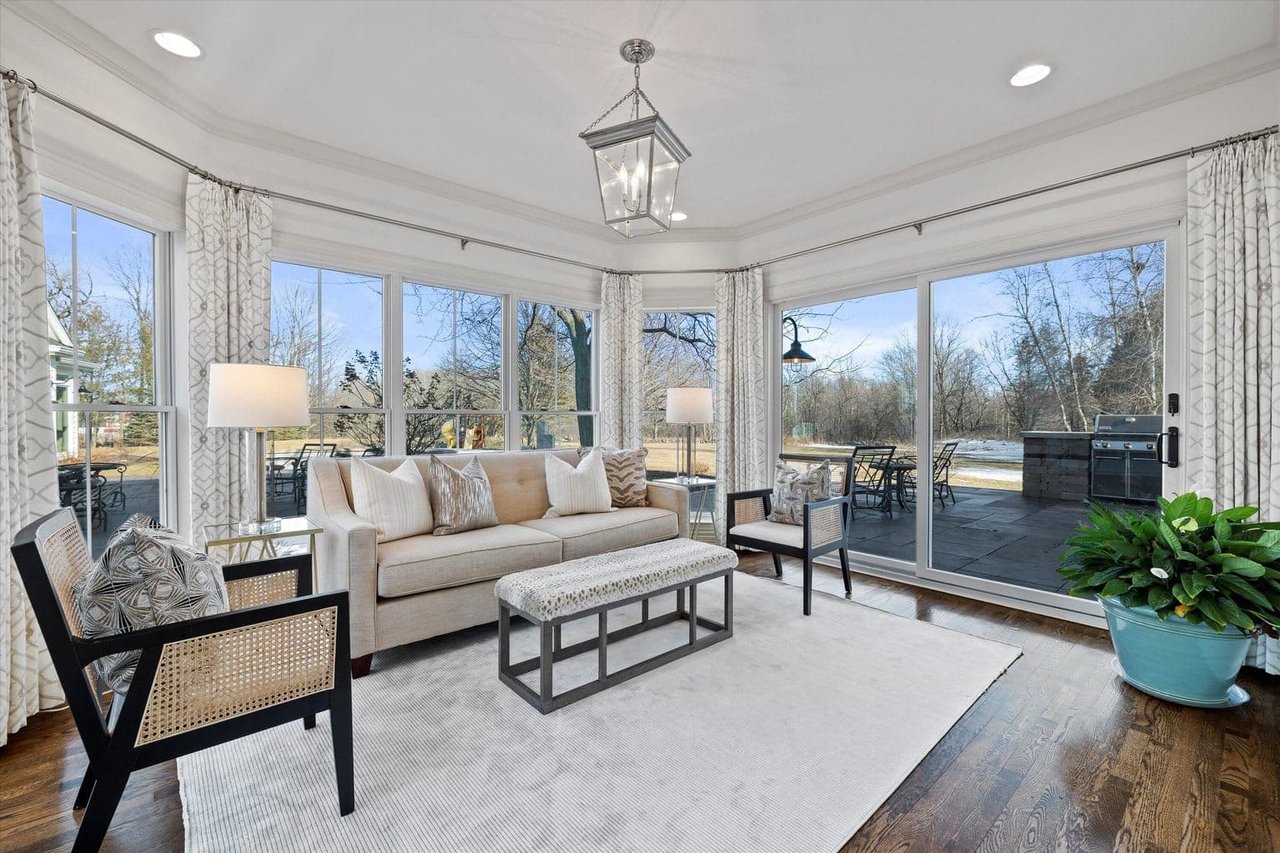
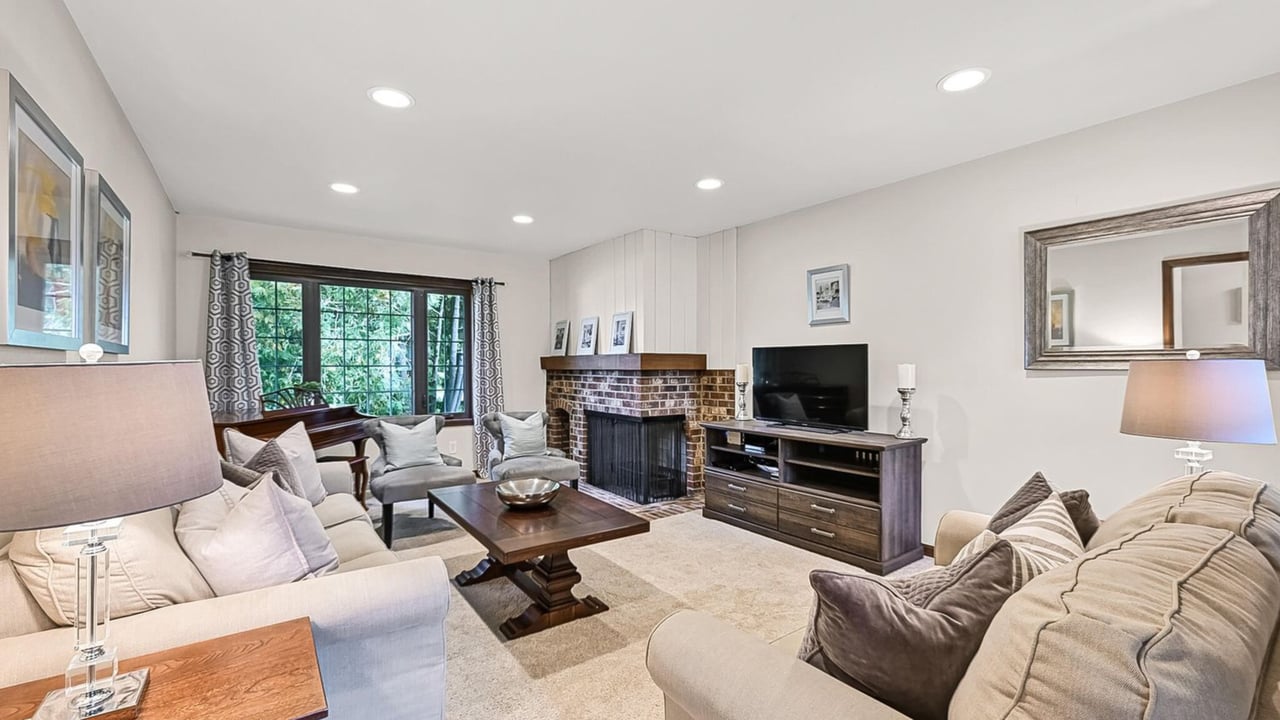
Luxury condos Milwaukee buyers consider offer a very different ownership experience from a private estate home.
One offers convenience, managed amenities, walkability, and a more flexible lifestyle.
The other offers land, privacy, control, and the freedom to create a home around your personal preferences.
But when it comes to making a smart financial decision, which one makes more sense?
For affluent buyers in Greater Milwaukee, the answer is rarely as simple as comparing purchase prices.
A luxury condominium overlooking Lake Michigan may offer sophisticated design, impressive views, secure parking, and minimal day-to-day exterior maintenance. However, it may also carry substantial association fees, shared building expenses, and special assessment risks.
A private estate in Mequon, River Hills, Fox Point, or Elm Grove may offer significantly more space and long-term land value. But it can also require ongoing investments in landscaping, property taxes, insurance, exterior maintenance, and major repairs.
Both can be excellent purchases.
Both can support long-term wealth.
Both come with financial tradeoffs that are easy to overlook.
As we move through 2026, luxury buyers are increasingly asking a more thoughtful question:
Should I invest in the convenience of a luxury condo or the privacy and ownership flexibility of an estate home?
Let's compare the real costs, lifestyle advantages, appreciation potential, and long-term financial considerations of each.
Two Different Versions of Luxury Living
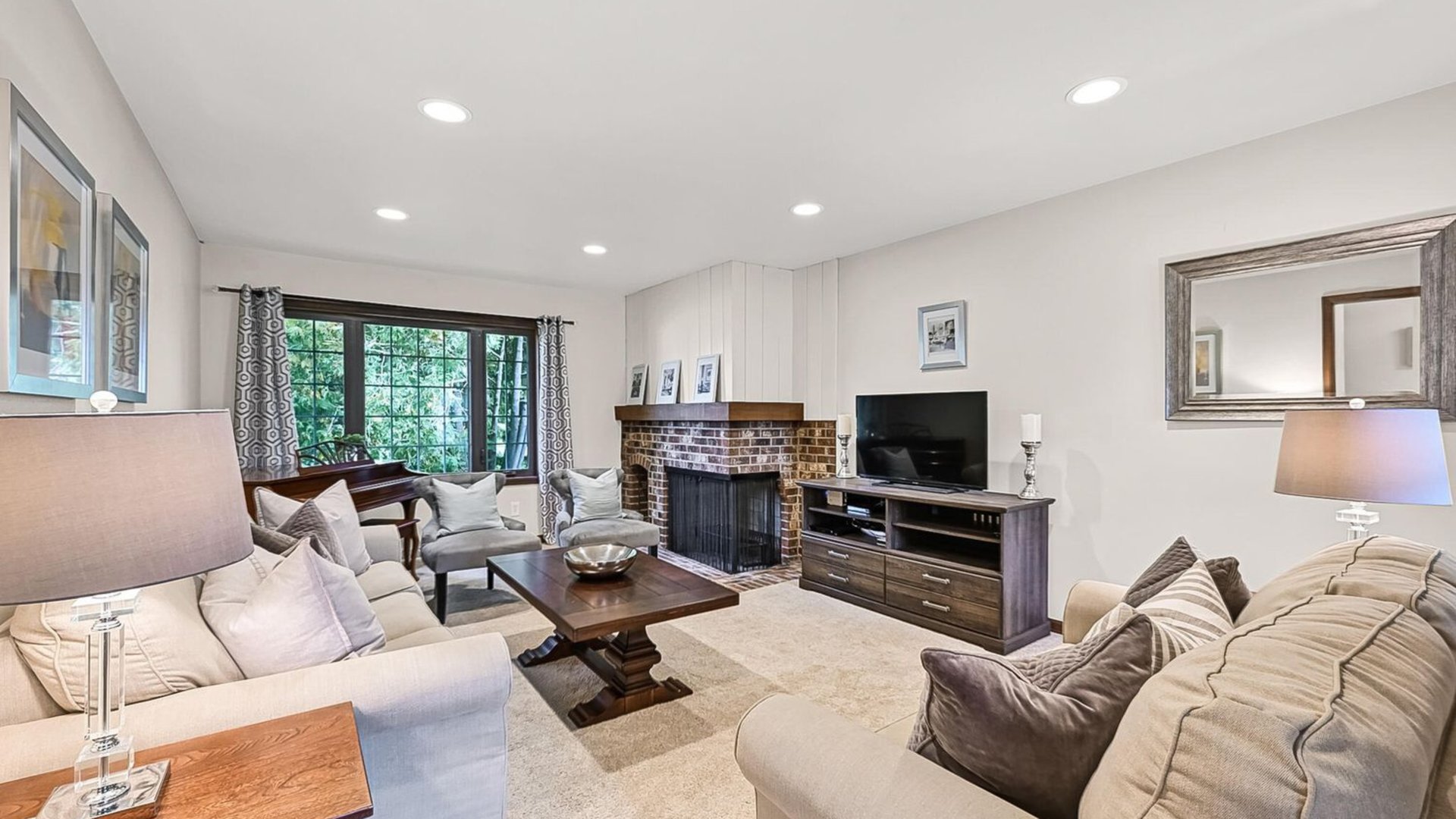
Luxury is no longer defined by square footage alone.
For some buyers, luxury means waking up to panoramic Lake Michigan views, walking to restaurants, enjoying professional building management, and leaving town without worrying about snow removal or exterior upkeep.
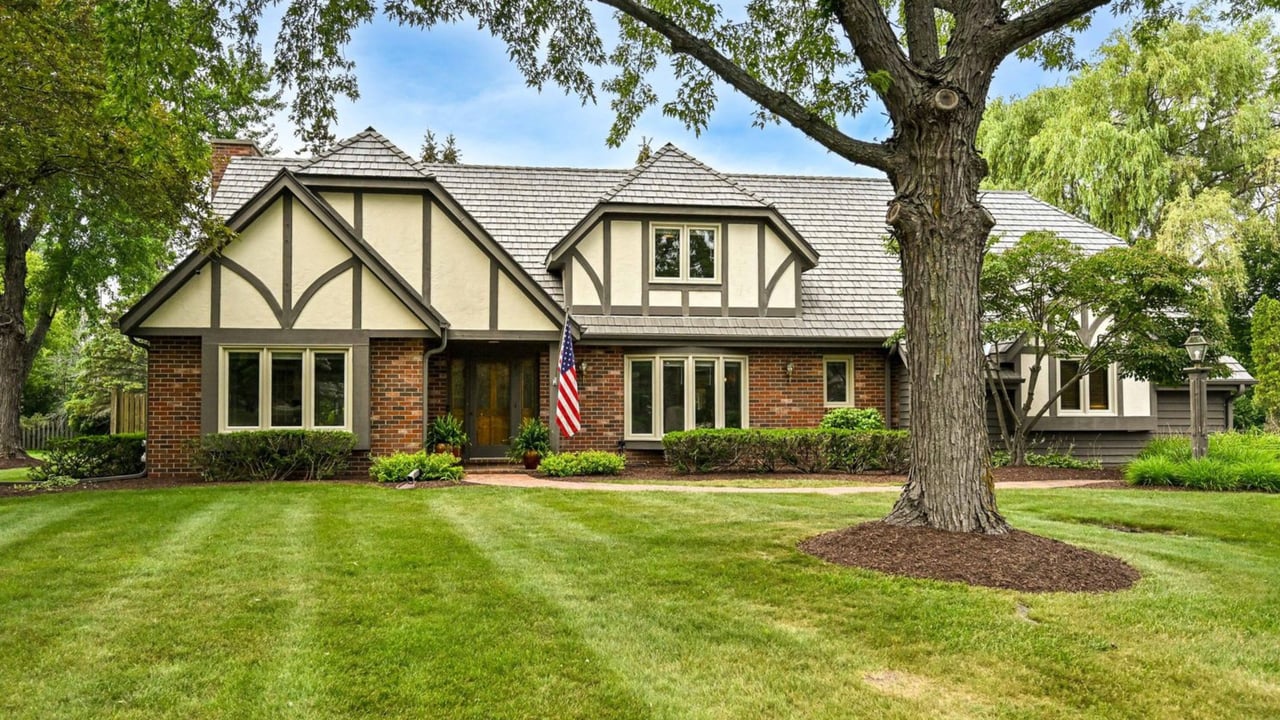
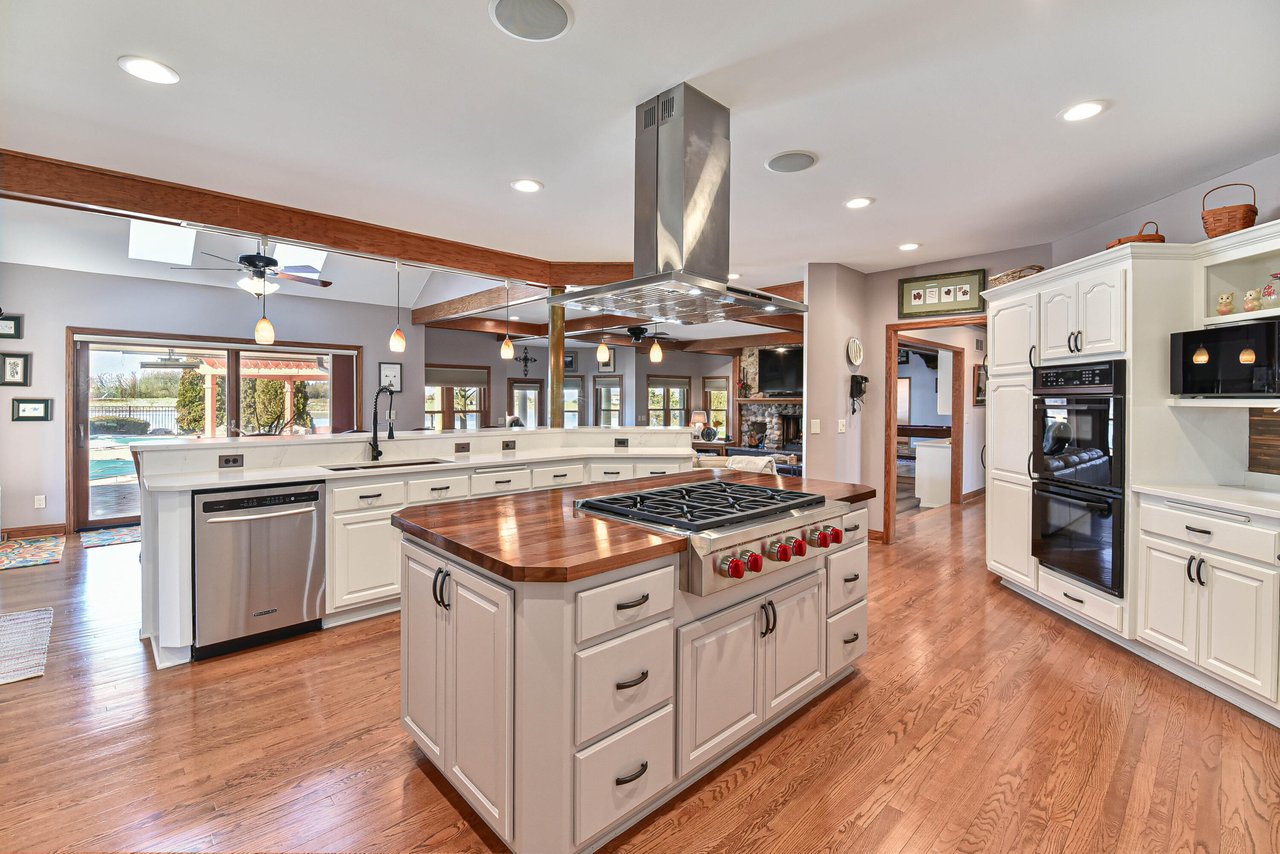
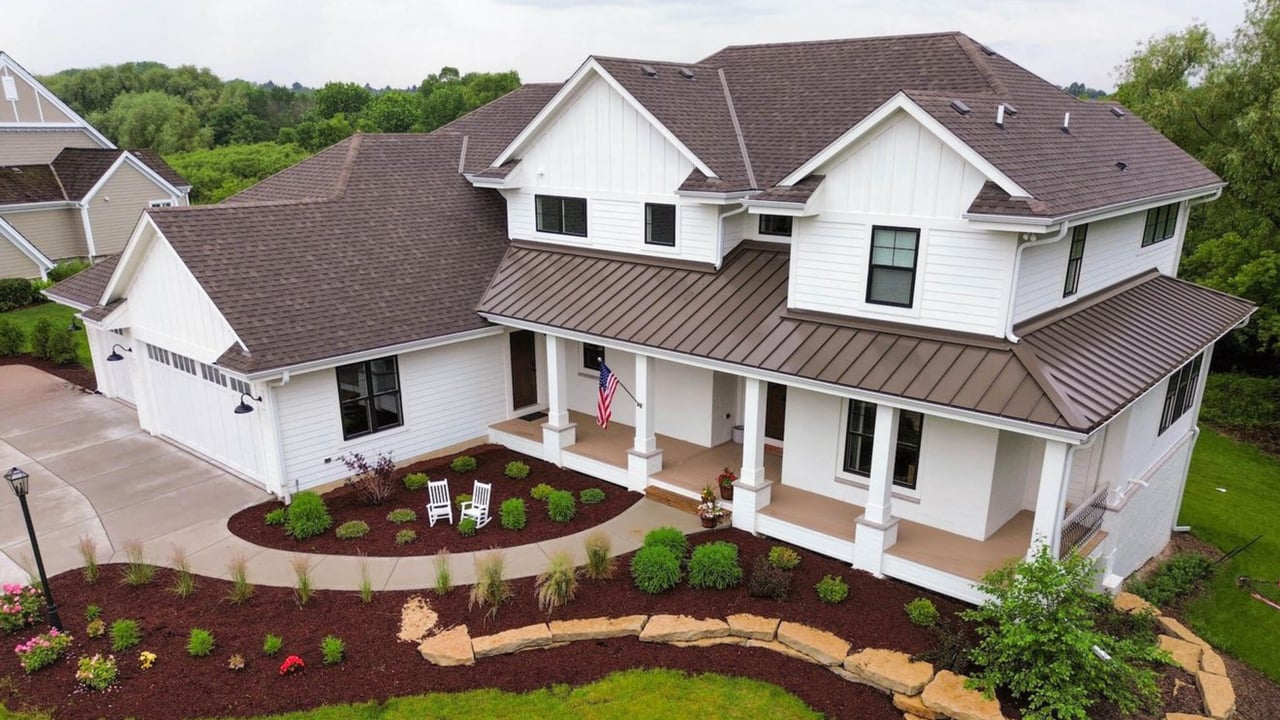
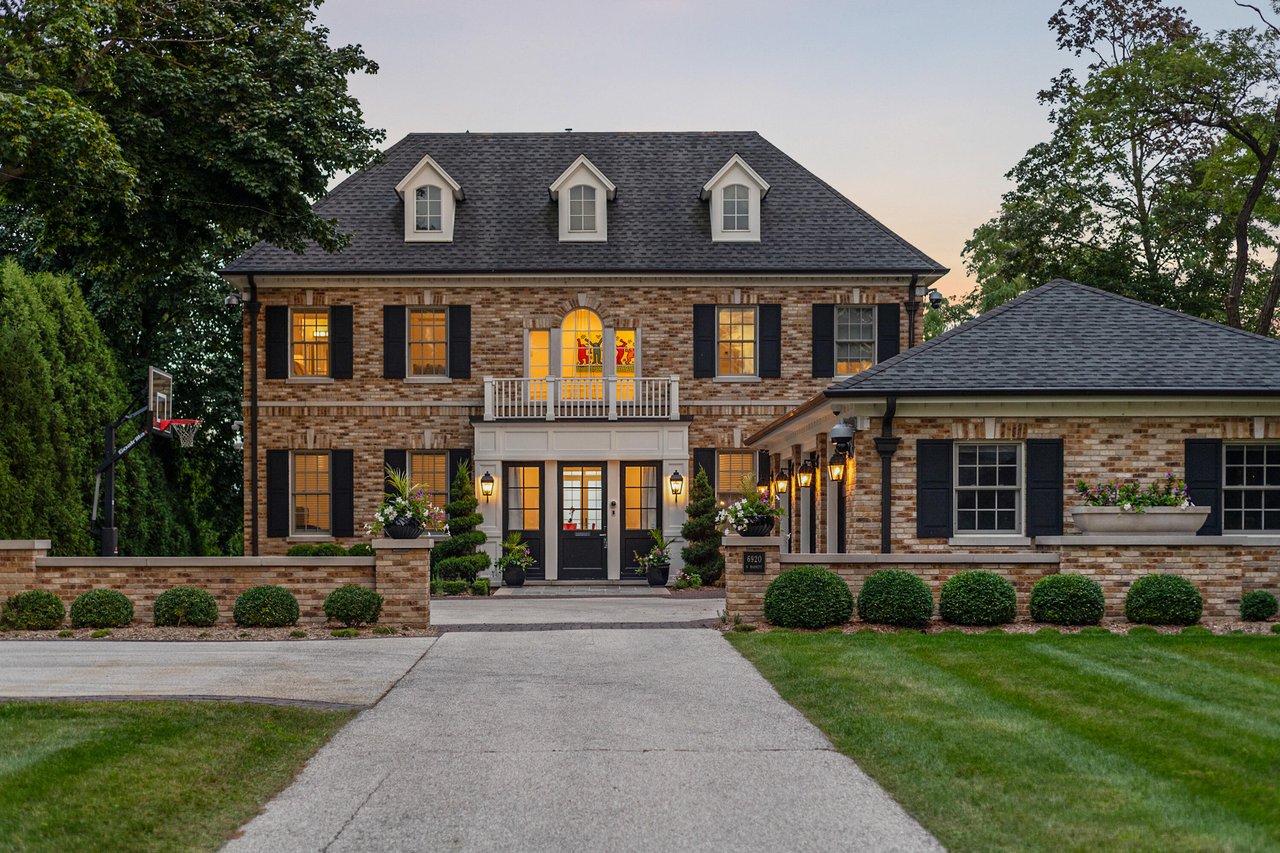
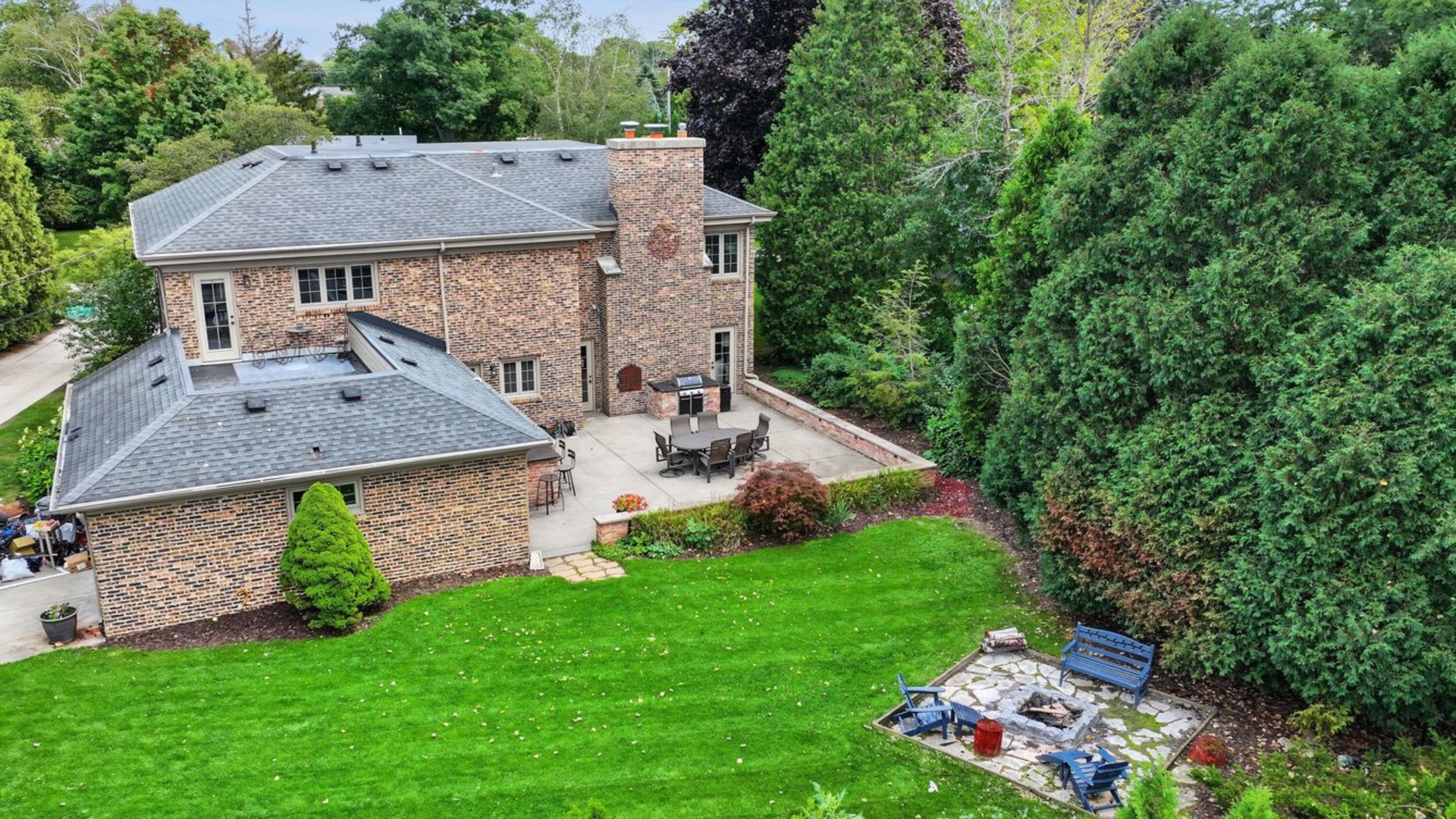
For others, luxury means a private driveway, mature trees, outdoor entertaining areas, multiple guest suites, and the freedom to make improvements without seeking condominium association approval.
Milwaukee offers both lifestyles.
Luxury condominiums are concentrated in areas such as:
Historic Third Ward
East Town
Downtown Milwaukee
Lakefront and East Side locations
Select North Shore developments
Estate-style luxury homes are more commonly found in:
Mequon
River Hills
Fox Point
Bayside
Elm Grove
Lake Country
Select Whitefish Bay neighborhoods
The choice depends on how you define value.
A condominium buyer may prioritize convenience and efficient ownership.
An estate buyer may prioritize land, privacy, and the freedom to customize.
Neither is automatically the better investment.
The right financial decision depends on the total cost of ownership, the property's long-term marketability, and how well the home supports the buyer's lifestyle.
Luxury Condo vs Estate Home: At a Glance
This comparison highlights the fundamental difference.
A condo shifts many property responsibilities into shared management.
An estate home places more responsibility directly on the owner.
Neither eliminates expenses.
They simply organize those expenses differently.
1. Purchase Price Is Only the Beginning

The purchase price is usually the first number buyers compare.
But it should not be the only one.
Consider two hypothetical properties in Greater Milwaukee.
One buyer purchases a luxury downtown condo with Lake Michigan views for $1.5 million.
Another purchases a private estate home for the same amount in a desirable suburban community.
At first glance, the financial commitment appears identical.
But the cost structure may be very different.
The condo buyer may pay substantial monthly association fees covering shared amenities, common-area upkeep, building insurance, and reserve contributions.
The estate homeowner may have no condo fee but must budget separately for landscaping, snow removal, roof maintenance, exterior repairs, mechanical systems, and other responsibilities.
In both cases, the initial purchase price represents only part of the financial decision.
Buyers should calculate:
Closing costs
Property taxes
Insurance
Association fees, if applicable
Maintenance
Utilities
Repairs
Renovation expenses
Capital improvements
Potential resale expenses
For high-net-worth buyers, the more important question is not simply what the property costs today.
It is what the property will cost to own over the next five, ten, or fifteen years.
2. Condo Fees vs Estate Maintenance: Where the Money Goes
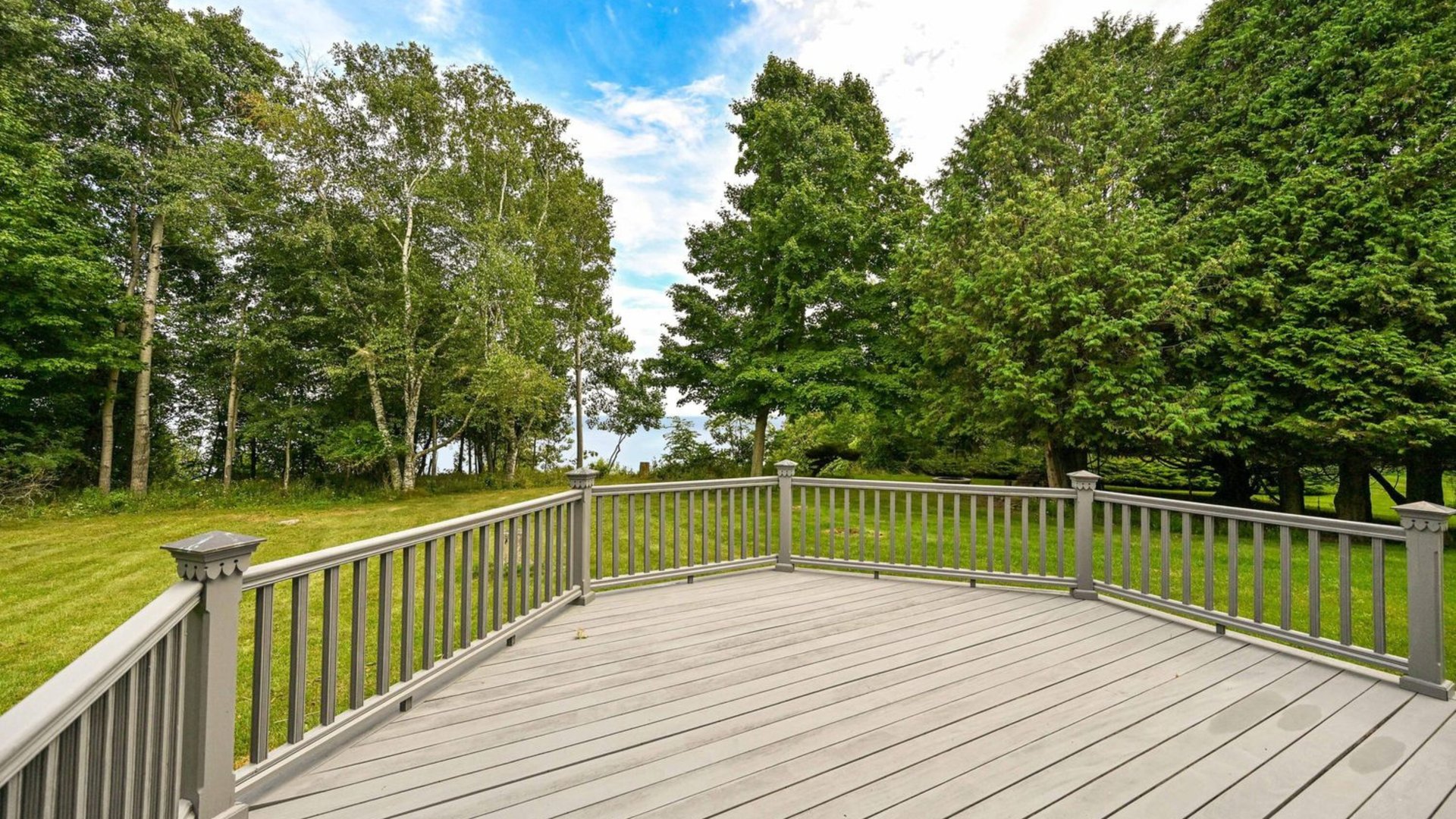
One of the biggest financial differences between luxury condos and estate homes is how maintenance is funded.
Luxury condominium owners generally pay regular association fees.
These fees may cover shared services such as:
Building exterior maintenance
Common-area insurance
Landscaping
Snow removal
Elevator servicing
Security
Fitness facilities
Swimming pools
Shared utilities
Building management
Reserve contributions
What is included varies by association.
The Greater Milwaukee Association of REALTORS® condominium buying guide explains that association fees, reserves, restrictions, and potential special assessments are important considerations when evaluating a condo purchase.
For luxury condos in Milwaukee, monthly fees can vary substantially depending on the building, unit size, amenities, and services.
A waterfront condominium with extensive amenities may have a very different expense structure from a boutique building with fewer shared facilities.
Estate homeowners do not generally pay a building-wide condominium fee.
But they still face substantial expenses.
These may include:
Lawn and landscape maintenance
Snow removal
Tree care
Roof repairs
Exterior painting
HVAC servicing
Pool maintenance
Driveway repairs
Security monitoring
Window cleaning
Irrigation systems
Property management
The financial distinction is important.
A condominium fee is a visible recurring cost. Estate maintenance is often less predictable.
A homeowner may have several relatively inexpensive months followed by a major repair.
A condo owner may have more predictable monthly dues but still face extraordinary assessments.
Buyers should compare both the recurring and unexpected expenses.
3. The Real Cost of Ownership: A $1.5 Million Example

Let's compare two hypothetical purchases at the same price point.
These figures are illustrative planning assumptions, not estimates for particular Milwaukee properties.
In this example, the luxury condo costs approximately $6,500 less per year to own.
Over ten years, that would represent $65,000 in cumulative nominal expenses, assuming the annual costs remained unchanged.
However, real ownership expenses rarely remain constant.
Association dues may increase.
Insurance premiums may change.
Estate maintenance can become more expensive as a home ages.
Both properties may face major capital expenses.
The example also excludes financing costs, closing expenses, transaction costs, appreciation, and opportunity cost.
For buyers, the lesson is straightforward.
A luxury condo may be less expensive to maintain.
But the advantage must be confirmed through property-specific numbers rather than assumptions.
4. Special Assessments: The Hidden Condo Risk
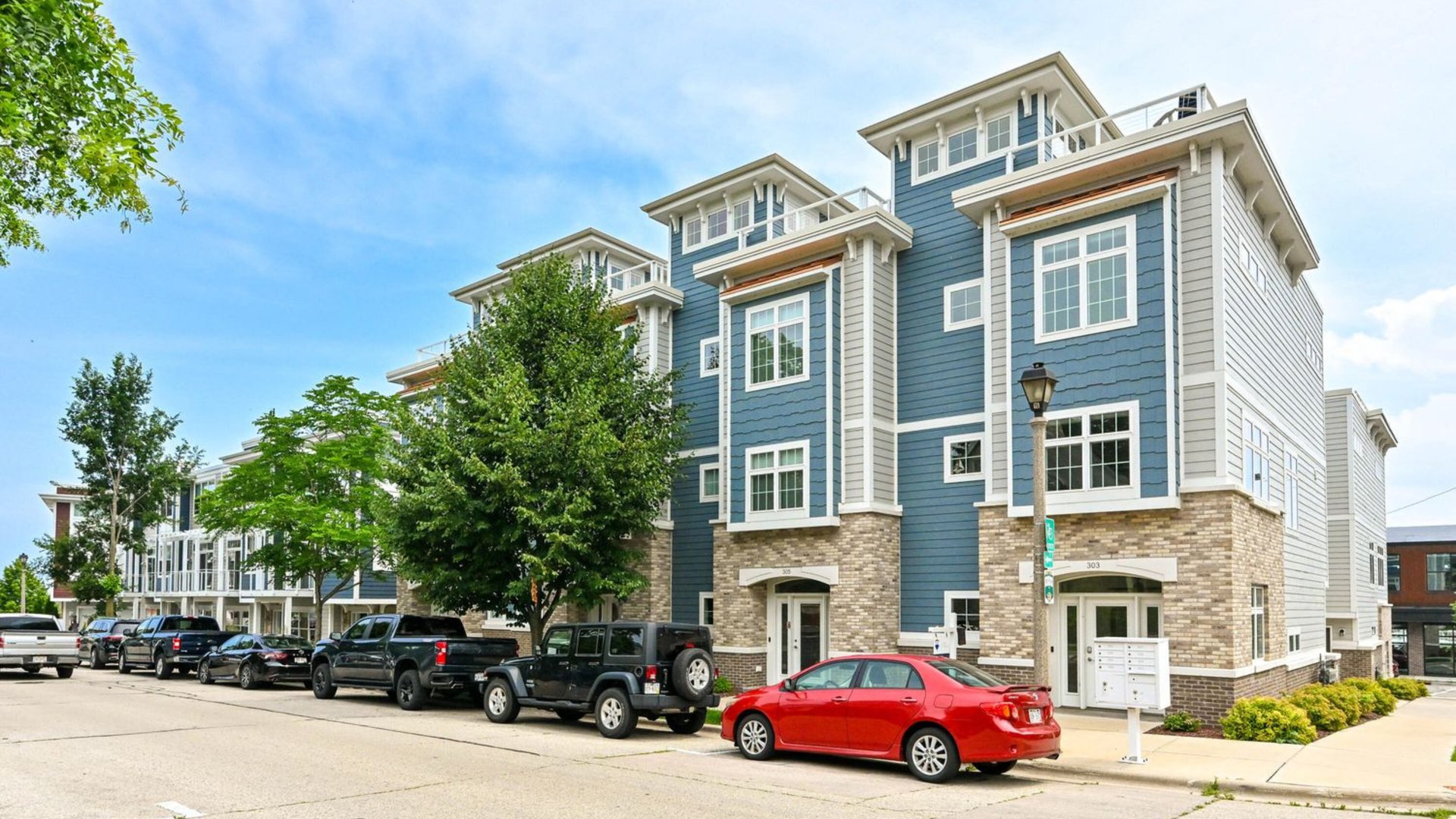
Condominium ownership has one expense that deserves particular attention.
Special assessments.
A special assessment is an additional charge imposed by an association, often to fund expenses not adequately covered by existing budgets or reserves.
These expenses may involve:
Roof replacement
Exterior restoration
Elevator upgrades
Parking structure repairs
Window replacement
Mechanical system improvements
Structural repairs
Insurance shortfalls
Major common-area renovations
For a luxury condo, these expenses can be significant.
A buyer may purchase a beautifully maintained unit only to discover that the building is planning a major capital project.
Wisconsin REALTORS® Association's 2026 condominium offer guidance explains the importance of reviewing condominium disclosures, association obligations, transfer fees, and other property-specific considerations before completing a purchase.
Luxury condo buyers should request and carefully review:
Association budgets
Reserve balances and studies
Recent financial statements
Board meeting minutes
Pending special assessments
Planned capital improvements
Insurance coverage
Association litigation, if any
Rules and restrictions
Delinquency information
Recent dues increases
These documents may reveal important financial risks that are not visible in the listing photographs.
A stunning penthouse can still be a poor investment if its association faces significant unfunded obligations.
5. Estate Homes Offer More Control, but Also More Responsibility

An estate home offers something condominium ownership generally cannot match.
Control over the property.
Owners of private estates often have greater freedom to modify landscaping, redesign interiors, add outdoor amenities, improve security, or make other changes, subject to zoning, permits, deed restrictions, and any applicable HOA rules.
For high-net-worth buyers, that control can be extremely valuable.
A family may want to add a pool.
An executive may need a separate office suite.
A homeowner may want to redesign a kitchen, improve outdoor living areas, or install specialized security systems.
An estate often provides greater flexibility to make those decisions independently.
But flexibility carries a cost.
A large residence in Mequon or River Hills may require ongoing investments in:
Roofing and exterior systems
Extensive landscaping
Long driveways
Septic or well systems, where applicable
Drainage
Guest structures
Outdoor lighting
Pools and spas
Heating and cooling
Private security
The larger and more customized the property, the more complex maintenance may become.
Estate ownership can be financially rewarding.
But buyers need to understand that independence also means responsibility.
6. Appreciation Potential: Does Land Give Estate Homes an Advantage?
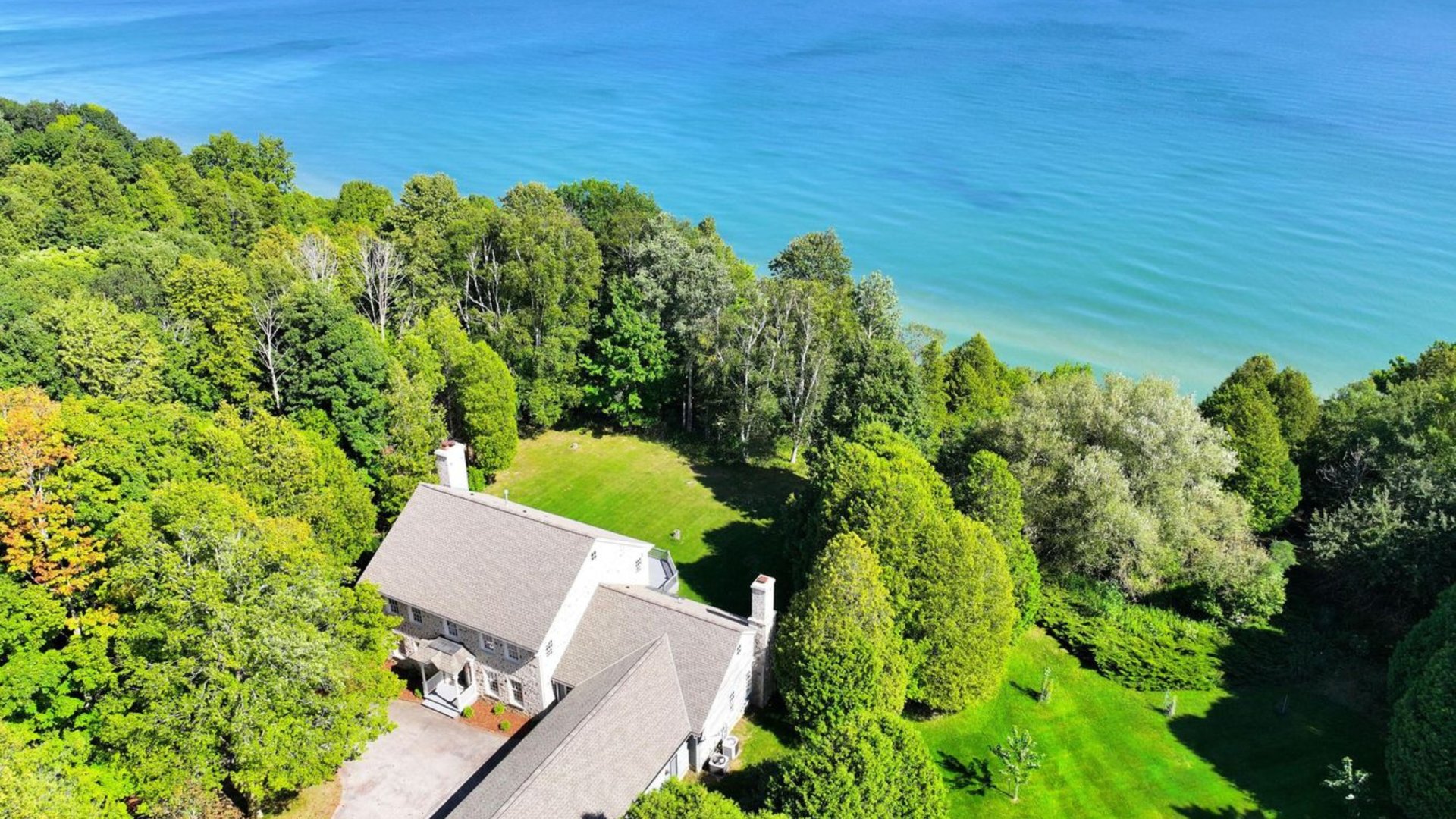
One of the strongest arguments for estate ownership is land.
Land is finite.
Especially in desirable, established luxury neighborhoods.
A home with acreage in River Hills or Mequon may offer privacy and a physical setting that cannot easily be duplicated.
Likewise, a lake-area estate in Fox Point or Whitefish Bay may benefit from scarce location characteristics.
Those features can support long-term demand.
However, it would be misleading to assume that all estate homes appreciate faster than luxury condos.
Condominiums can also have scarce features.
A high-floor unit with panoramic Lake Michigan views, exceptional architecture, secure parking, and an outstanding location may be difficult to replace.
The building's reputation, association finances, condition, and amenities all influence value.
National market data also suggests that condos and detached homes do not always move together.
The National Association of REALTORS® first-quarter 2026 metropolitan housing report noted that condominium markets showed signs of stabilization in several areas after a period of weakness, while the broader housing market continued to experience regional price differences.
For Greater Milwaukee, buyers should evaluate appreciation through the individual property.
Important questions include:
Is the location difficult to replicate?
Are comparable properties limited?
Does the home appeal to future buyers?
Is the building or neighborhood well maintained?
Does the property have strong privacy or views?
Are major capital expenses approaching?
Does the property offer lasting lifestyle appeal?
The best investment is often the property with the strongest combination of location, condition, scarcity, and future demand.
Not simply the one with the most land or the highest floor.
7. Milwaukee's Condo Market Is Different From Its Estate Market
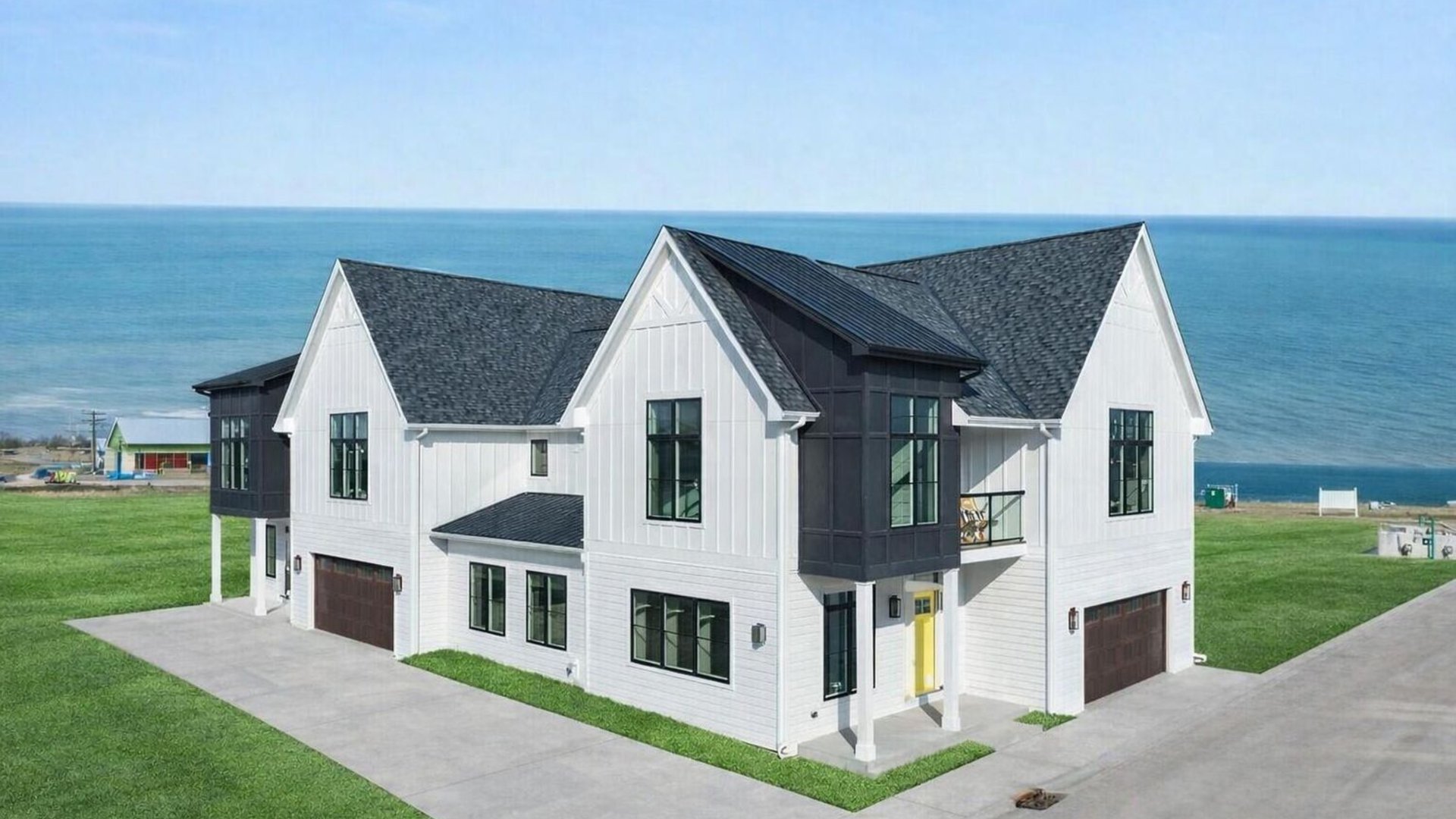
Milwaukee's luxury condominium market operates differently from the surrounding luxury single-family market.
Condo buyers are often comparing:
Building amenities
Views
Floor level
Parking
Association fees
Walkability
Building age
Security
Interior finishes
Management quality
Estate buyers may place greater emphasis on:
Lot size
Privacy
Architecture
School district
Outdoor living
Renovation quality
Guest accommodations
Security
Access to golf or lakefront recreation
These buyer priorities create different patterns of demand.
Milwaukee County condominium sales data from the first half of 2026 indicated that overall condo prices were relatively steady compared with the previous year. The Milwaukee County midyear condo market analysis reported a median sale price of $240,000, unchanged from the comparable midyear period in 2025.
That figure represents the broader condominium market, not the luxury segment.
Luxury waterfront units and high-end downtown residences can perform very differently.
For high-end buyers, building-level comparable sales are far more useful than countywide medians.
Similarly, estate buyers need neighborhood-specific sales data rather than broad regional averages.
A River Hills estate should not be valued using the same assumptions as a luxury condominium in the Historic Third Ward.
8. Resale Liquidity: Which Property Is Easier to Sell?

Liquidity is an important but often overlooked consideration.
In real estate, liquidity generally refers to how readily a property can be sold without making significant price concessions.
Luxury condos and estate homes have different buyer pools.
A condominium may appeal to:
Downsizers
Executives
Frequent travelers
Retirees
Second-home buyers
Urban professionals
Buyers seeking low-maintenance living
An estate may appeal to:
Families
Business owners
Executives seeking privacy
Buyers wanting acreage
Multigenerational households
Buyers seeking outdoor space
Long-term residential owners
Neither is inherently more liquid.
A desirable condo in a well-managed building may sell relatively efficiently.
A large, highly customized estate may require more time to find the right buyer.
On the other hand, a rare estate in a premier neighborhood may attract immediate interest, while a condo with high fees or uncertain association finances may face a more limited market.
Resale should be evaluated at the property level.
Buyers should consider:
Number of comparable sales
Average marketing time
Buyer demand
Price positioning
Condition
Association finances
Property uniqueness
Neighborhood reputation
The smartest buyers consider resale before they purchase.
9. Insurance: Shared Coverage vs Individual Responsibility
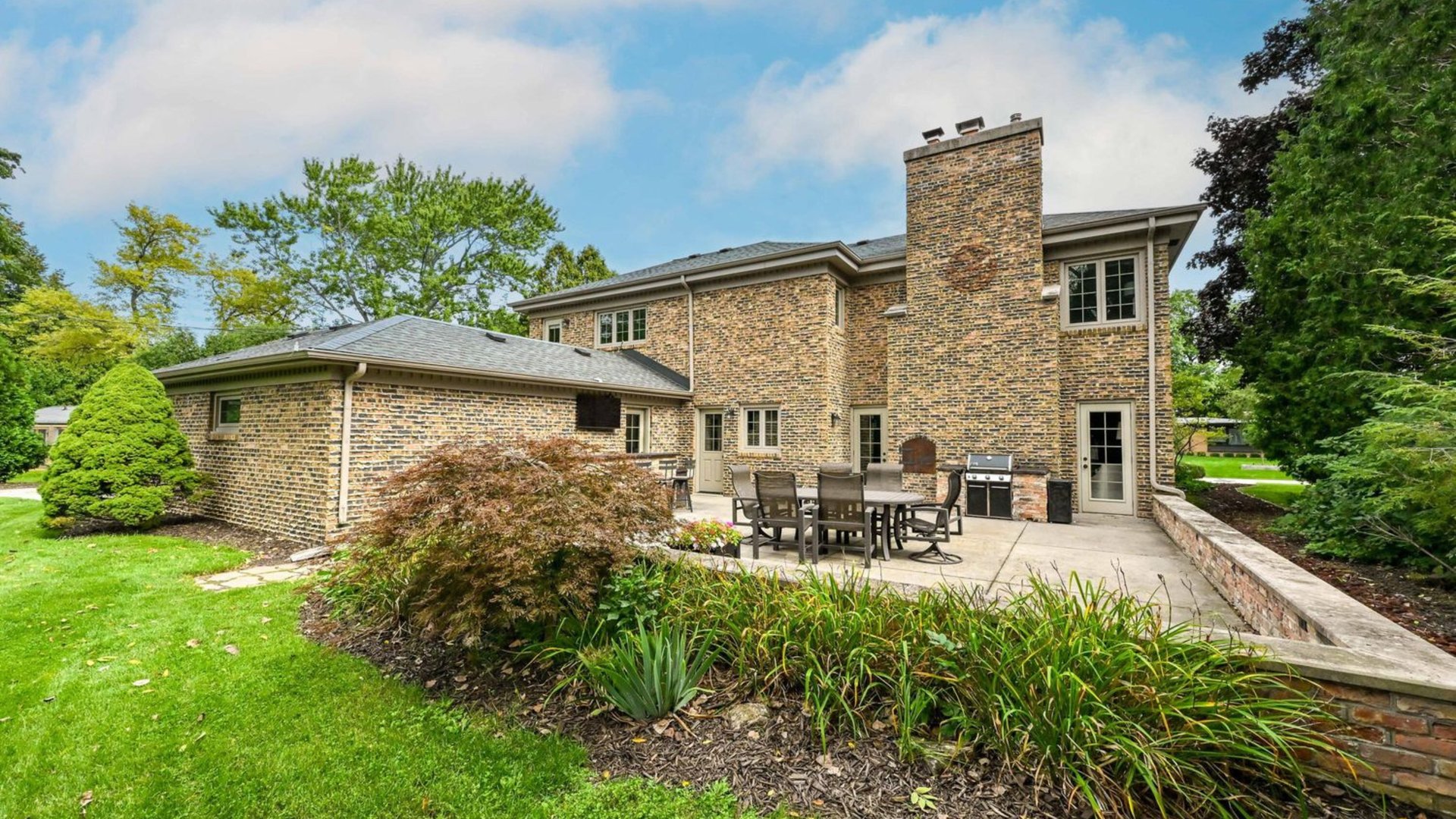
Insurance is another important difference.
Condominium owners typically need coverage for their personal property, liability, and the parts of the unit they are responsible for insuring.
The condominium association generally maintains insurance for shared building elements, although the precise responsibilities depend on the policy and governing documents.
The Wisconsin Office of the Commissioner of Insurance condominium insurance guide explains how unit-owner coverage and association coverage interact.
Buyers should not assume that the association's policy covers everything inside their unit.
Luxury finishes, custom improvements, personal belongings, and loss assessments may require additional attention.
Estate homeowners typically purchase their own homeowners coverage for the dwelling, contents, and applicable liability exposures.
High-value estates may need specialized insurance for:
Custom materials
Guest houses
Valuable artwork
Pools
Extensive landscaping
Specialty equipment
High-end renovations
Detached structures
In both cases, buyers should review replacement-cost coverage, deductibles, exclusions, and potential out-of-pocket exposure.
A lower annual premium does not necessarily indicate better financial protection.
10. The Opportunity Cost of Ownership

High-net-worth buyers often view real estate as one part of a larger financial strategy.
They may compare the purchase against other investments, business interests, or liquidity needs.
That makes opportunity cost important.
Suppose a buyer is considering a $2 million estate but could purchase a $1.2 million condo that meets their lifestyle needs.
The $800,000 difference could remain available for investments, business use, or other priorities.
Conversely, a buyer may find that the estate provides greater long-term value because of land scarcity, family needs, and strong location appeal.
The better choice depends on:
Purchase price
Financing structure
Expected holding period
Annual ownership expenses
Potential appreciation
Liquidity requirements
Tax planning
Family goals
Lifestyle value
A property that costs less to own may create more financial flexibility.
A more expensive property may still be worthwhile if it delivers substantial lifestyle and long-term ownership benefits.
Luxury buyers should evaluate the entire financial picture rather than relying on purchase price alone.
11. Which Property Makes More Sense for Frequent Travelers?
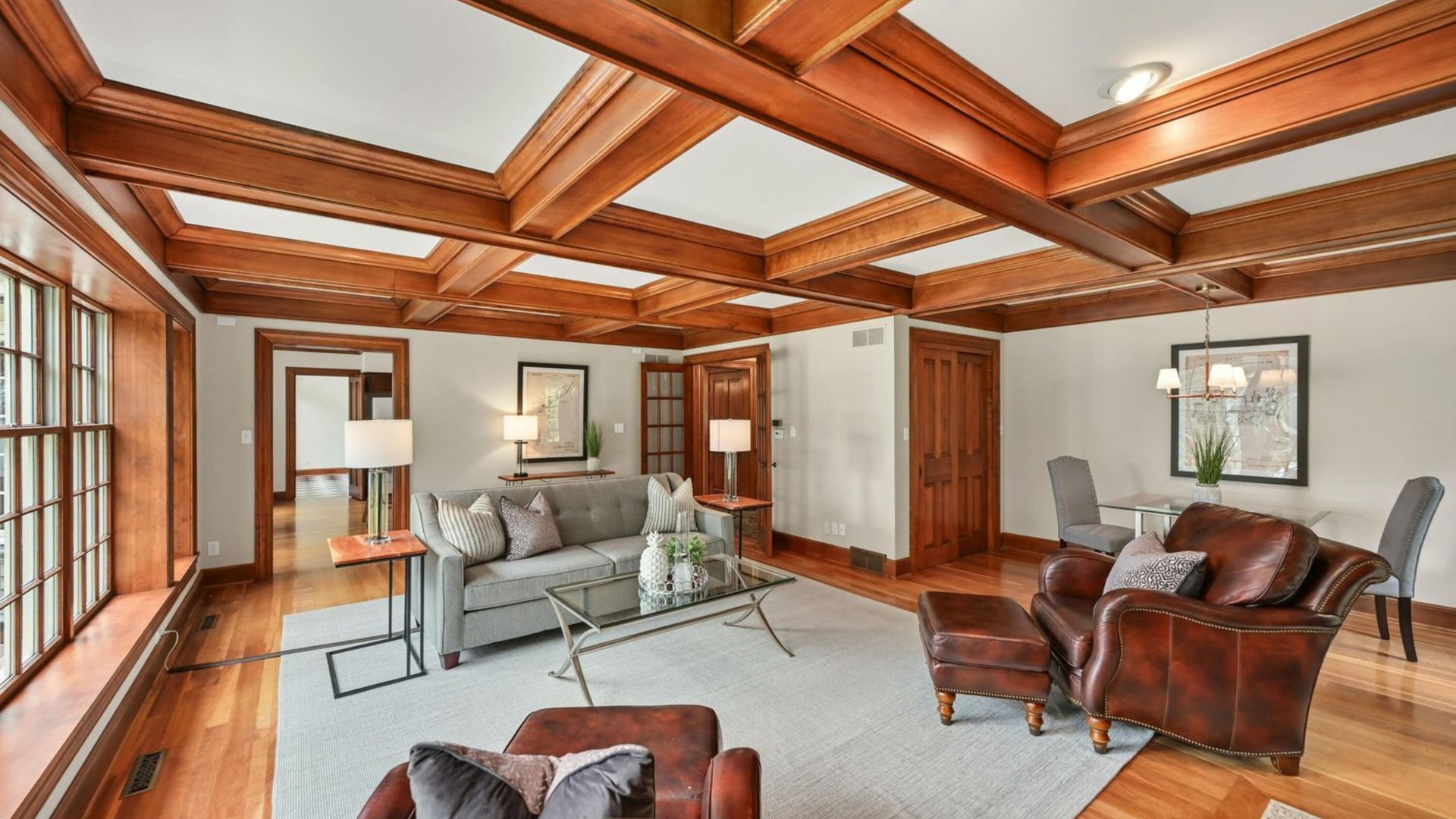
For executives, entrepreneurs, and second-home buyers, convenience can have measurable value.
A luxury condo may provide:
Managed common areas
Building security
Less individual exterior upkeep
Convenient access to dining
Proximity to offices
Easier departure for extended travel
Building amenities
A lock-and-leave lifestyle
This can be particularly attractive for buyers who divide their time between Milwaukee, Chicago, Florida, or other markets.
A large estate may require more coordination while the owner is away.
Someone must maintain the grounds, monitor mechanical systems, arrange snow removal, and respond to unexpected problems.
That can create additional management costs.
For frequent travelers, the savings in time and administrative effort may make a luxury condo financially attractive even when association fees are substantial.
However, condo ownership is not completely maintenance-free.
Owners still need to manage insurance, interior repairs, association obligations, and building-related decisions.
12. Which Property Makes More Sense for Families?
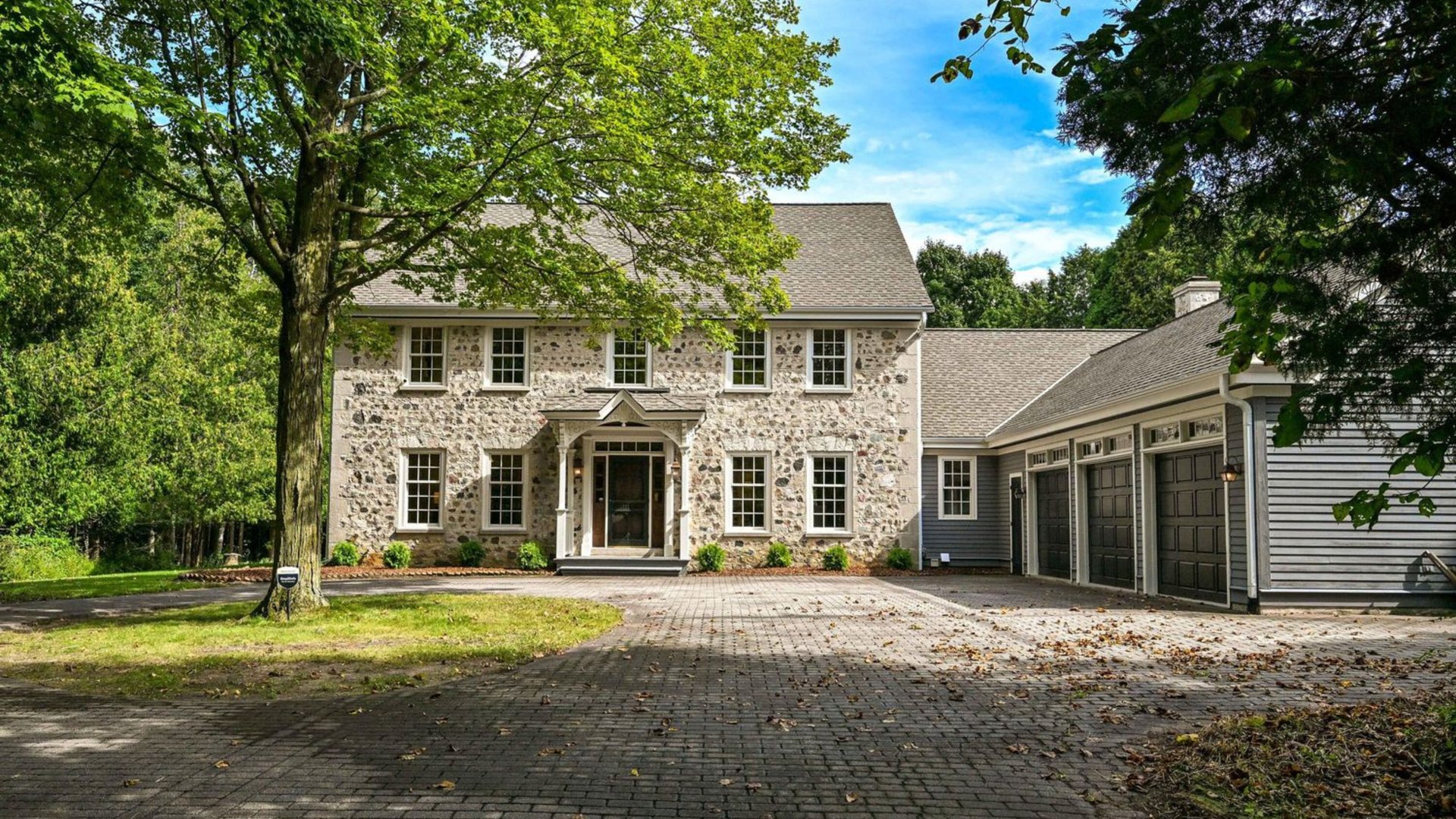
For families seeking long-term residential stability, estate homes may have an advantage.
Larger properties can offer:
Multiple bedrooms
Guest suites
Private home offices
Outdoor recreation
Larger garages
Home gyms
Flexible entertaining areas
Room for multigenerational living
Greater separation between spaces
These features can become increasingly valuable as family needs change.
A family purchasing a luxury estate in Mequon or Elm Grove may plan to remain for many years.
A condominium may offer a different kind of convenience, but space limitations can become a concern if household needs expand.
That does not mean families should avoid luxury condos.
Some high-end units offer generous floor plans, multiple bedrooms, and amenities that make urban family living highly attractive.
The important question is whether the property will continue to meet the household's needs over time.
Moving sooner than expected can generate additional transaction expenses.
A home that remains suitable for ten years may be financially preferable to one that needs replacing after three.
13. A New Luxury Condo Can Be Appealing, but Evaluate the Building
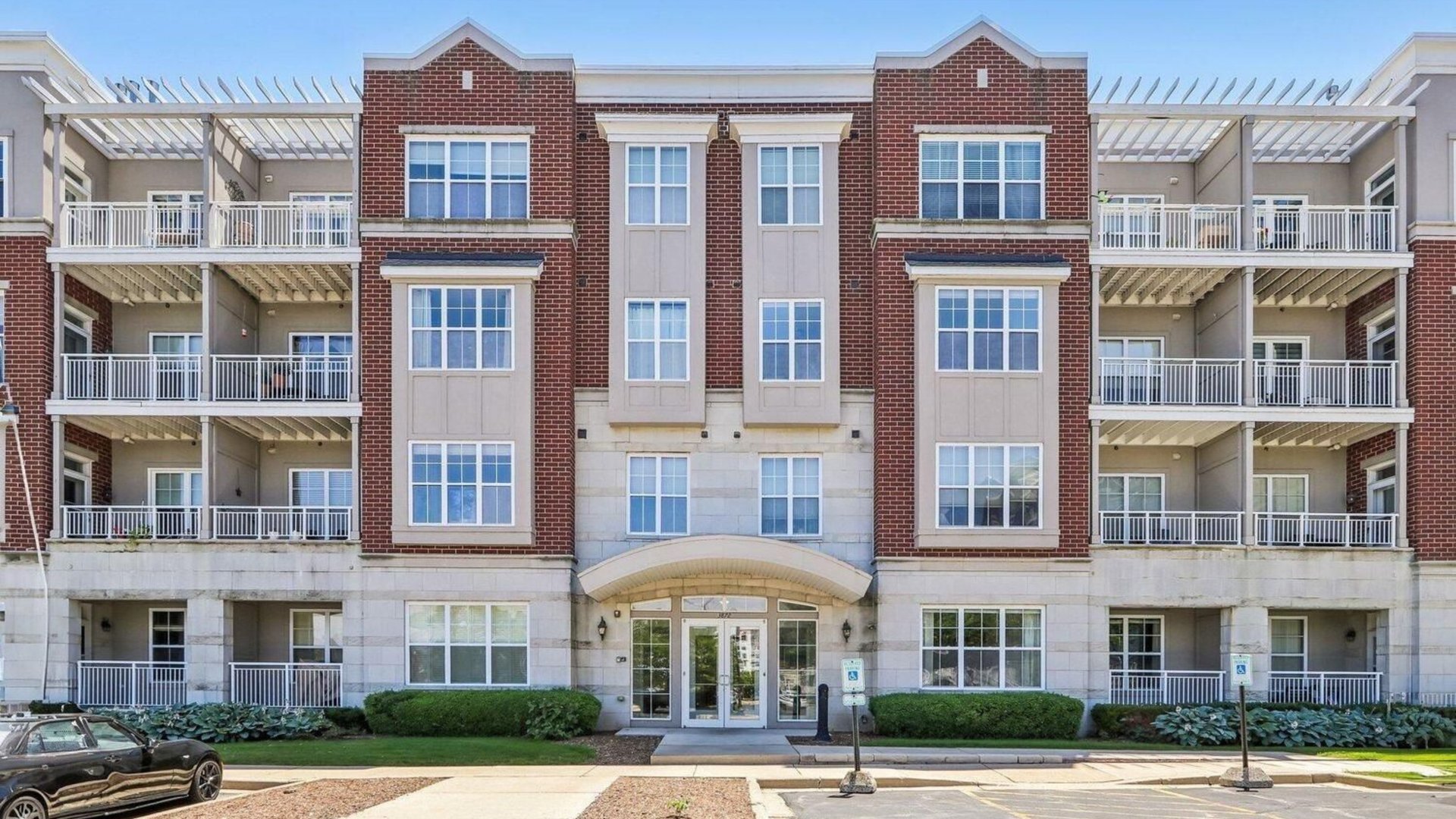
New luxury condominium developments can attract buyers who want modern design, efficient layouts, and a contemporary ownership experience.
But new construction should still be evaluated carefully.
In June 2026, industry reporting described a proposed Milwaukee condominium tower designed to address demand for additional high-end ownership opportunities.
The Milwaukee condominium development report discussed demand for higher-end condo inventory and the challenges developers face when construction costs rise.
For buyers, new construction can offer:
Modern layouts
Updated building systems
Energy efficiency
New amenities
Contemporary finishes
Reduced immediate repair needs
However, buyers should investigate:
Developer reputation
Construction quality
Completion timeline
Warranty terms
Initial association budget
Reserve funding
Amenity operating costs
Parking arrangements
Future development around the building
New does not automatically mean financially superior.
A well-managed established building can sometimes offer a stronger value proposition than a new property with uncertain operating costs.
14. Which Milwaukee Areas Fit Each Ownership Model?

Geography influences both lifestyle and long-term value.
The strongest investment is not necessarily found in the most expensive neighborhood.
It is found where the property aligns with future buyer demand and long-term ownership goals.
15. A Financial Checklist Before Buying

Before choosing between a luxury condo and an estate home, buyers should compare the following factors.
The best decision should consider both measurable expenses and the value of the lifestyle.
Frequently Asked Questions
Are luxury condos in Milwaukee a good investment?
They can be. Luxury condos in Milwaukee may offer strong location appeal, views, convenience, and access to desirable amenities. However, buyers should carefully review association fees, reserve funding, special assessments, building condition, and resale demand.
Do estate homes appreciate faster than luxury condos?
Not necessarily. Estate homes may benefit from scarce land, privacy, and desirable locations, while luxury condos may benefit from exceptional views, walkability, building quality, and limited comparable inventory. Appreciation depends on the individual property and market.
Are luxury condos cheaper to maintain than large estate homes?
Often, but not always. Condo owners typically share many maintenance costs through association fees. Estate homeowners are directly responsible for more of their property's upkeep. Buyers should compare total annual costs rather than assuming one is always cheaper.
What are the biggest financial risks of buying a luxury condo?
Potential risks include rising association dues, special assessments, inadequate reserves, building repairs, insurance changes, and resale limitations associated with the building or association.
What are the biggest financial risks of buying an estate home?
Major expenses can include roof replacement, exterior repairs, landscaping, mechanical systems, pools, drainage, insurance, property taxes, and ongoing maintenance. Large or older estates may have particularly variable costs.
Is a luxury condo better for retirees or frequent travelers?
For many buyers, yes. A luxury condo can offer a more manageable, lock-and-leave lifestyle. However, the choice still depends on the building, association finances, floor plan, and individual preferences.
Should I buy a luxury condo or an estate home in Milwaukee?
The best choice depends on your budget, lifestyle, expected holding period, maintenance preferences, and long-term goals. Buyers who value convenience may prefer a condo, while those seeking privacy, land, and flexibility may prefer an estate.
Final Thoughts
Luxury condos Milwaukee buyers explore and private estate homes across Greater Milwaukee offer two very different paths to high-end ownership.
One prioritizes convenience.
The other prioritizes control.
A luxury condo may provide beautiful views, walkability, security, and reduced day-to-day maintenance responsibilities.
An estate home may provide land, privacy, architectural distinction, and greater freedom to create a personalized environment.
Financially, neither option is automatically superior.
Association fees matter.
Maintenance costs matter.
Insurance matters.
Property taxes matter.
Resale demand matters.
Scarcity matters.
And the length of time you plan to own the home matters.
For some buyers, a luxury condo will provide better overall value because it reduces maintenance responsibilities and preserves flexibility.
For others, an estate home will make more sense because it offers land, privacy, long-term family functionality, and ownership control.
The smartest purchase is the one that supports both your financial strategy and the lifestyle you genuinely want.
The Sewart Group helps buyers evaluate luxury condominiums and estate homes across Greater Milwaukee with local market expertise, property-specific analysis, and personalized guidance.
Whether you are considering a lake-view condominium in downtown Milwaukee or a private estate in Mequon, River Hills, Fox Point, or Elm Grove, the right advisor can help you look beyond the listing price and understand the true value of your next home.
__
Sewart Group
Milwaukee Real Estate (and beyond)
Ranked top 1.5% of agents nationwide
☎️ 414-526-0754