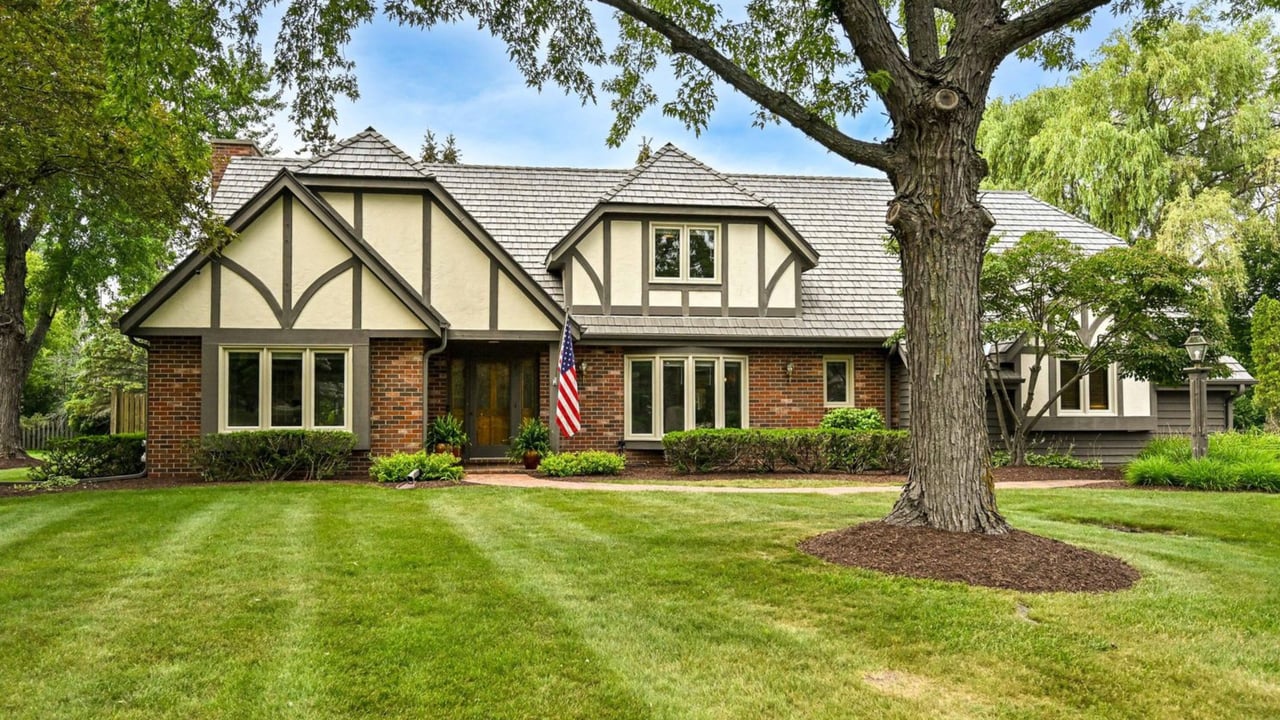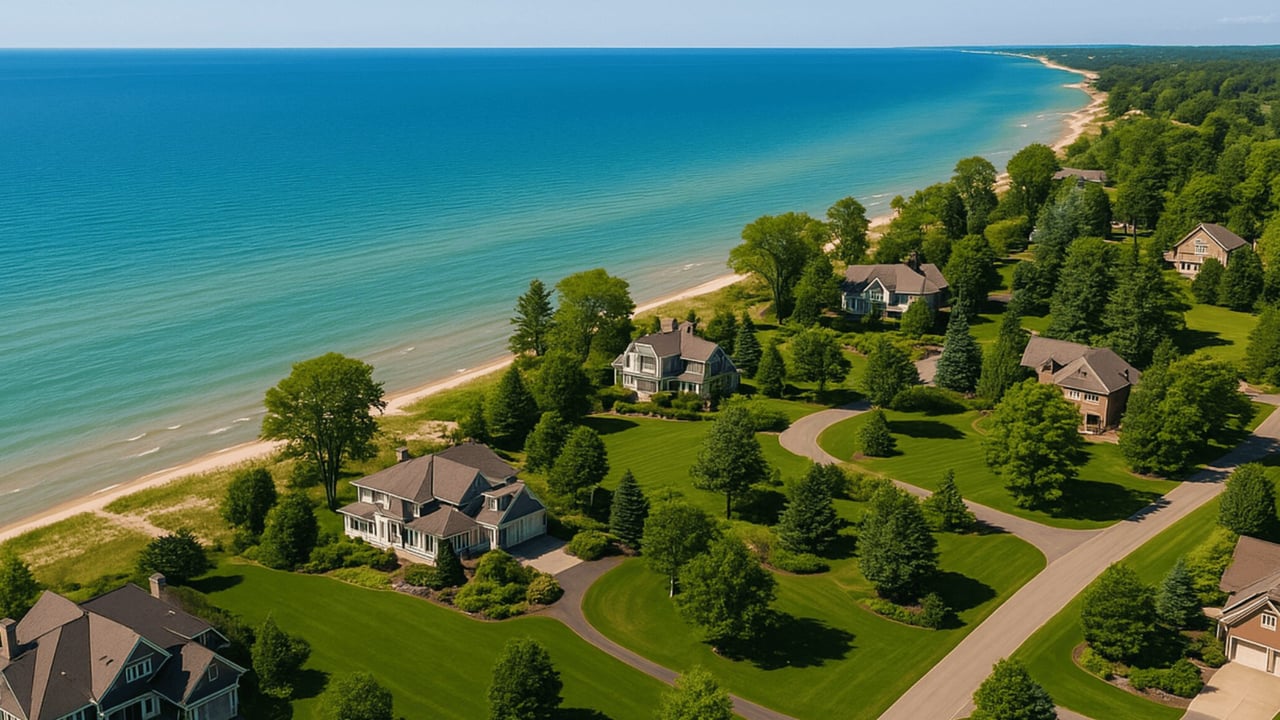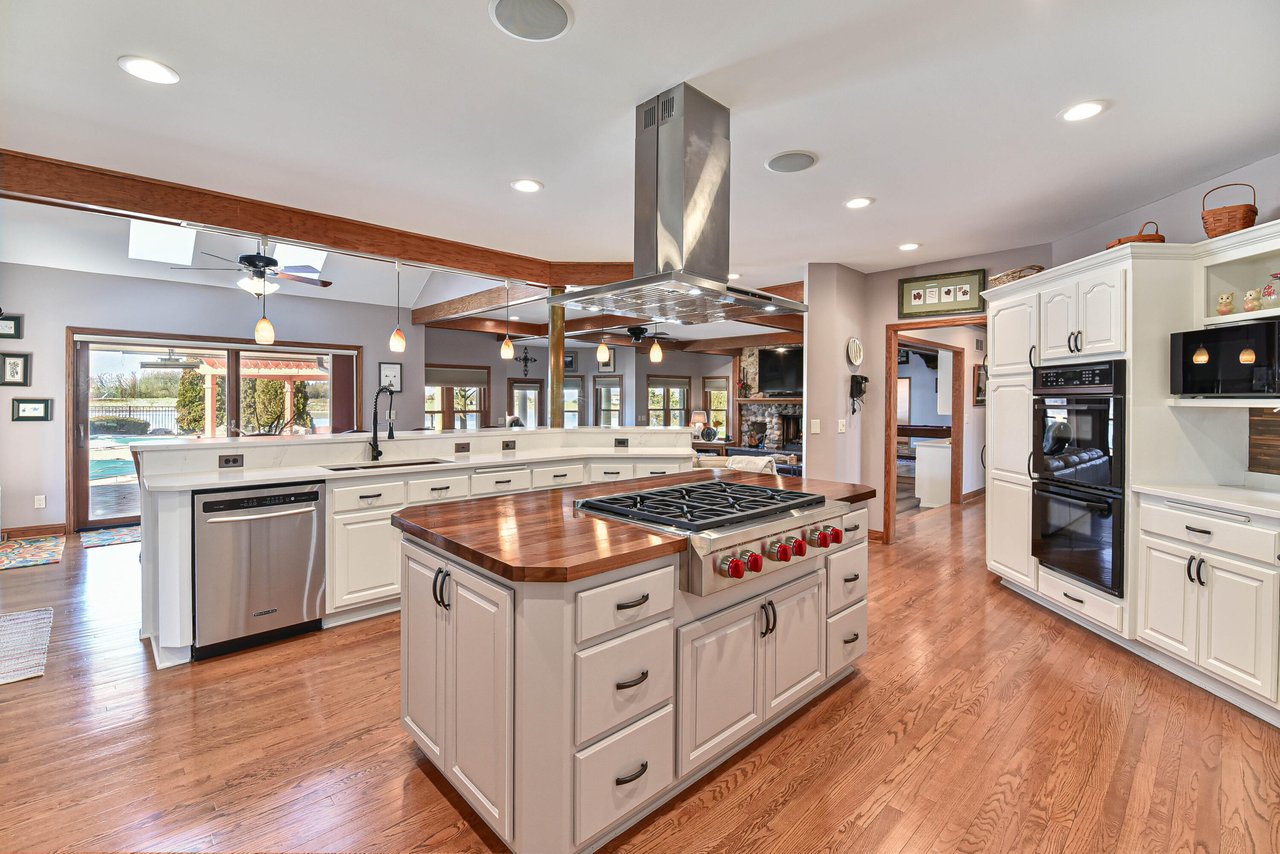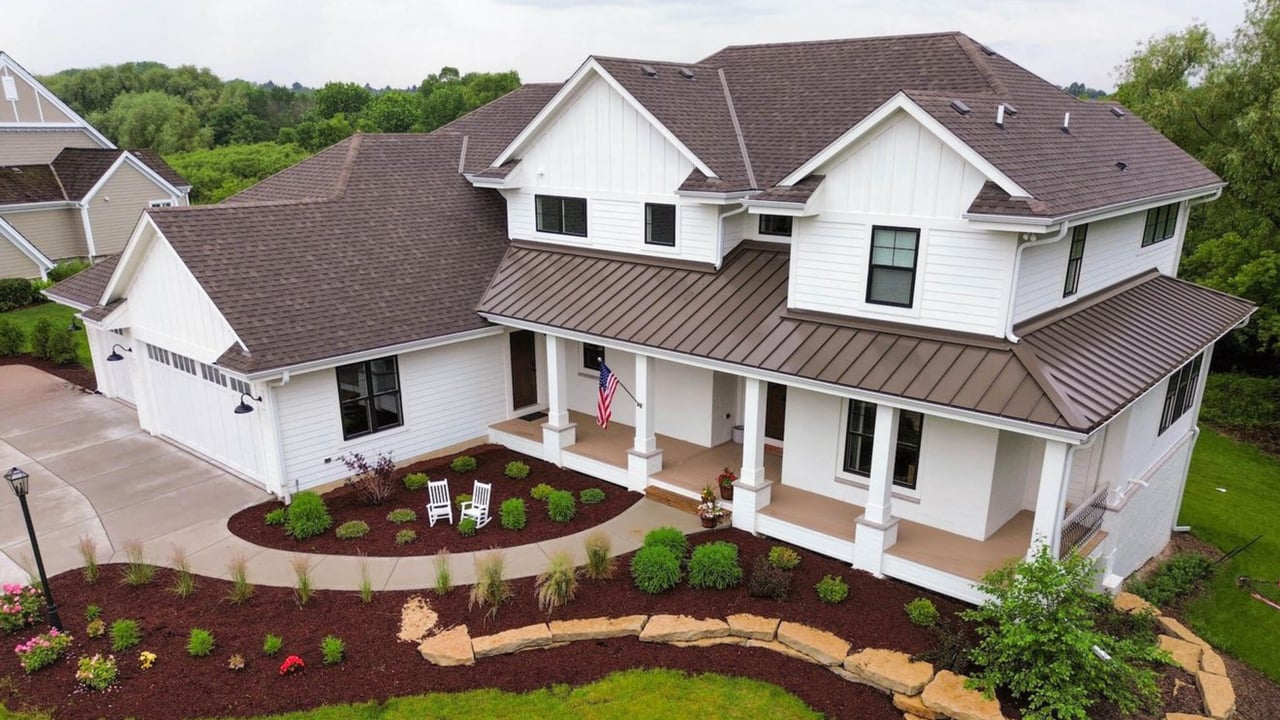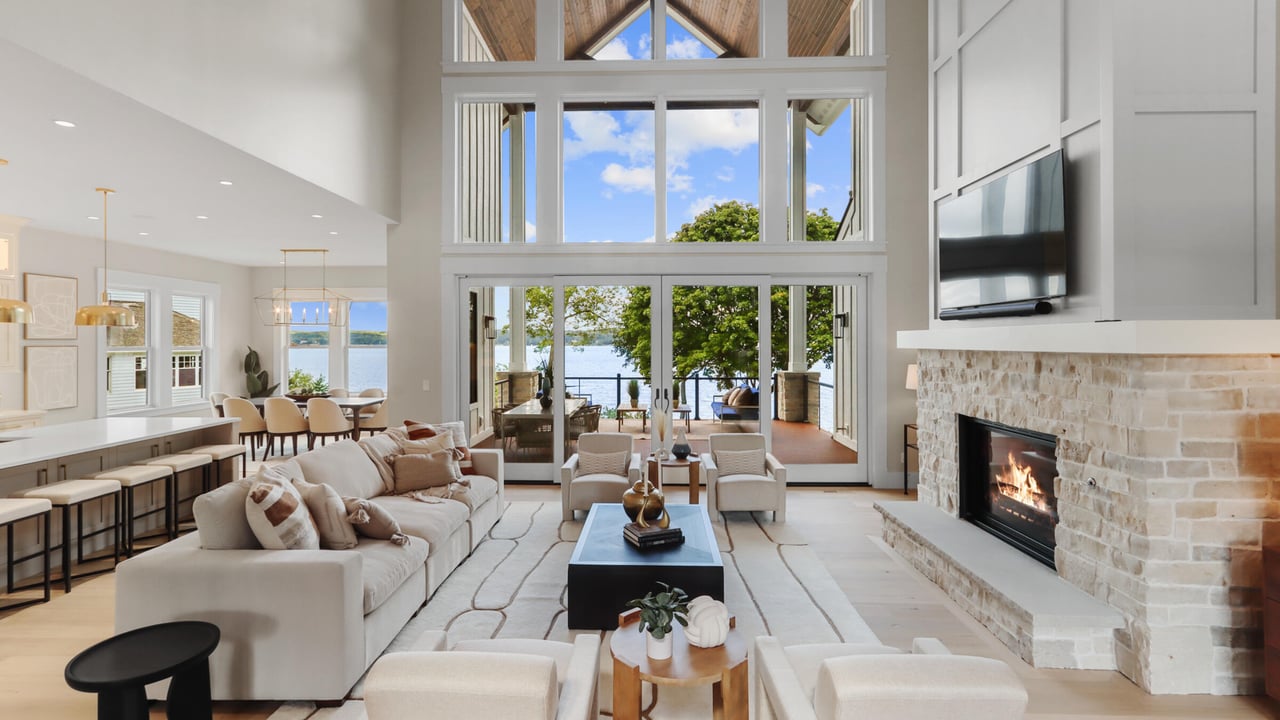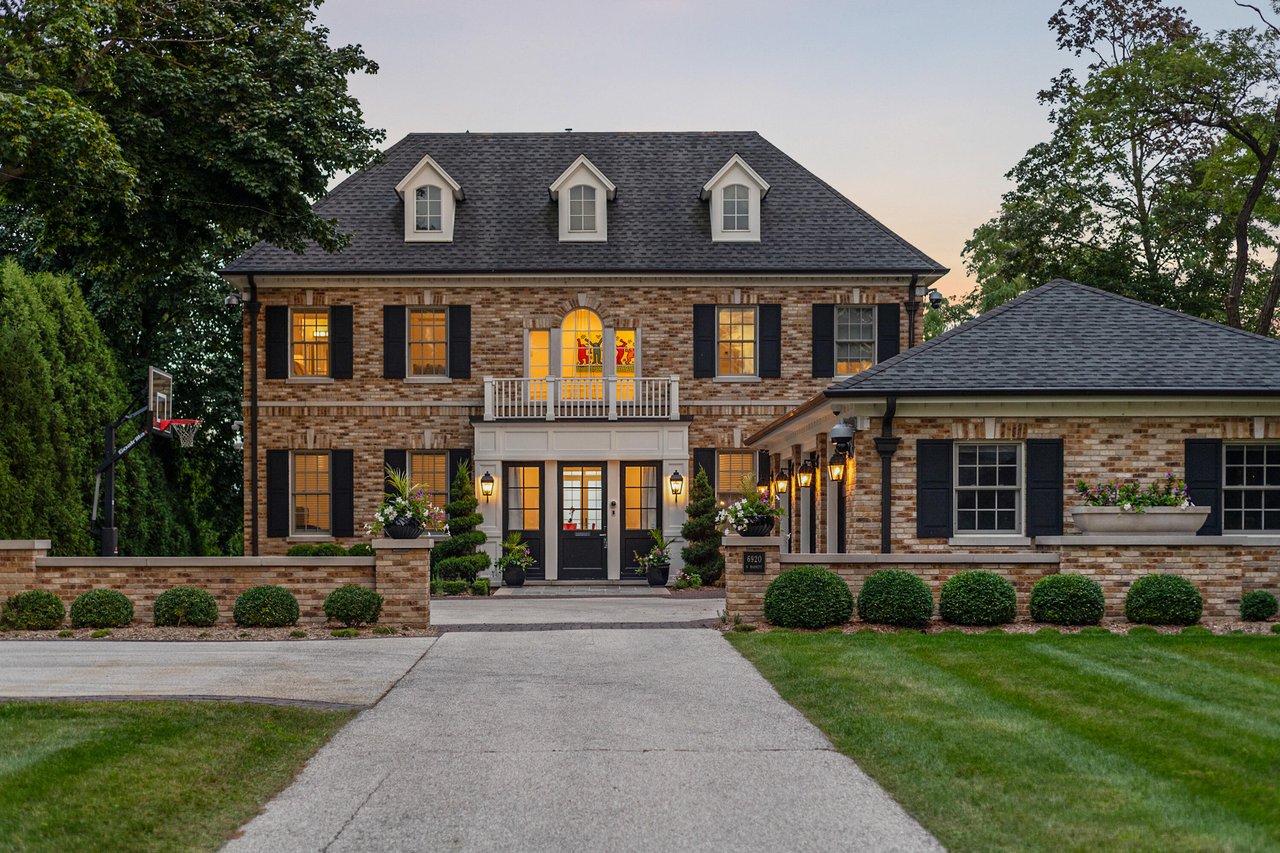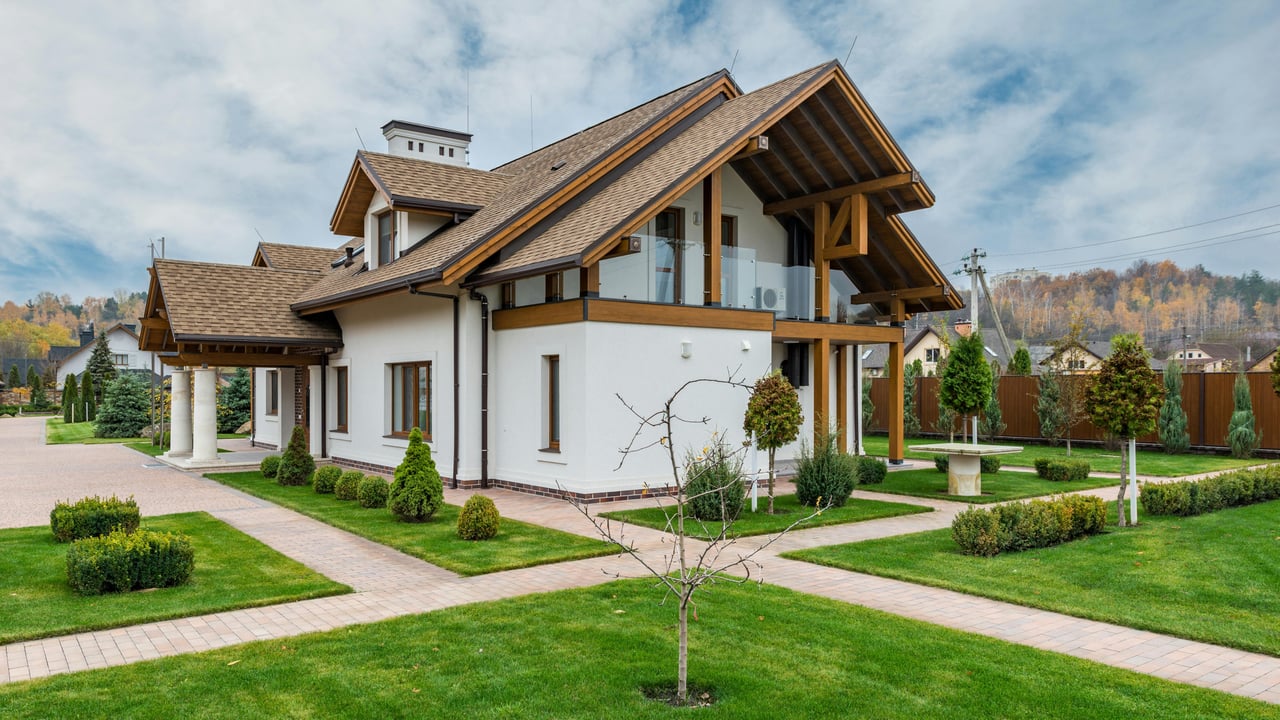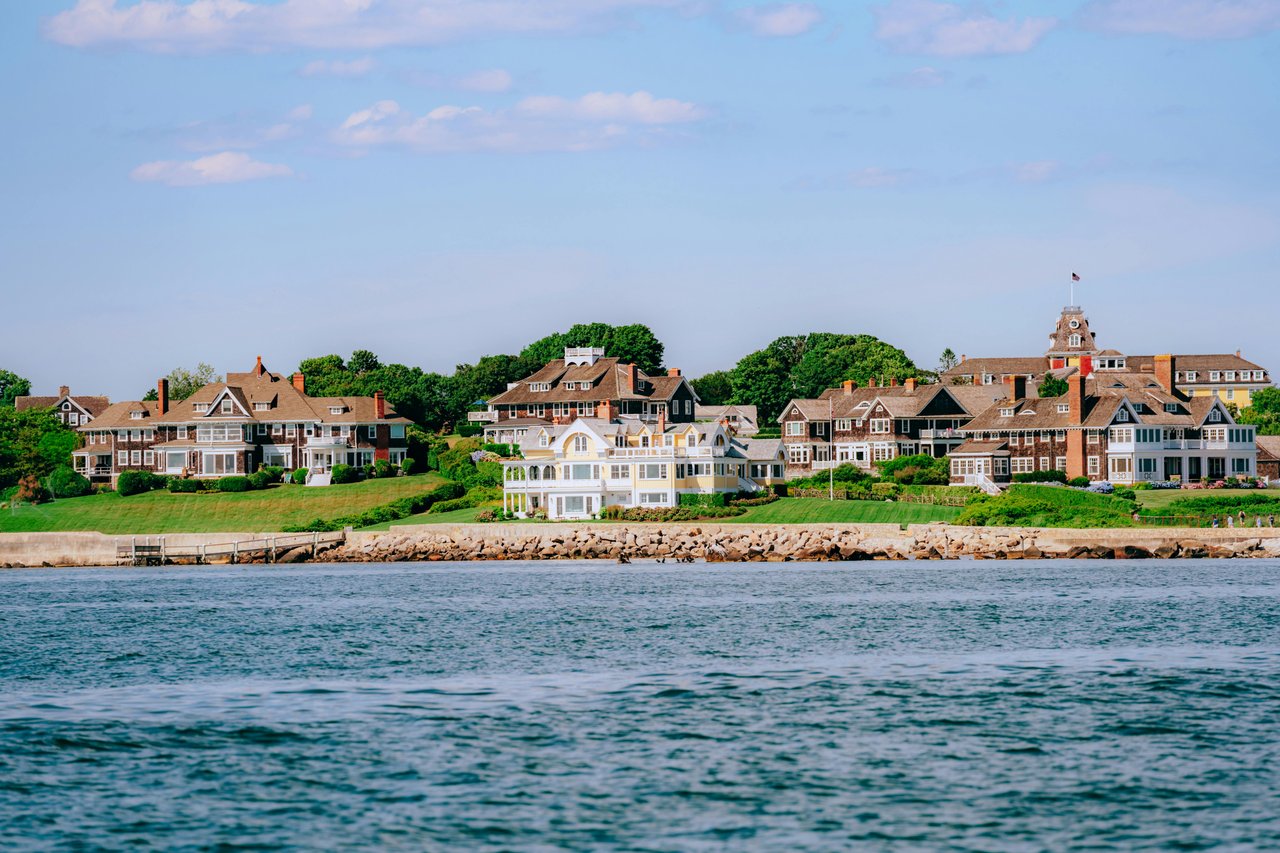
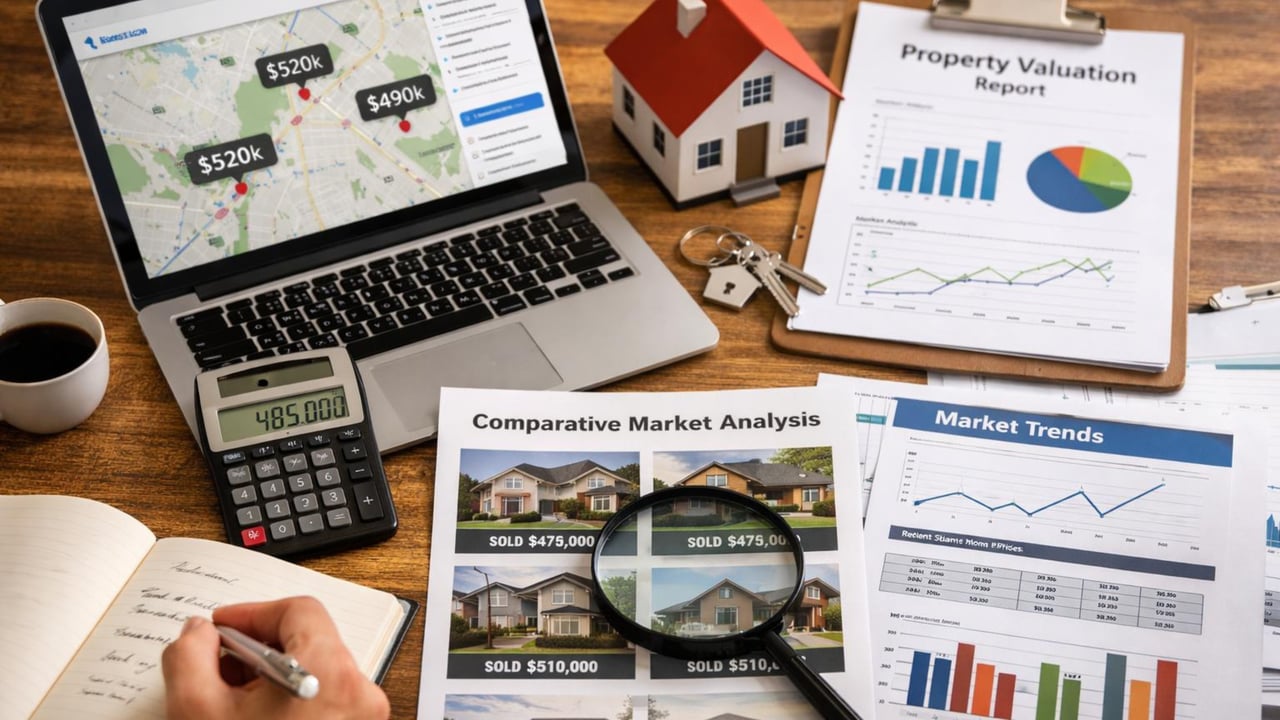
A successful luxury home pricing strategy involves far more than reviewing comparable sales and selecting an attractive asking price.
It requires understanding how affluent buyers think.
How they interpret value.
How they respond to exclusivity.
How they compare competing properties.
And how the price of a home influences their emotional response before they ever schedule a showing.
For luxury homeowners in Greater Milwaukee, these details matter enormously.
A custom estate in Mequon, an architecturally significant residence in Whitefish Bay, a secluded property in River Hills, or a Lake Michigan waterfront home may have very few direct comparisons.
That makes pricing both an analytical and psychological exercise.
A price that is too high may discourage qualified buyers before they explore the property.
A price that is too low may fail to communicate its unique value or leave money on the table.
The objective is not simply to choose the highest possible number.
It is to identify the price that positions the home competitively, encourages serious buyer engagement, and supports the strongest achievable outcome.
In luxury real estate, the right asking price does more than communicate cost. It shapes perception.
Let's explore the psychology behind pricing a luxury home correctly and why the first pricing decision can influence the entire selling experience.
Why Luxury Home Pricing Is Different
Traditional residential pricing often relies on relatively straightforward comparisons.
Square footage.
Bedroom count.
Bathroom count.
Lot size.
Recent neighborhood sales.
Luxury properties require a more nuanced approach.
A $2 million home in Mequon may include multiple acres, custom construction, a resort-style backyard, and exceptional privacy.
A similarly priced residence in Whitefish Bay may offer historic architecture, lake proximity, and walkability.
A downtown Milwaukee penthouse may command a premium for panoramic views, secure parking, and building amenities.
All three may occupy a similar price range.
But they appeal to different buyers.
A luxury home pricing strategy must account for characteristics that are difficult to measure using simple formulas.
These include:
Architectural distinction
Property scarcity
Privacy and land
Lake Michigan proximity
Renovation quality
Interior design
Outdoor living spaces
Neighborhood reputation
Buyer expectations
Lifestyle appeal
Market timing
Competing luxury inventory
The National Association of REALTORS® guide to pricing a home explains why location, property condition, amenities, comparable sales, and current market conditions all influence a recommended asking price.
For luxury homes, evaluating these factors requires even more precision because the number of comparable transactions is often limited.
The challenge is determining not simply what the seller believes the home is worth, but what a qualified buyer will recognize and be willing to pay.
The Psychology of Price: Buyers Make Emotional and Financial Decisions
Affluent buyers are often experienced decision-makers.
They may understand investments, business valuations, financing, and negotiation.
However, purchasing a luxury home remains deeply personal.
Buyers may approach the transaction analytically, but their interest is often influenced by emotion.
A property may create an immediate sense of connection.
The architecture feels right.
The setting offers privacy.
The kitchen supports entertaining.
The view is unforgettable.
The home feels like a natural extension of the buyer's lifestyle.
Price helps shape whether that emotional response becomes serious consideration.
A buyer evaluating a $2.5 million property will immediately compare it with other homes available near that level.
If the home offers exceptional features and appears competitively positioned, the price can reinforce confidence.
If the price seems disconnected from competing properties, the same buyer may hesitate.
The home may still be beautiful.
But the perceived value becomes uncertain.
That is why luxury pricing requires a balance between aspiration and credibility.
1. Price Anchoring: The First Number Shapes Expectations
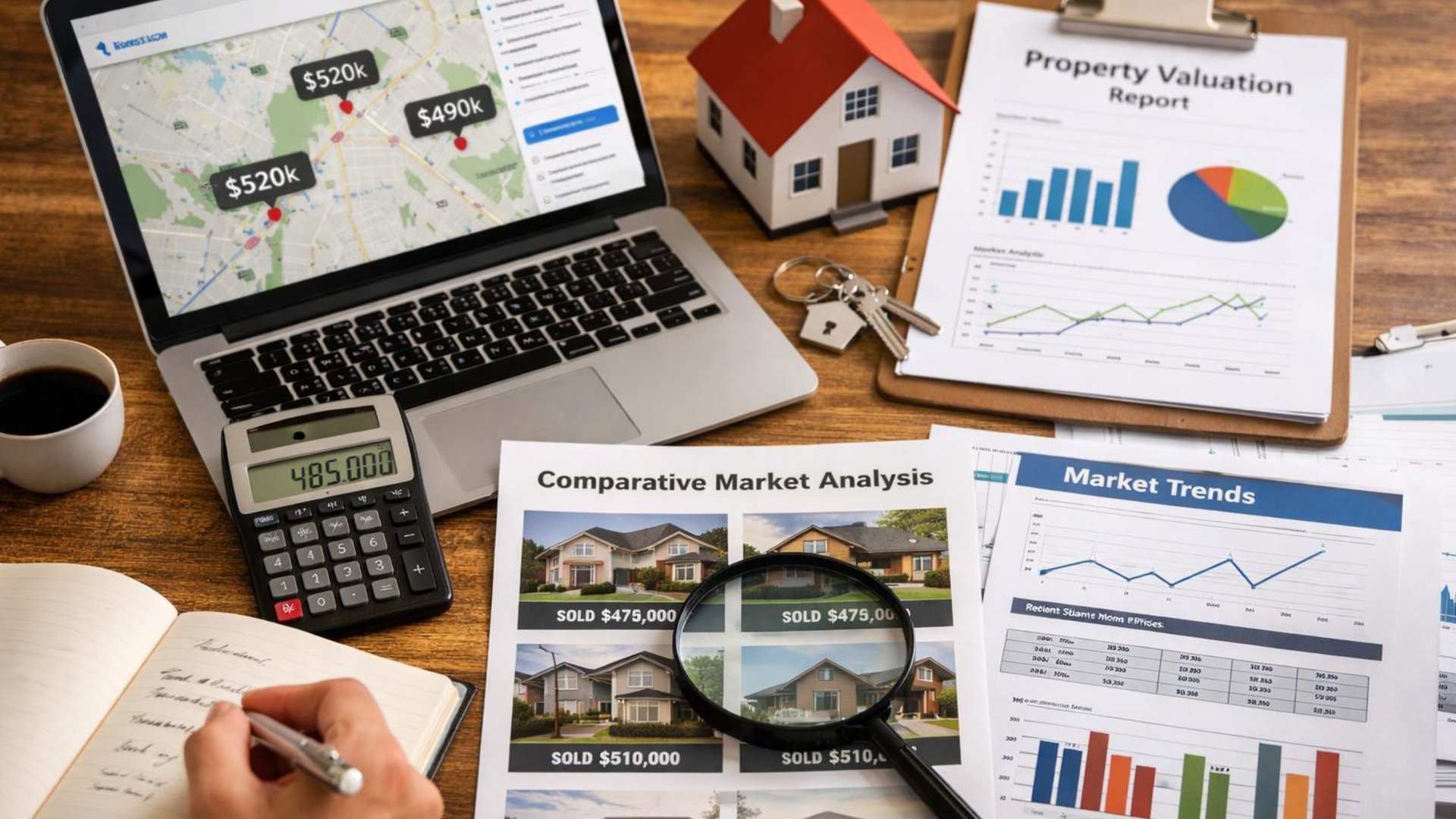
Price anchoring is a psychological principle describing how people use an initial number as a reference point when evaluating subsequent information.
In real estate, the listing price becomes a major reference point.
Consider two similar luxury properties.
One is listed at $2.25 million.
Another is listed at $2.75 million.
Before viewing either property, buyers may form different expectations about quality, location, finishes, and exclusivity.
The higher-priced home may be expected to deliver a significantly more impressive experience.
If the property fails to justify that difference, the price can work against it.
Buyers may conclude that the seller is unrealistic.
Alternatively, a home priced appropriately within its competitive segment may feel compelling because the experience matches or exceeds expectations.
This is where thoughtful pricing matters.
The goal is to establish a credible value expectation and then support it through architecture, condition, presentation, and marketing.
A high asking price should be supported by the home's actual market position.
Not simply by the seller's preferred outcome.
2. Why Overpricing Can Reduce Buyer Interest
Overpricing is one of the most common mistakes luxury sellers make.
The reasoning often sounds logical:
"We can start higher and negotiate down."
But buyers do not always respond that way.
Many luxury buyers are highly informed.
They may have toured several properties, studied the neighborhoods, reviewed recent sales, and consulted experienced advisors.
When a property appears substantially overpriced, they may simply remove it from consideration.
The consequences can include:
Fewer qualified showings
Reduced early interest
Longer time on market
Increased buyer skepticism
More difficult negotiations
Eventual price reductions
Greater carrying costs
A September 2026 Redfin report on home sellers reducing asking prices found that 21.1% of active U.S. listings had a price reduction during the four weeks ending September 20.
That is national housing-market data, not a Milwaukee luxury-specific statistic.
However, the underlying lesson remains relevant.
When sellers start too far above market expectations, they may eventually need to adjust their price to attract buyers.
For luxury properties with smaller buyer pools, that loss of early momentum can become particularly important.
3. The First Impression Begins Before the Showing
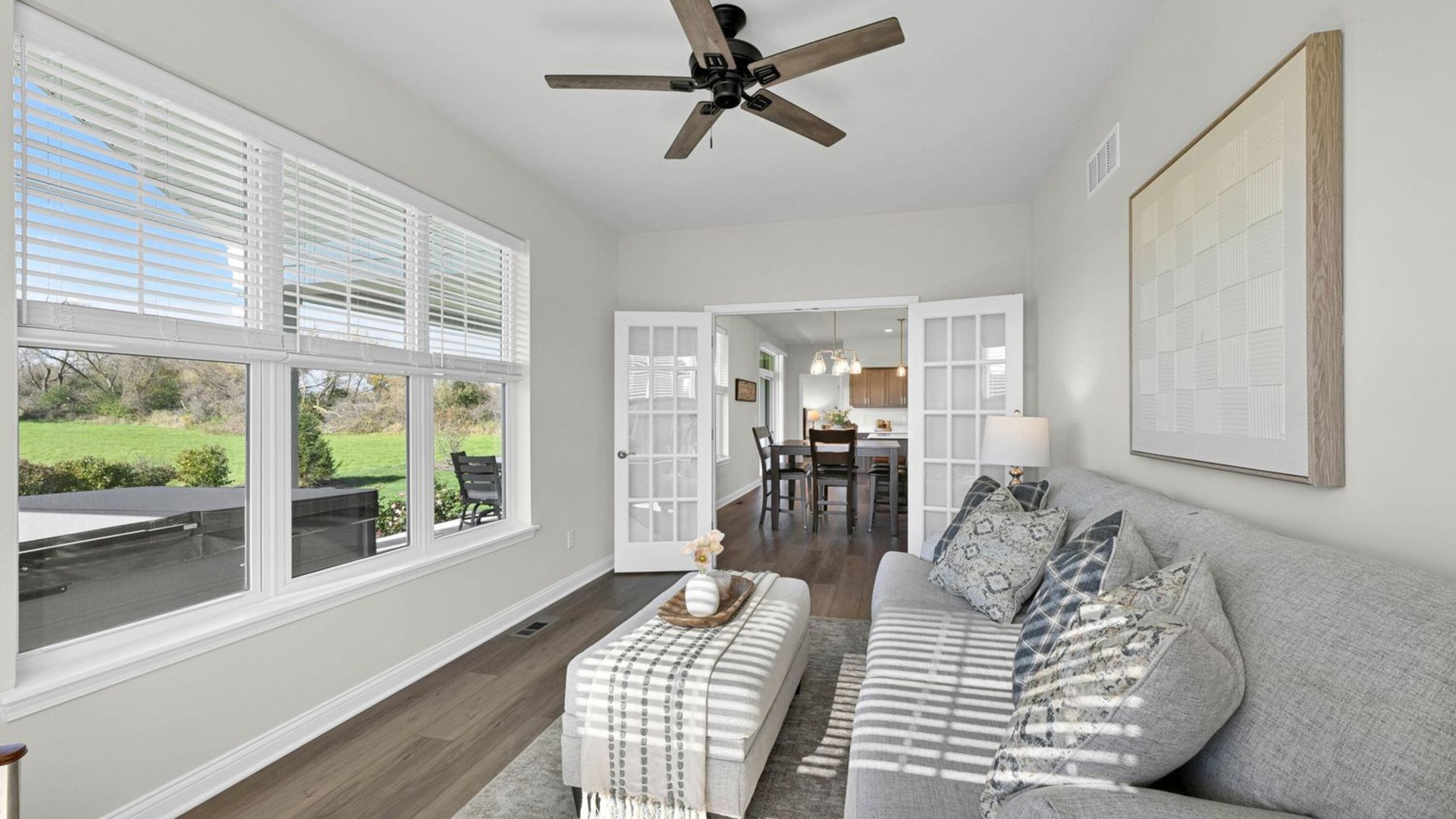
Luxury buyers begin evaluating a property long before walking through the front door.
They may first encounter the listing through:
An online property search
A luxury real estate advisor
A private client network
A professional listing presentation
A digital advertisement
A referral
A property video
A social media campaign
At that moment, buyers begin comparing value.
They evaluate the asking price alongside photography, location, design, condition, and amenities.
If those elements feel aligned, the listing may generate curiosity.
If the asking price seems unjustified, the buyer may never request a showing.
That means pricing and presentation cannot be separated.
A home listed at $2.8 million must communicate why it belongs in that competitive category.
Professional photography, compelling property descriptions, strong design presentation, and neighborhood positioning help support that message.
But marketing cannot permanently overcome a price that exceeds what the market will support.
The strongest luxury listings combine exceptional presentation with credible pricing.
4. Scarcity Can Strengthen Perceived Value
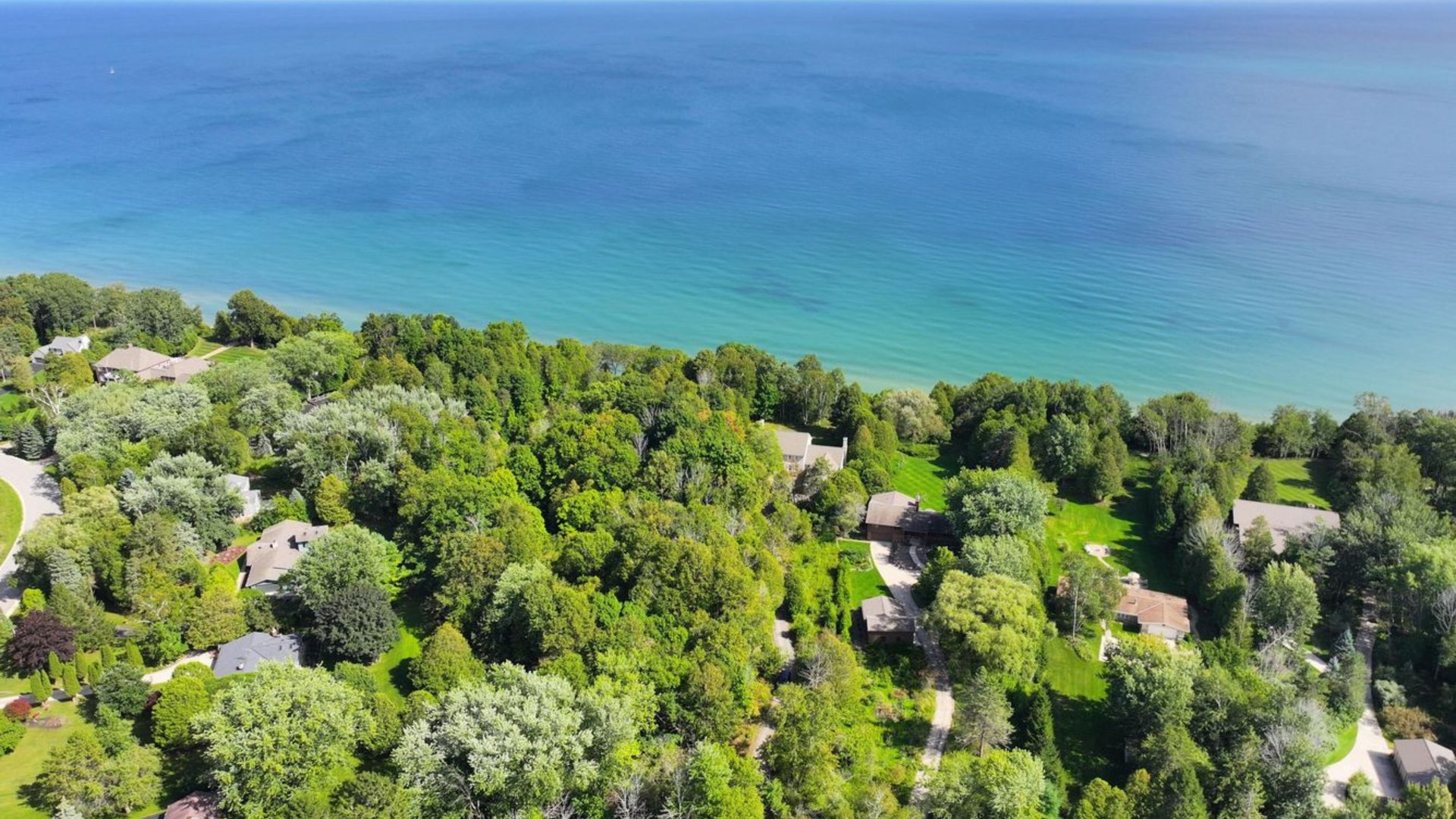
Scarcity is an important psychological factor in luxury real estate.
Buyers often place greater value on properties that are difficult to replace.
A lakefront property may offer a view that cannot be duplicated.
A historic Whitefish Bay residence may contain architectural details no longer commonly built.
A River Hills estate may offer acreage and privacy unavailable in denser neighborhoods.
A custom Mequon property may combine land, modern design, and outdoor living in a way few competing homes can match.
These features create genuine differentiation.
For luxury sellers, scarcity can support premium pricing when qualified buyers recognize its value.
However, scarcity must be evaluated carefully.
A rare feature is not automatically valuable to everyone.
An unusual floor plan may be rare but undesirable.
A highly customized interior may appeal to only a small number of buyers.
The strongest pricing strategies distinguish between features that are genuinely scarce and desirable, and features that are simply unusual.
This distinction matters because luxury buyers pay premiums for exceptional value, not uniqueness alone.
5. Search Price Brackets Influence Visibility

Luxury buyers often search for homes within defined price ranges.
They may look for properties between $1.5 million and $2 million.
Or between $2 million and $2.5 million.
Or between $2.5 million and $3 million.
That means small pricing decisions can influence which buyers discover the listing.
For example, a home listed at $2,005,000 may be excluded from a search capped at $2 million.
A home listed at $1,995,000 may appear in that search.
But pricing just below a threshold is not always the right decision.
A property may receive better positioning at an even-numbered luxury price point, depending on the buyer audience and how listing platforms organize search ranges.
Example: How Pricing Can Affect Buyer Search Exposure
These are illustrative examples. Actual search visibility depends on the platform and the buyer's selected filters.
A strong pricing strategy considers not only valuation, but also how prospective buyers search for homes.
The goal is to reach the most relevant audience without misrepresenting the property's value.
6. Why Days on Market Influence Buyer Perception
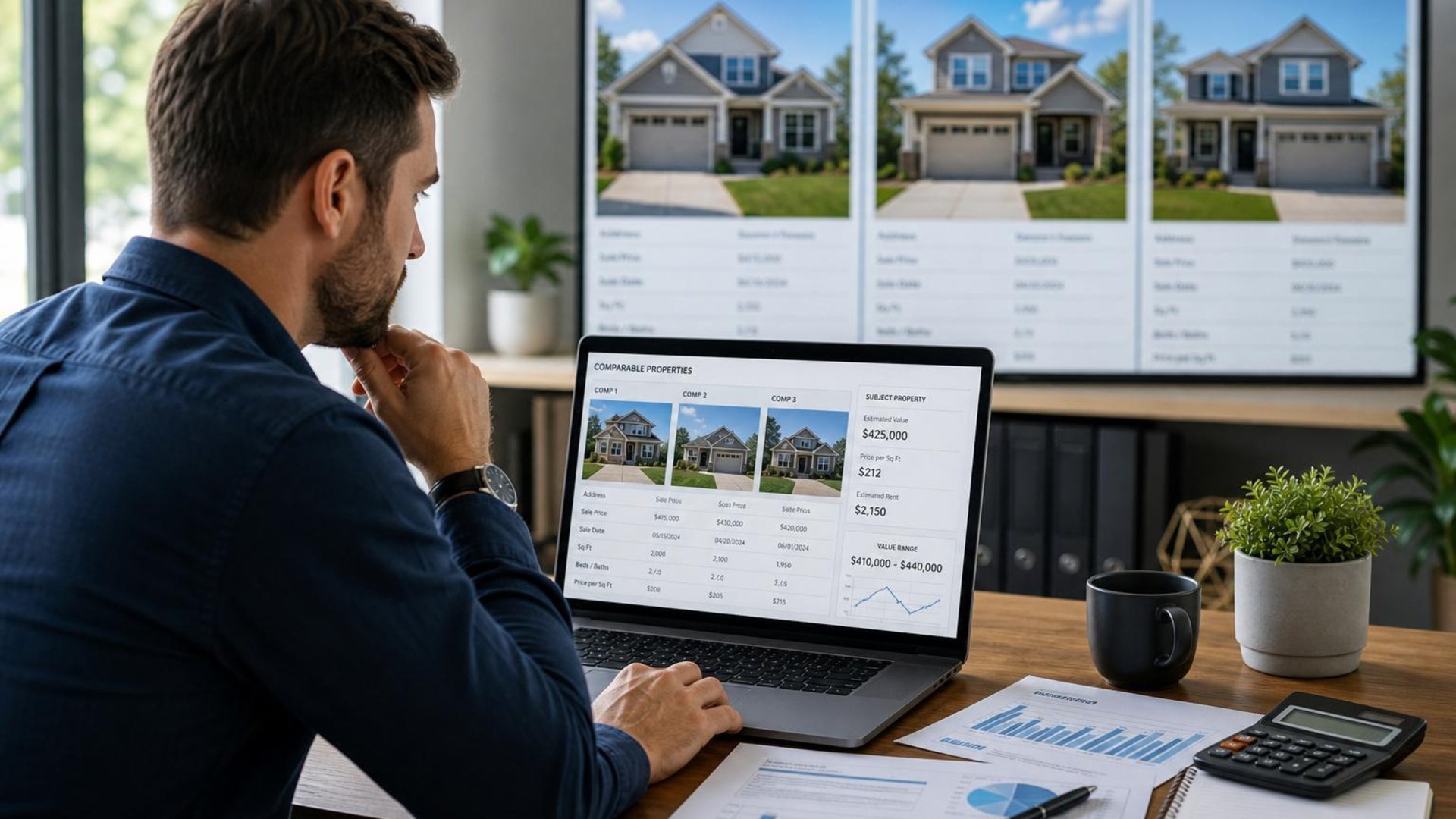
When a luxury property first enters the market, buyers may view it as a new opportunity.
As time passes, that perception can change.
A buyer encountering a listing that has been available for several months may begin asking:
Why hasn't it sold?
Is the price too high?
Are there inspection issues?
Is the seller difficult to negotiate with?
Is there something wrong with the location?
Those assumptions may be inaccurate.
A luxury home can take longer to sell simply because the buyer pool is smaller.
However, extended marketing time can still affect how buyers interpret a listing.
The National Association of REALTORS® discussion of listing price reductions explains how properties remaining on the market longer may create additional negotiating opportunities for buyers.
For sellers, the lesson is not that every luxury home must sell immediately.
It is that pricing should account for realistic demand, expected marketing time, and the potential consequences of prolonged exposure.
A property that generates strong early interest often provides the seller with more useful market feedback than one that receives little attention.
7. Buyers Compare Value, Not Just Price
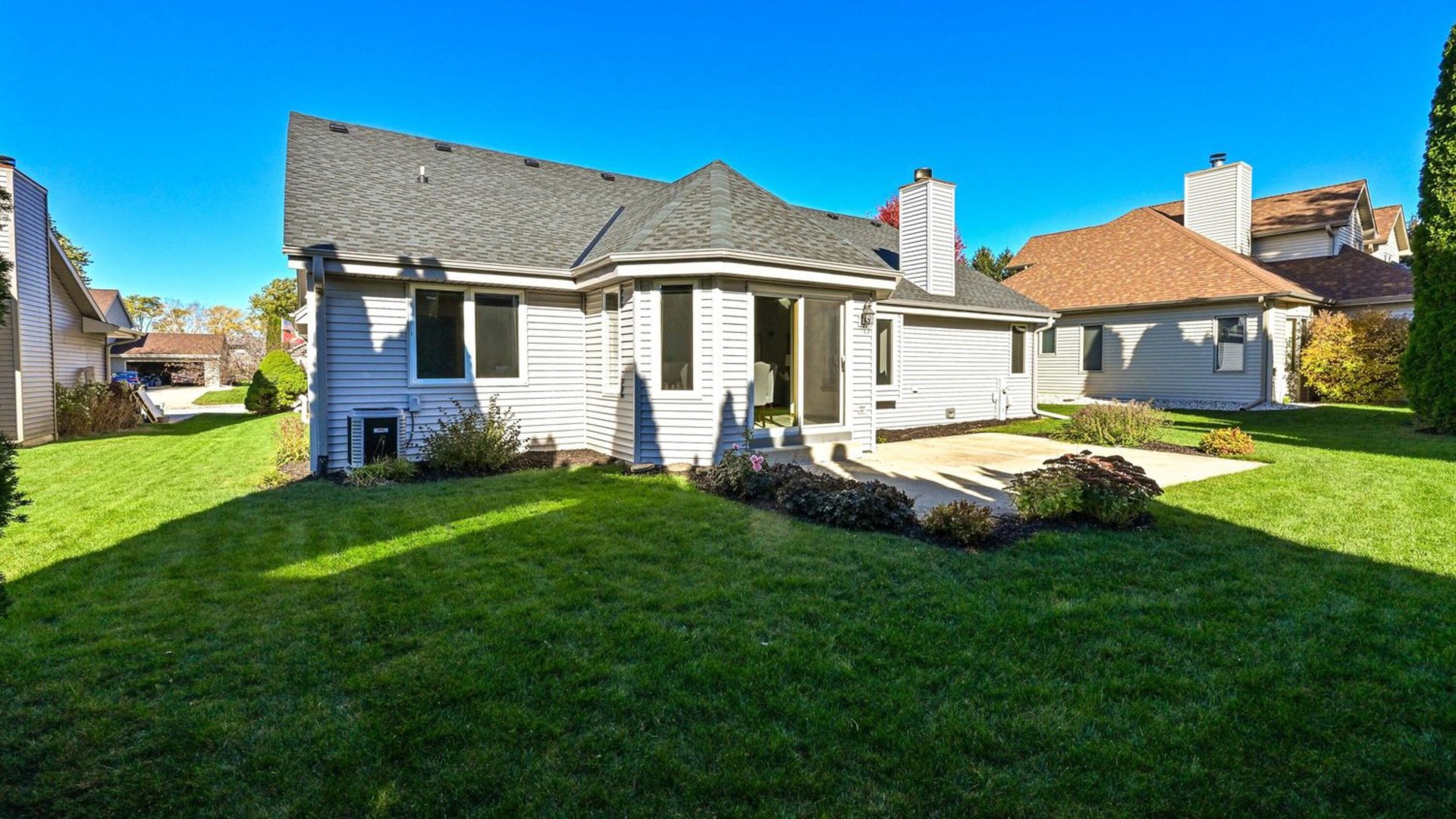
Luxury buyers rarely evaluate a home in isolation.
They compare it against alternatives.
A buyer considering a $2.4 million Mequon estate may also explore:
A renovated Whitefish Bay residence
A private River Hills property
A newer luxury home in Elm Grove
A waterfront residence in Fox Point
A high-end downtown condominium
Each property offers a different combination of benefits.
For one buyer, privacy may justify paying more.
For another, walkability may be more important.
A third may prioritize a turnkey home with minimal maintenance.
That means the seller's asking price must reflect the property’s position within the broader competitive landscape.
A home that is more expensive than its alternatives must offer a compelling reason.
That reason may be architectural scarcity, condition, land, views, location, or an exceptional lifestyle.
Without clear differentiation, buyers may see the property as overpriced.
8. Strategic Pricing Is Not the Same as Underpricing
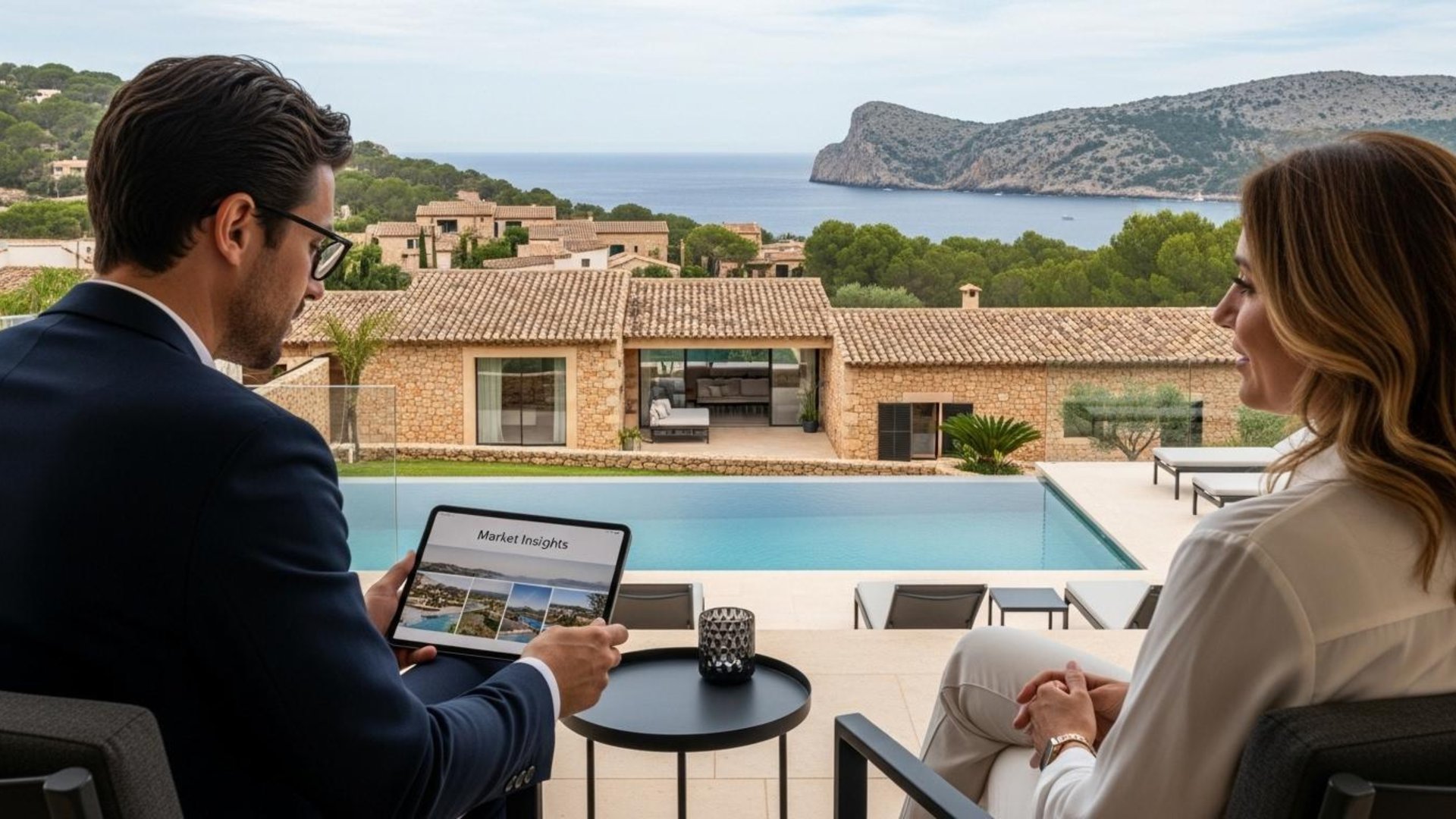
Some sellers believe that pricing competitively means accepting less than the home is worth.
That is not necessarily true.
Strategic pricing means selecting an asking price supported by evidence and aligned with the seller's goals.
It does not require discounting an exceptional property.
A rare lakefront estate may justify a substantial premium.
A historically significant residence may deserve pricing that reflects its scarcity.
A turnkey home in a highly desirable location may command stronger interest than a similarly sized property requiring extensive improvements.
The key is ensuring that the premium can be explained and defended.
Luxury pricing should reflect:
Market-supported value
Property-specific advantages
Competitive inventory
Condition
Buyer demand
Scarcity
Seller timing
Expected exposure strategy
A property should not be priced below its supported value simply to generate attention.
Nor should it be priced far above market expectations in the hope that a buyer will ignore the alternatives.
Precision matters more than extremes.
9. The Psychology of Price Reductions

Price reductions can be useful.
But they should be handled strategically.
When a luxury property receives limited interest, the problem may involve pricing, presentation, condition, buyer targeting, or a combination of factors.
Reducing the price may attract a new audience.
However, repeated small reductions can create a different impression.
Buyers may begin expecting further discounts.
They may question the seller's confidence.
They may delay offers because they believe the asking price will continue falling.
Consider a hypothetical example.
The total reduction is $255,000.
But the more important issue may be the time and buyer momentum lost during the process.
A strategically selected initial price might have attracted qualified interest sooner.
That does not mean every price reduction is a mistake.
Market conditions can change, and feedback can reveal information that was not available before listing.
The objective is to make adjustments based on evidence rather than frustration.
10. Private Marketing Can Help Evaluate Buyer Response

Some luxury sellers prefer a more controlled marketing process.
They may want to protect privacy, prepare the property, or gather early feedback before a broader public launch.
Eligible private or pre-market strategies can sometimes support those goals.
However, private marketing and public marketing serve different purposes.
A smaller initial audience may provide useful feedback, but it can also limit buyer reach.
The right strategy depends on the property and the seller's priorities.
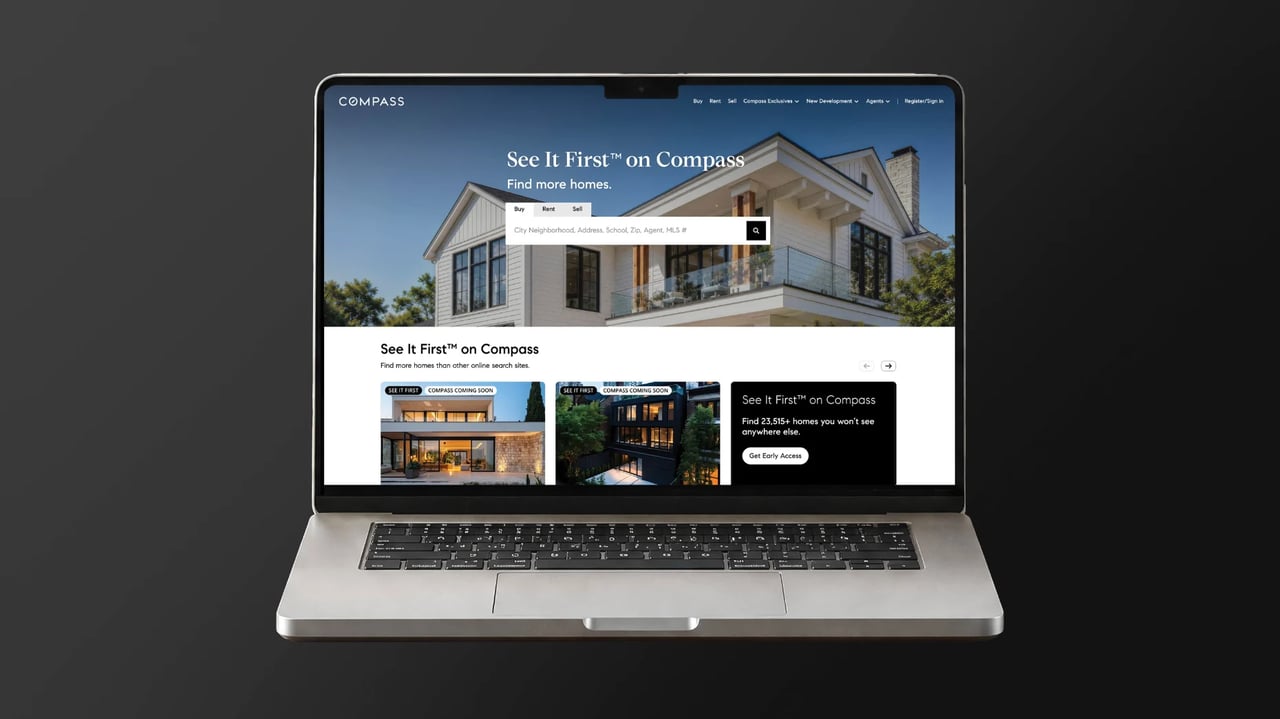
The Sewart Group's recent article on Compass See It First™ and early access to Milwaukee homes explains how certain eligible pre-market options may help sellers introduce properties and evaluate buyer response before wider marketing.
For luxury sellers, this can be part of a broader pricing strategy.
It should not replace a thorough market analysis or be treated as proof that a higher sale price is guaranteed.
The best approach balances privacy, pricing feedback, and sufficient exposure to qualified buyers.
11. Different Milwaukee Neighborhoods Require Different Pricing Strategies
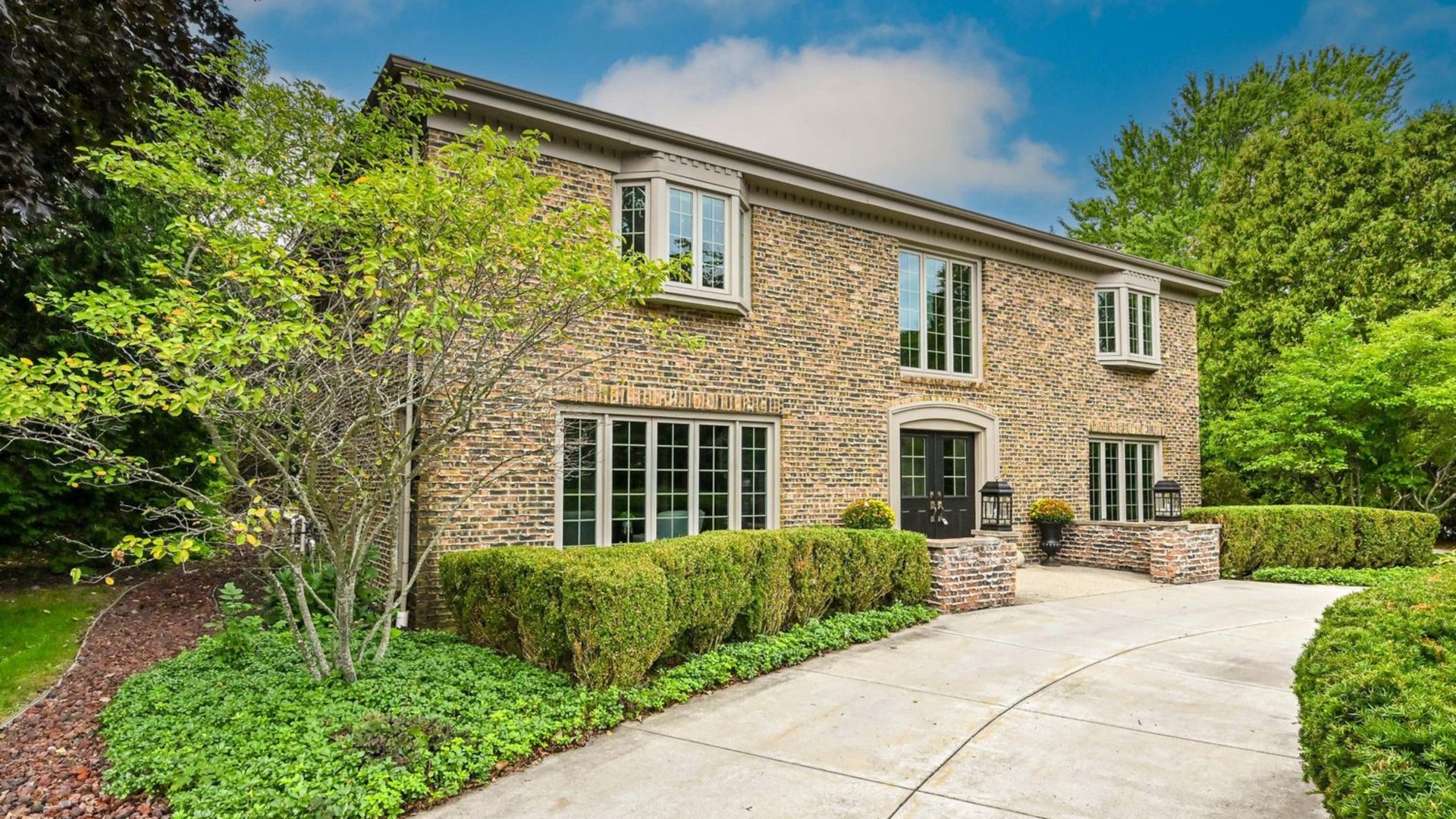
Greater Milwaukee does not have one uniform luxury market.
Each community attracts different buyers.
A pricing strategy that works in Mequon may not be appropriate in Shorewood.
A historic residence along Lake Drive may need a different analysis than an estate in River Hills.
The Sewart Group's Port Washington luxury market update also emphasizes the importance of pricing realistically while considering condition, views, finishes, and the specific nature of the luxury market.
This reinforces an important principle.
Luxury pricing is local.
Buyers evaluate properties based on the alternatives available in their preferred location and lifestyle category.
Regional averages are useful for context, but they cannot replace neighborhood-level analysis.
12. Why Sellers Become Emotionally Attached to a Price

Pricing psychology affects sellers as much as buyers.
For many luxury homeowners, a property represents years of memories and significant investment.
The home may have been custom-built.
It may have hosted important family celebrations.
It may include carefully selected finishes or major renovations.
The seller may have invested substantial time and money in landscaping, architecture, and interior design.
Those experiences create emotional value.
But the market does not necessarily assign the same financial value to every improvement or memory.
A buyer may appreciate the craftsmanship while planning to renovate the kitchen.
Another may value the land more than the interior.
A third may be willing to pay a premium for the location but not for a highly personalized feature.
The seller's challenge is separating personal attachment from market-supported value.
That does not diminish the home's importance.
It simply recognizes that the next buyer may experience its value differently.
A strong luxury advisor helps sellers approach pricing with both empathy and objectivity.
13. Presentation and Pricing Must Work Together
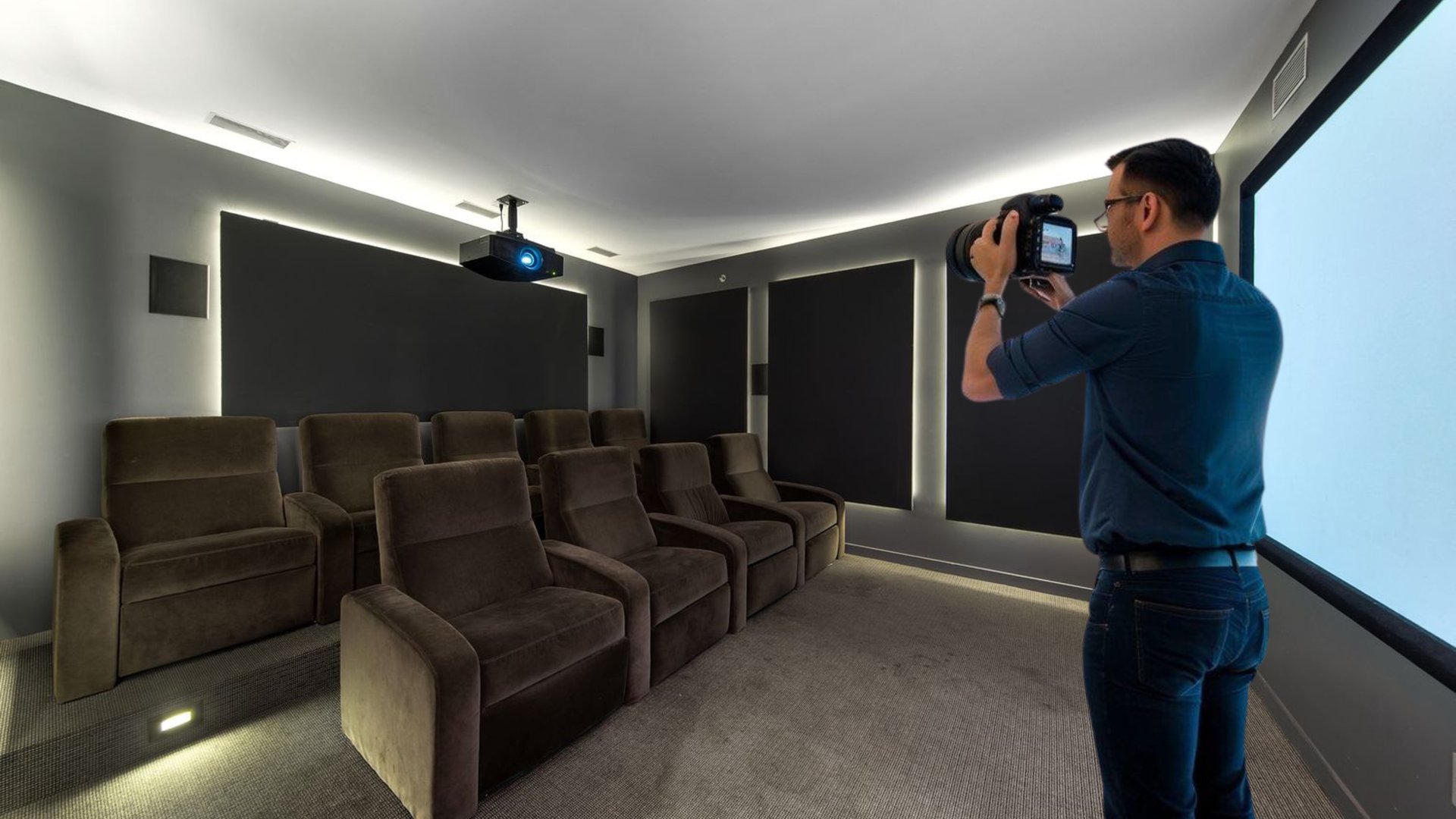
A competitive asking price cannot fully compensate for poor presentation.
Likewise, exceptional photography cannot consistently overcome unsupported pricing.
Luxury sellers should align both elements.
A well-executed marketing plan may include:
Professional photography
Cinematic property video
Drone photography
Architectural storytelling
Thoughtful staging
Landscape preparation
Detailed property descriptions
Targeted digital marketing
Private buyer outreach
Professional agent networking
Presentation should help buyers understand the property's value.
For example, a River Hills estate should communicate privacy and land.
A Whitefish Bay home should highlight architecture and neighborhood lifestyle.
A downtown luxury condominium should emphasize views, convenience, and building amenities.
The price should reinforce the story.
The Sewart Group's Bayside luxury market update highlights how staging, professional photography, and correct pricing influence luxury buyer response.
The strongest property presentations create a consistent impression.
The home feels exceptional.
The features feel valuable.
And the asking price feels credible.
14. Negotiation Begins With the Asking Price

Many sellers think negotiation begins when an offer arrives.
In reality, the process starts earlier.
The asking price shapes how buyers approach the transaction.
A property priced substantially above market expectations may encourage aggressive discounts.
A competitively positioned property may generate more serious conversations.
An exceptionally rare home with well-supported pricing may attract buyers who recognize limited alternatives.
But no pricing strategy guarantees multiple offers or a particular final sale price.
Negotiation depends on:
Buyer interest
Competing inventory
Financing or proof of funds
Property condition
Inspection findings
Closing timeline
Seller flexibility
Market conditions
The ideal pricing strategy creates a strong foundation for negotiation without relying on unrealistic assumptions.
For luxury sellers, that foundation can make the difference between negotiating confidently and repeatedly defending an unsupported price.
15. A Practical Luxury Home Pricing Checklist

Before selecting an asking price, sellers should work through the following questions.
This framework helps sellers move beyond guessing.
A successful luxury home pricing strategy should be deliberate, evidence-based, and flexible enough to respond to meaningful market feedback.
Why Local Luxury Expertise Matters
Pricing a luxury home requires more than entering an address into an automated valuation tool.
Automated estimates may not fully capture the value of unusual architecture, rare land, privacy, views, custom construction, or extensive renovations.
A skilled local advisor can evaluate:
Comparable sales
Active competing listings
Pending sales, where available
Property-specific features
Neighborhood demand
Market trends
Buyer expectations
Presentation quality
Marketing strategy
Seller priorities
The Sewart Group combines knowledge of Greater Milwaukee's luxury neighborhoods with strategic marketing and personalized guidance.
For sellers, the goal is to position a home where serious buyers recognize its value.
That may mean recommending a price lower than the seller originally hoped.
Or supporting a meaningful premium when a property's scarcity and quality justify it.
In either case, the recommendation should be supported by evidence.
Not simply by the desire to win a listing or generate attention.
Frequently Asked Questions
What is a luxury home pricing strategy?
A luxury home pricing strategy is a property-specific approach to determining an asking price based on comparable sales, market conditions, buyer psychology, property scarcity, condition, location, and seller goals.
Why is pricing a luxury home more difficult?
Luxury homes often have fewer direct comparable sales and more unique characteristics. Architecture, privacy, acreage, views, renovations, and lifestyle amenities may all influence value.
Should I price my luxury home above market value to leave room for negotiation?
Not automatically. Starting significantly above market-supported value can discourage qualified buyers, increase time on market, and lead to later price reductions. Any premium should be justified by the property's characteristics and market conditions.
Does pricing just below a major threshold attract more buyers?
It can affect visibility in searches with price limits. However, the appropriate asking price should be determined by market value and buyer behavior, not simply by using a number ending in $995,000 or $999,000.
What happens when a luxury home stays on the market too long?
Longer marketing time may cause buyers to question the asking price or property condition. However, some distinctive luxury properties naturally require more time because their buyer pools are smaller.
Can private marketing help determine the right luxury listing price?
Eligible private or pre-market marketing may provide early buyer feedback, but it can also limit exposure. It should be considered as part of a broader strategy rather than a guarantee of stronger pricing.
Final Thoughts
The psychology behind pricing a luxury home correctly is both simple and complex.
Buyers want to feel confident.
They want to recognize value.
They want to understand what makes a property exceptional.
And they want the asking price to make sense within the available market.
For sellers, the challenge is balancing personal attachment, property uniqueness, financial goals, and actual buyer demand.
Overpricing can weaken momentum.
Underpricing without a clear strategy can sacrifice value.
Repeated reductions can affect buyer perception.
But thoughtful pricing, strong presentation, and targeted marketing can position a property for meaningful interest from qualified buyers.
In Greater Milwaukee, these decisions are especially important because luxury properties are highly individual.
A Mequon estate is not priced like a Whitefish Bay historic home.
A River Hills property is not valued in the same way as a downtown penthouse.
A Lake Michigan residence may deserve a premium that simply cannot be captured by square footage alone.
The strongest luxury home pricing strategy begins with understanding the property, the neighborhood, and the buyer.
It is supported by local market knowledge.
It is reinforced through presentation.
And it is executed through a disciplined marketing and negotiation plan.
The Sewart Group helps luxury homeowners navigate these decisions with discretion, thoughtful pricing analysis, and a deep understanding of Greater Milwaukee's high-end real estate market.
Whether you are preparing to sell a private estate, waterfront property, historic residence, or luxury condominium, the right pricing conversation can help protect your position and move you toward a successful sale.
__
Sewart Group
Milwaukee Real Estate (and beyond)
Ranked top 1.5% of agents nationwide
☎️ 414-526-0754